|
||||||||||||||||||||||||||
 |
 |
|||||||||||||||||||||||||
|
|

|
||||||||||||||||||||||||
|
|
|
|||||||||||||||||||||||
| 托马斯·阿尔瓦·爱迪生(Thomas Alva Edison,1847—1931) | ||||||||||||||||||||||||
| 【交响乐】卡拉扬 柏林爱乐 贝多芬第五交响曲(1972) | ||||||||||||||||||||||||
| Symphony No. 5 karajan Philharmonic Beethoven (1972) | ||||||||||||||||||||||||
|
|
||||||||||||||||||||||||
|
音乐历史上的今天
1877年8月12日,30岁的托马斯.埃尔瓦.爱迪生(Thomas Alva
Edison,1847——1931)草拟出一个圆柱体和一根摇柄的图纸,并给他最好的机械师写了张纸条:“克鲁西,做这个。”后来他对着成品装置喊道:“玛丽有只小羊羔,”这时留声机诞生了。“我一辈子从未如此吃惊过。”他回忆着装着摇柄的圆筒录下自己声音的那一刻。 |
|
|||||||||||||||||||||||
 |
||||||||||||||||||||||||
| 托马斯·阿尔瓦·爱迪生(Thomas Alva Edison) | ||||||||||||||||||||||||
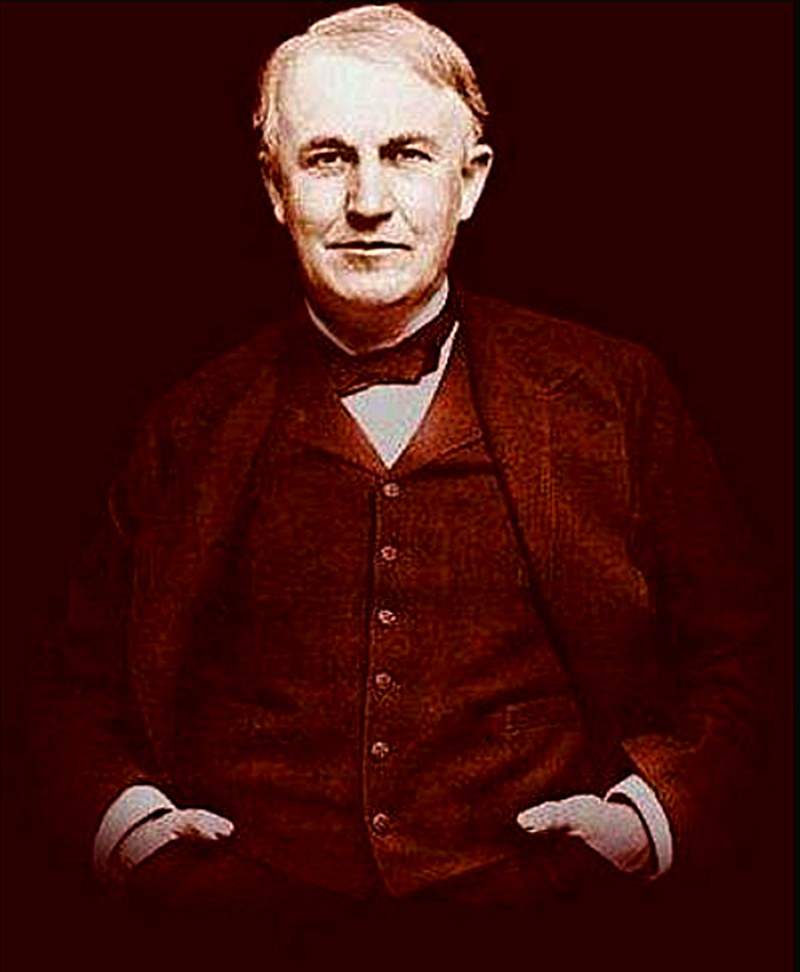
| 托马斯·阿尔瓦·爱迪生是美国发明家和商人,被称为美国最伟大的发明家。他在发电、大众传播、录音和电影等领域开发了许多设备。这些发明,包括留声机、电影摄影机和早期版本的电灯泡,对现代工业化世界产生了广泛的影响。他是第一批将有组织的科学和团队合作的原则应用到发明过程中的发明家之一,与许多研究人员和雇员一起工作。他建立了第一个工业研究实验室。 | ||||||||||||||||||||||||
| Thomas Alva Edison was an American inventor and businessman who has been described as America's greatest inventor. He developed many devices in fields such as electric power generation, mass communication, sound recording, and motion pictures. These inventions, which include the phonograph, the motion picture camera, and early versions of the electric light bulb, have had a widespread impact on the modern industrialized world. He was one of the first inventors to apply the principles of organized science and teamwork to the process of invention, working with many researchers and employees. He established the first industrial research laboratory. | ||||||||||||||||||||||||
 |
||||||||||||||||||||||||
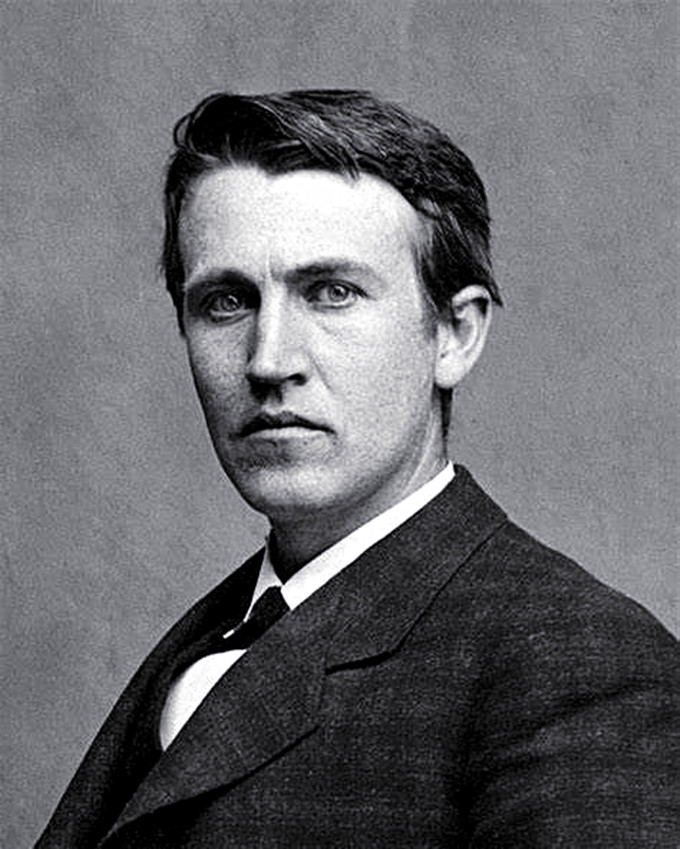
| 年轻的托马斯·阿尔瓦·爱迪生(Thomas Alva Edison) | ||||||||||||||||||||||||
 |
||||||||||||||||||||||||
|
|
||||||||||||||||||||||||
|
Today in the
history of music On August 12, 1877, Thomas Alva Edison (1847 -- 1931), at the age of 30, drew up plans for a cylinder and a crank and wrote a note to his best mechanic: "Clusie, do this."Then he shouted into the finished device, "Mary had a little lamb," and the phonograph was born."I've never been so surprised in my life."He recalls the moment he recorded his voice on a cylinder with a crank handle. The phonograph was born in 1877.The man who invented the phonograph was Thomas Alva Edison (February 11, 1847 -- October 18, 1931), the king of invention renowned throughout the world.Edison got a lot of inspiration from his experiments with short needles, based on the phenomenon that the membrane plates in the telephone transmitter vibrate when the voice is spoken.The speed and slowness of speech make the short needle vibrate accordingly.Then, in turn, the tremor must produce the original sound.So he began to study the problem of sound reproduction. On August 15, 1877, Thomas Alva Edison asked his assistant, Cressey, to design a strange machine consisting of a large cylinder, a crank, a receiver, and membrane plates."This is a talking machine," Thomas Alva Edison said to his assistant, pointing at the strange machine. He took a piece of tin foil, rolled it around a metal cylinder with a spiral groove on it, and made the needle rotate by gently rubbing the foil on one end and connecting it to a receiver on the other.Thomas Alva Edison cranked a crank and sang to the receiver, "Mary had a little lamb with a ball of snow like fur...".After singing, put the needle back in its place and gently shake the crank again.Then, as the machine moved slowly round and round, it sang "Mary had a little lamb...""Just like Thomas Alva Edison sang.The assistants at one side were too surprised to speak when they came across a talking machine. The birth of the "talking machine" caused a stir all over the world.When Thomas Alva Edison performed the phonograph in December 1877, the public immediately hailed him as "The Napoleon Bonaparte of science," one of the three most exciting inventions of the 19th century. The phonograph, designed by American Thomas Alba Edison in 1877, was the world's first recording device. On December 6 of the same year, Edison's assistant, mechanic John Clusie, produced the first prototype and used it to record The song "Mary's Goat." However, it was a happy accident that made Edison's famous invention possible.Once, alone in his quiet laboratory, Edison worked on improving a telegraph machine that printed symbols on paper tape.Then a monotonous sound in the telegraph attracted him.In trying to make this sound, Edison discovered, to his surprise, that it was the sound of paper tape under the pressure of a small shaft.As the pressure on the small axis changes, the pitch height changes (this is how music boxes sound).This led him to the idea of recording and retrieving sound using channels at different depths on a moving vehicle. Similarly, on another test of the telephone, Edison discovered that the diaphragm in the transmitter vibrated with the sound of the voice.He found a needle, set the board upright, put his hand gently on the top, and spoke to the board.Experiments show that the higher the sound, the faster the vibration;If the sound is low, the vibration is slow.This discovery laid the foundation for the invention of the phonograph. The main part of the phonograph, a metal cylinder with spiral grooves on its sides, was pressed onto a long shaft. At one end of the cylinder was a crank. When the crank was shaken, the cylinder turned accordingly.In addition, there are two metal tubules with a film plate with a blunt point in the center at one end.After numerous modifications, the world's first phonograph was born."I said a word out loud and the machine played back my voice," Edison recalled.I've never been so surprised in my life." When Edison first invented the phonograph, he changed it again and again.Ten years later, he took the phonograph down from the dust on the shelf and went on to improve it. He patented more than a hundred inventions on the phonograph alone.He was deaf (one ear) and it was amazing that he could invent such a sounding machine.When we see today's phonograph, do not forget that it is permeated with Edison's countless hard work.In fact, in more than a century, the phonograph set off a wave of civilization and invention is very far-reaching influence, record player, tape recorder, tape recorder, laser sound and image machine......Come out one after another, trace its source, are not all from Edison's great inventions? Today's video:1. Karajan Berlin Philharmonic Beethoven's Fifth Symphony (1972);2. The restoration scene of Edison's invention of the phonograph (from the film Great Edison in 1940);3, My origin with the phonograph - phonograph Collection exhibition;4. Documentary.PBS. The American Journey. Edison. (2015). |
 |
|||||||||||||||||||||||
|
|
||||||||||||||||||||||||
 |
||||||||||||||||||||||||
|
||||||||||||||||||||||||
| Kirsten Flagstad has always been a very successful valkyries figure in Wagner's operas. | ||||||||||||||||||||||||
 |
||||||||||||||||||||||||
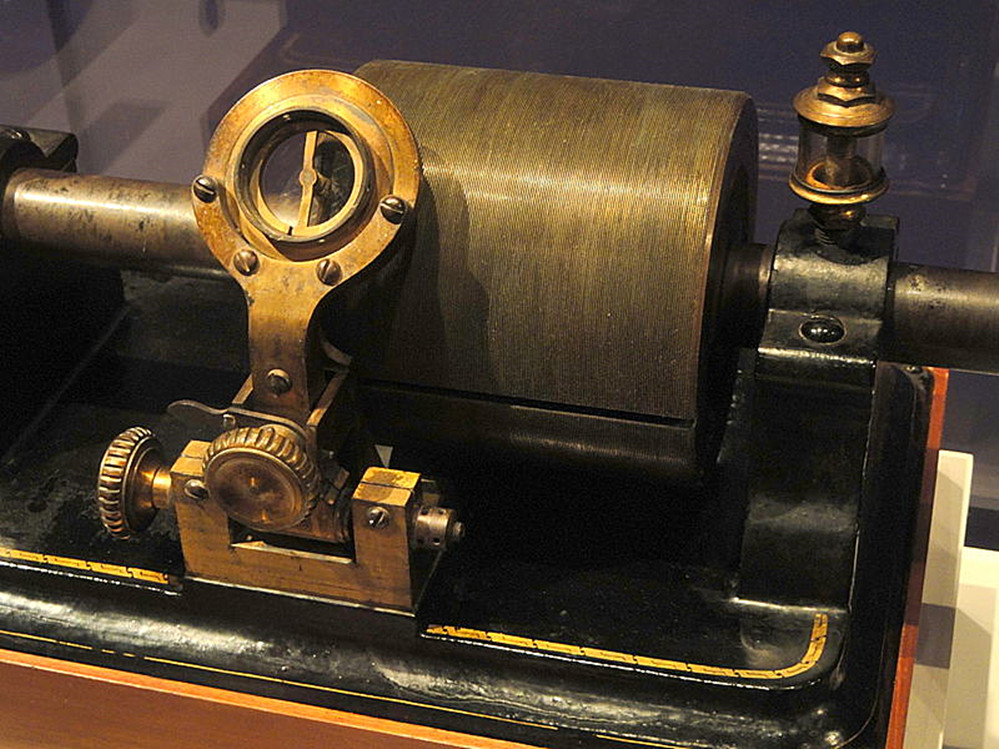
| 托马斯·阿尔瓦·爱迪生(Thomas Alva Edison)发明的留声机原型 ,展览于美国华盛顿特区美国国家历史博物馆。这件物品属于公有领域,因为它是国家博物馆的财产。博物馆内允许摄影,不受限制。 | ||||||||||||||||||||||||
| Exhibit in the National Museum of American History, Washington, DC, USA. This item is in the public domain because it is property of the national museum. Photography was permitted in the museum without restriction. | ||||||||||||||||||||||||
|
托马斯·阿尔瓦·爱迪生出生于美国俄亥俄州米兰镇,逝世于美国新泽西州西奥兰治。发明家、企业家。
爱迪生是人类历史上第一个利用大量生产原则和电气工程研究的实验室来进行从事发明专利而对世界产生深远影响的人。他发明的留声机、电影摄影机和改进的电灯对世界有极大影响。他一生的发明共有两千多项,拥有专利一千多项。 1931年10月18日凌晨3点24分,在美国新泽西西奥兰治的家中逝世,享年84岁。爱迪生被美国的权威期刊《大西洋月刊》评为影响美国的100位人物第9名。 爱迪生是技术历史中著名的天才之一,拥有超过2000项发明,其中爱迪生的四大发明:留声机、电灯、电力系统和有声电影,丰富和改善了人类的文明生活。在美国,爱迪生名下拥有1093项专利,而他在美国、英国、法国和德国等地的专利数累计超过1500项。 留声机出世 1877年,爱迪生改进了早期由亚历山大·贝尔发明的电话机,并使之投入了实际使用,不久便开办了电话公司。爱迪生和贝尔两家敌对的公司在伦敦展开了激烈的竞争。而在改良电话机的过程中,发现传话筒里的膜板,随话声而震动,他找了一根针,竖立在膜板上,用手轻轻按着上端,然后对膜板讲话,声音的快慢高低,能使短针相应产生不同变化的颤动,爱迪生为此画出草图让助手制作出机器,再经过多次改造,第一台留声机诞生了。 |
||||||||||||||||||||||||
 |
||||||||||||||||||||||||
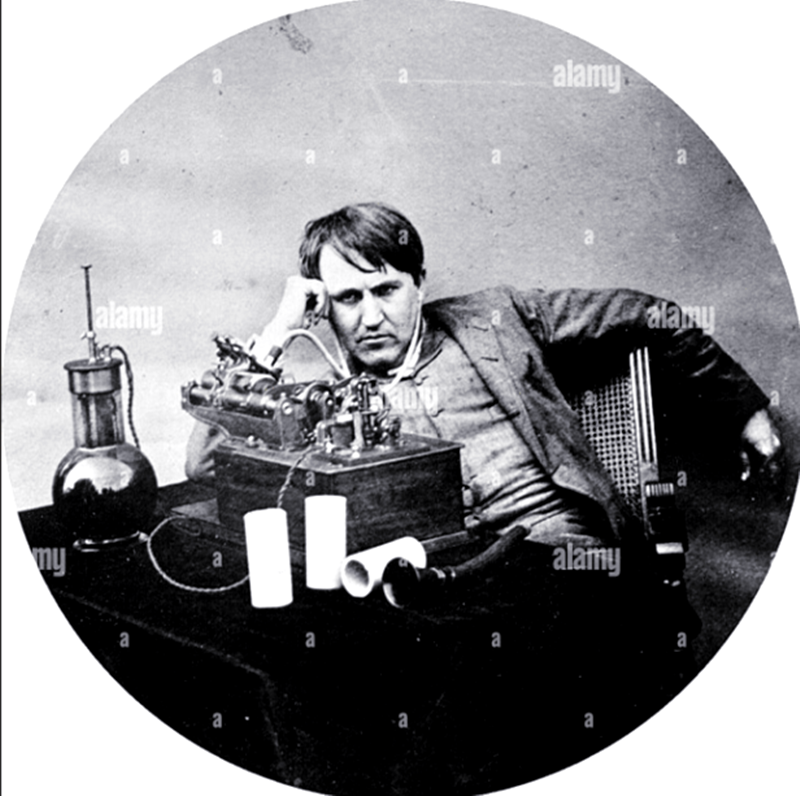
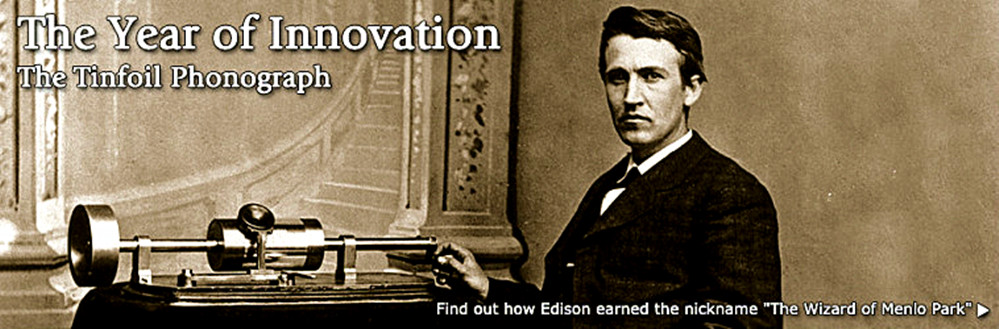
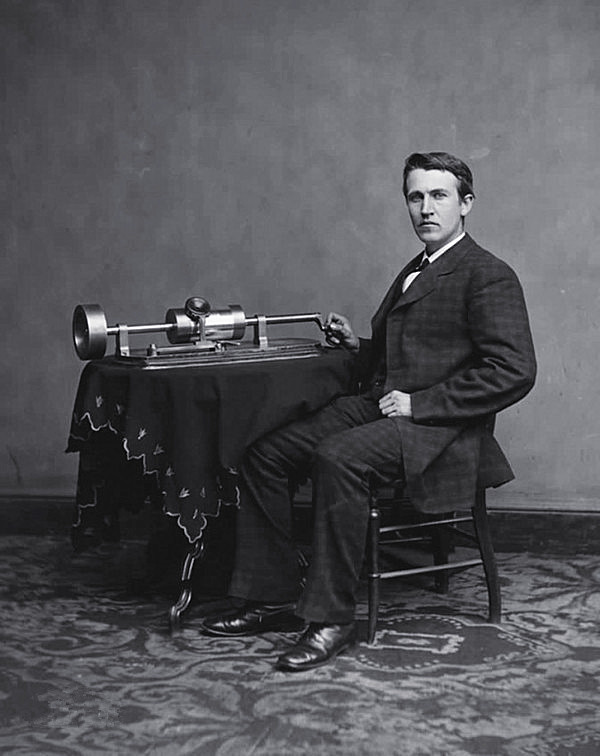
| 托马斯·阿尔瓦·爱迪生(Thomas Alva Edison)和他发明的留声机合影 | ||||||||||||||||||||||||
|
The
summer season in getting close, but as we know this
season will be quite different. We are so thankful
for all of you that do your part by staying at home
and for all the people that do so much to keep
things going. We thought we would liven up our feed with some interesting photos and stories as a little count down to the 125th anniversary celebration on July 12th! 🥳 Lets start with some portraits of Kirsten Flagstad! This first one can be seen at The Metropolitan Opera in New York! It would be interesting to know how many of you have seen this painting in person. |
||||||||||||||||||||||||
 |
||||||||||||||||||||||||
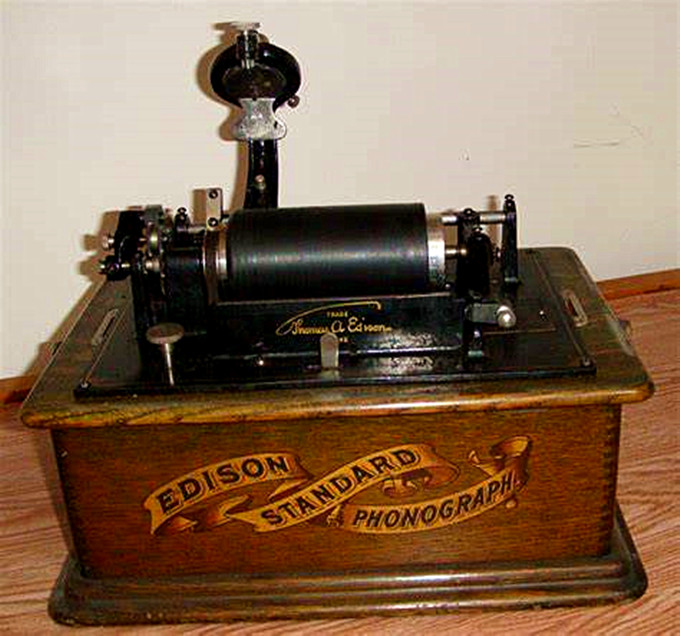
| 托马斯·阿尔瓦·爱迪生(Thomas Alva Edison)留声机完善后的原型 | ||||||||||||||||||||||||
| The completed prototype of Thomas Alva Edison's phonograph | ||||||||||||||||||||||||
 |
||||||||||||||||||||||||
|
|
||||||||||||||||||||||||
 |
||||||||||||||||||||||||
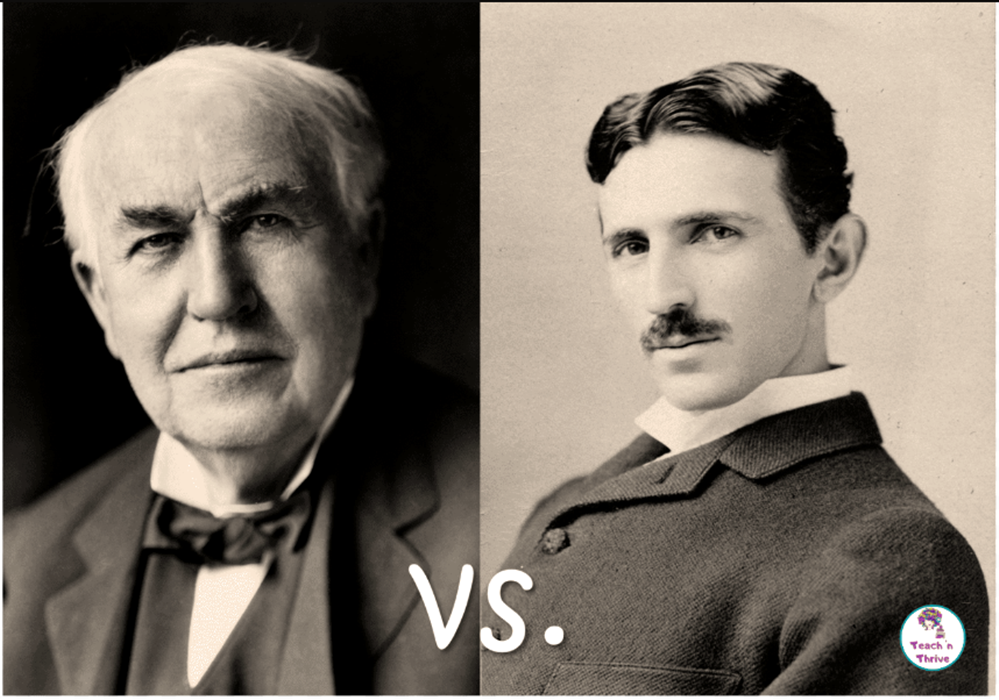
| 爱迪生与特斯拉的故事 | ||||||||||||||||||||||||
|
爱迪生与特斯拉的故事,是科技史上最引人入胜、也最令人唏嘘的篇章之一。这不仅是一场关于电流的技术路线之争,更是两种截然不同的天才性格、商业理念与时代命运的激烈碰撞。 这段故事大致可以分为四个阶段: 一、 伯乐与千里马:短暂的相遇与决裂 1884年,28岁的特斯拉带着前雇主的推荐信来到纽约,见到了当时如日中天的“发明大王”爱迪生。推荐信上写着:“我知道有两个伟大的人,一个是你,另一个就是这个年轻人。”爱迪生被特斯拉的才华打动,将他招致麾下。 特斯拉迅速展现出惊人的天赋,成功为爱迪生改进了直流发电机。当特斯拉向爱迪生索要事先承诺的5万美元奖金时,爱迪生却拒绝支付,并戏称这只是一个“美国式的玩笑”。随后,特斯拉要求将每周18美元的薪水涨到25美元,再次遭到拒绝。心灰意冷的特斯拉愤而辞职,两人从此走向对立。 二、 电流大战:直流与交流的世纪博弈 离开爱迪生后,特斯拉在1888年发明了实用的交流感应电动机,并与企业家乔治·威斯汀豪斯(西屋公司创始人)结盟,开始推广交流电系统。交流电能够利用变压器升压进行远距离、低损耗输电,这直接威胁到了爱迪生建立的直流电商业帝国。 为了维护自身利益,爱迪生发动了著名的“电流大战”,对特斯拉的交流电展开了疯狂的抹黑: 制造恐慌:爱迪生雇佣小学生捕捉流浪猫狗,并在记者面前用交流电将其残忍电死,甚至用交流电电死了一匹马,以此向公众证明交流电是致命的“死亡电流”。 政治游说:爱迪生甚至游说政府,将死刑由绞刑改为交流电电刑,试图将交流电与死亡深度绑定。 面对打压,特斯拉选择了用事实说话。在1893年的芝加哥哥伦布纪念博览会上,特斯拉用交流电点亮了16万盏白炽灯,完美展示了交流电的安全与高效。最终,交流电凭借其在远距离输电上的绝对优势赢得了“电流大战”,奠定了现代电力网络的基础。 三、 专利之争:资本对天才的围剿 在无线电领域,两人再次交锋。特斯拉早在1893年就展示了无线电通信的基本原理,并于1897年申请了无线电调谐专利。然而,马可尼在1896年发表了与特斯拉极其相似的报告。 此时,爱迪生成为了马可尼背后的经济后盾。为了报复特斯拉并避免支付巨额专利费,爱迪生伙同马可尼多次游说美国专利局。1904年,美国专利局在没有明确理由的情况下,撤销了特斯拉的无线电专利,转而批准了马可尼的申请。这让正在全力研发跨大西洋无线电能传输项目的特斯拉雪上加霜,最终导致他破产。 四、 截然不同的结局:巨商与穷神 “电流大战”后,特斯拉本可以凭借交流电的专利成为世界上最富有的人。但他为了让交流电技术普及,选择放弃专利,将其无偿贡献给全人类。他将毕生精力投入到超越时代的科学幻想中,却因缺乏商业头脑而晚年穷困潦倒,最终于1943年在纽约的一家酒店里孤独离世。 相比之下,爱迪生凭借出色的商业运作和系统组织能力,建立了庞大的商业帝国,成为工业时代的巨商,名利双收。 历史的回响 爱迪生与特斯拉的恩怨,本质上是“务实的商业企业家”与“纯粹的理想主义发明家”的碰撞。爱迪生用系统思维推动了技术的早期商业化,而特斯拉则用超越时代的想象力为人类打开了电气时代的大门。 今天,当我们打开家中的灯,电网中流动的是特斯拉的交流电;而当我们给手机充电时,电源适配器又将交流电转换为电子设备所需的直流电。两位巨匠的争斗早已沉入历史,但他们留下的智慧,正以合作的方式共同支撑着现代文明的运转。 |
||||||||||||||||||||||||
 |
||||||||||||||||||||||||
|
真正的较量:爱迪生 vs. 特斯拉 这场竞争很快远不止两位发明家彼此不快那么简单,而是演变成了一场关于电力本身如何运作的激烈斗争。 爱迪生推崇直流电(DC),而特斯拉则认为交流电(AC)才是未来。当时,这不仅是一场科学上的分歧,更是一场耗资数百万美元的金融战争。谁胜出,谁就能主导整个城市的电气基础设施建设。 如今,科罗拉多斯普林斯市所有家庭所使用的电力,依然依赖着特斯拉曾竭力推广的交流电系统。 THE REAL FIGHT: AC VS. DC The rivalry quickly became much bigger than two inventors simply disliking each other. It turned into a battle over how electricity itself should work. Edison promoted direct current (DC) electricity, while Tesla believed alternating current (AC) was the future. At the time, this was not just a scientific disagreement — it was a financial war worth millions of dollars. Whoever won would help shape the future electrical infrastructure of entire cities. Today, the electricity powering homes throughout Colorado Springs still relies on the same AC system Tesla fought to promote. 特斯拉才华横溢,却也极为古怪。 特斯拉无疑极具天赋,但他也有许多怪癖,这些特质或许正是他如今在互联网上走红的原因。据说他完全凭想象构思发明,连续数日不眠不休地工作,能背诵整本书籍,并精通多种语言。 但随着时间推移,他也养成了一些极其奇特的习惯和执念。特斯拉对数字3着迷,极度讲究清洁,避免身体接触,拥有复杂的饮食仪式,而最著名的或许是……鸽子。一些传闻称,特斯拉晚年对鸽子产生了情感依恋,经常在纽约市的公园里喂养它们。 与此同时,爱迪生则不像特斯拉那样神秘,更像一位不知疲倦的企业家。他积极保护自己的发明,激烈竞争,并组建了庞大的发明团队。从许多方面来看,爱迪生堪称终极工业企业家,而特斯拉则成了那个被误解的经典发明家。 |
||||||||||||||||||||||||
| 爱迪生发明留声机的还原场景(1940年电影《伟人爱迪生》片段) | ||||||||||||||||||||||||
| A scene from Edison's invention of the phonograph (from the Great Edison 1940) | ||||||||||||||||||||||||
| 探访美国上市公司老总的庄园及古董收藏(留声机,八音盒,自动演奏的乐器,火车) | ||||||||||||||||||||||||
|
这个庄园是私宅,平时不对外开放,因此平日这些收藏都难得一见。光是留声机就收藏五百余台,此外还有自动演奏的钢琴,管风琴,蒸汽火车。光是主人的香水瓶子收藏就摆放了六个展厅,其中一个展厅更是直接原封不动的把波士顿一家香水店所有的装潢买下并在宅子里复原。 |
||||||||||||||||||||||||
| Visiting the estate and antique collection of the CEO of an American listed company (phonographs, music boxes, automatic playing instruments, trains) This estate is a private residence and is not open to the public, so these collections are rarely seen on a daily basis. Just the phonographs alone are over 500 pieces. Besides, there are also automatic playing pianos, pipe organs, and steam trains. The collection of the owner's perfume bottles alone occupies six exhibition halls, and one of the halls even directly purchased all the decorations from a perfume store in Boston and restored them in the mansion. | ||||||||||||||||||||||||
|
|
||||||||||||||||||||||||
纪录片.PBS.美国历程.爱迪生.2015[片头][高清][英字] |
||||||||||||||||||||||||
|
托马斯·阿尔瓦·爱迪生(英语:Thomas Alva
Edison,1847年2月11日-1931年10月18日),美国科学家、发明家、企业家,拥有众多重要的发明专利,被传媒授予“门洛帕克的奇才”称号的他,是世界上第一个使用大量生产原则和其工业研究实验室来进行发明创造的人。 他发明了很多东西,包括:对世界极大影响的留声机、电灯、活动电影摄影机、直流电力系统等最为人知。在美国,爱迪生名下拥有1093项专利,而他在美国、英国、法国和德国等地的专利数累计超过150项。 |
||||||||||||||||||||||||
|
Thomas
Alva Edison (English: Thomas Alva Edison, February
11, 1847 - on October 18, 1931), American
scientists, inventors, and entrepreneurs, have many
important invention patents, was awarded the title
of "the wizard of menlo park" the media, he is the
world's first use of a large number of production
principle and its industrial research laboratory for
inventions. |
||||||||||||||||||||||||
|
|
||||||||||||||||||||||||
| 未得原作者编者授权严禁转载www.mt77.com任何内容 | ||||||||||||||||||||||||



|
|
|
||||||
|
copyright © 2003-2005 xilu.com all rights reserved. |
||||||
|
|
||||||

