|
||||||||||||||||||||||||||
 |
 |
|||||||||||||||||||||||||
|
|

|
|||||||||||||||||
|
|
|
||||||||||||||||
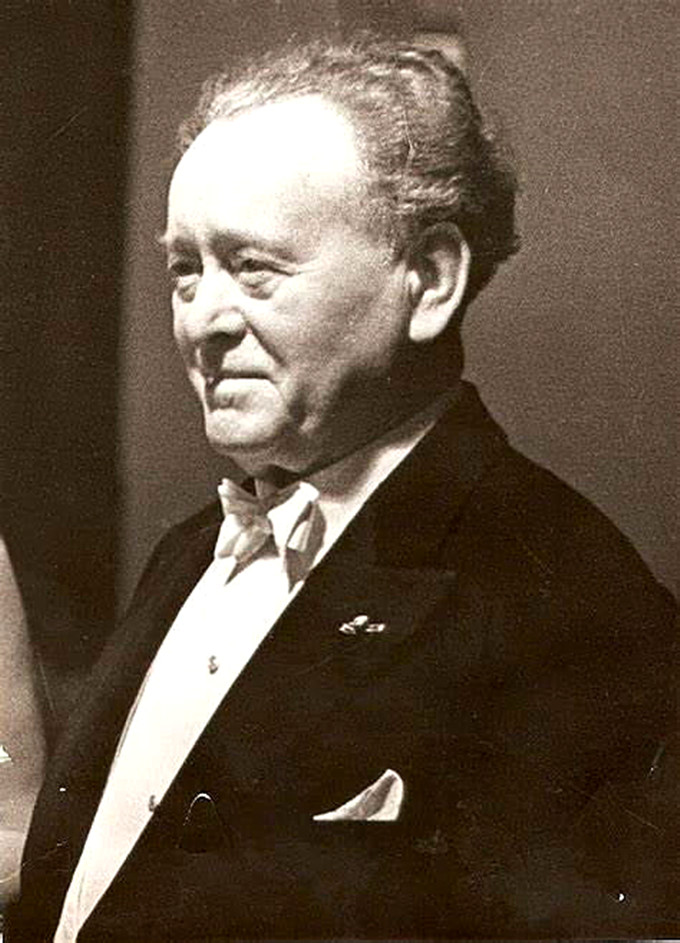
| 威廉·门盖尔贝格(Willem Mengelberg 1871-1950) | |||||||||||||||||
| 门盖尔贝格指挥柴可夫斯基第五交响曲1943,布达佩斯 | |||||||||||||||||
| Willem Mengelberg conducts P.I. Tchaikovsky Symphony No.5 I.1943, Budapest | |||||||||||||||||
|
|
|||||||||||||||||
|
音乐历史上的今天 1950年3月22日,80岁的指挥家门盖尔贝格(Willem Mengelberg )死于瑞士,他曾任阿姆斯特丹音乐厅管弦乐团指挥达半个世纪之久,但由于在二战期间同纳粹侵略者进行文化合作,他被终身禁止涉足荷兰音乐界。
门盖尔贝格(Willem Mengelberg
1871-1950),1871年3月28日,生于荷兰乌得勒支。他是一位富有浪漫主义传统的交响乐指挥,在他为阿姆斯特丹格布管弦乐团(Amsterdam
Concertgebouw Orchestra, 1895-1945年)工作期间,将其发展成为世界上最好的管弦乐队之一。 |
|
||||||||||||||||
 |
|||||||||||||||||
| 门盖尔贝格(Willem Mengelberg )年轻的时候 | |||||||||||||||||
| young time of Mengelberg | |||||||||||||||||
 |
|||||||||||||||||
| 门盖尔贝格的家乡乌得勒支一座教堂广场上的市民们 ——19世纪荷兰著名画家科内利斯·斯普林格 | |||||||||||||||||
|
The citizens of
Utrecht, the hometown of Mengerberg, on a church square — Cornelis Sprink, a famous Dutch painter of the 19th century |
|||||||||||||||||
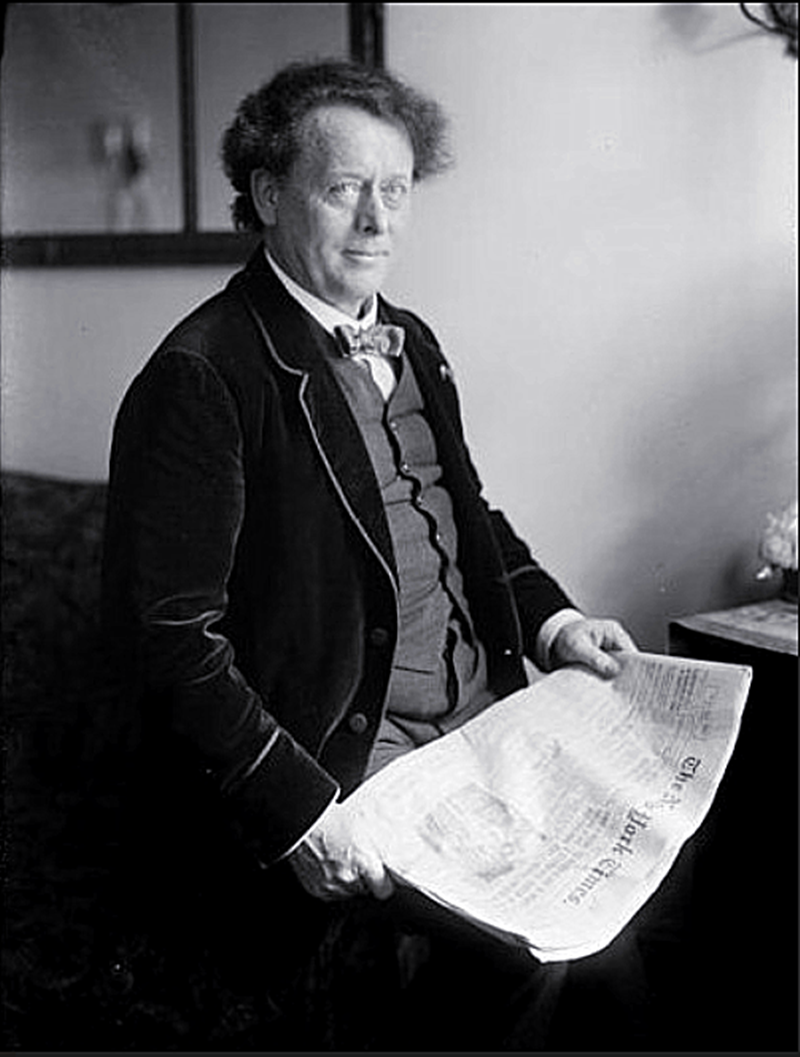 |
|||||||||||||||||
| 门盖尔贝格于 1921 年至 1930 年期间在纽约担任指挥 | |||||||||||||||||
| Mengegelberg served as the conductor in New York from 1921 to 1930. | |||||||||||||||||
 |
|||||||||||||||||
|
1913
年,上述图片的单页版刊登在一家荷兰杂志上。这幅画是特蕾泽·施瓦茨泰(1851 -
1918)为威廉·门克尔伯格所作,画中人物约四十岁,充满激情与威严。该画由韦格纳和莫图绘制。 由阿姆斯特丹画家扬·维勒米森提交的原始杂志页面扫描件——由 R.A.B. 进行修复。 |
|||||||||||||||||
|
A one page version of
the above image appeared in a Dutch magazine in 1913. It is of
the painting made by Thérèse Schwartze (1851-1918) of Willem
Mengelberg aged around fourty, expressing passion and
prominence. Original photograph made by Wegner and Mottu. Scan of the original magazine page submitted by Jan Willemsen, painter in Amsterdan - restored by R.A.B. |
|||||||||||||||||
| 鲁宾·戈德马克对门盖尔贝格的评价 | |||||||||||||||||
|
门盖尔贝格于 1921 年至 1930
年期间在纽约担任指挥。他先是担任国家交响乐团的指挥,从 1922 年起又担任纽约爱乐乐团的指挥(这两支乐团在之后合并)。1925
年 12 月 26 日,威廉·梅肯伯格在由“纽约波西米亚音乐家俱乐部”组织的晚宴上受到了表彰。美国作曲家鲁宾·戈德马克(1872
- 1936)在表彰致辞中说道: (门盖尔贝格的)品味广泛多样,他的艺术取向也很宽泛。他的演奏曲目涵盖了从巴赫到斯特拉文斯基的作品——乃至更广泛的内容。在他的祖国,尤其是他从不犹豫去探索那些超越常规的东西——正如尼采所说。但容我向在座的各位杰出的评论家们先致歉,如果我侵犯了他们的权限的话。不过我要告诉你们的是,有一次他有了新的领悟,而对我来说,这位最伟大的梅尔伯格就这样被揭示和展现了出来。这纯属个人经历,我事先向在座的各位尊敬的评论家们致歉,如果我擅自侵犯了他们的权利的话。但对我来说,那个时刻是他表现得最为出色的时候——不是在那轰动人心(激动人心)的著名前奏曲演奏中,不是在他钟爱的马勒交响曲中,也不是在对勃拉姆斯的 C 小调交响曲的具有历史意义的演绎中——我对那部作品的每一个细节都记忆犹新——而是有一个夜晚,我听到了那微弱而轻柔的声音,我坐在一场漫长的演出中,大部分时候是安静而严肃的,以深沉的音调进行——然而却有着难以言喻的美,乐队规模缩减,甚至没有小号或长号(实际上他演奏的并非一部管弦乐作品),那是他像宗教仪式般指挥的时候。巴赫的不朽《马太受难曲》——那是我印象中最深刻的一次聆听,演出结束后他对我说的话至今仍让我记忆犹新,他的声音饱含着情感,充满活力:“这是有史以来最美妙的音乐”——“这是有史以来创作出的最动听的音乐”——我知道有一位大师正恭敬地站在我们艺术领域的巅峰面前,他深知自己最大的职责就是忠实诠释这位大师的作品。——鲁宾·戈德马克,1925年 |
|||||||||||||||||
| Rubin Goldmark's evaluation of Mendegaberg | |||||||||||||||||
|
Mengelberg
was conductor in New York from 1921 till 1930. First of the
National Symphony Orchestra and from 1922 on of the New York
Philharmonic Society (after these two orchestras had merged). On
December 26, 1925, Willem Mengelberg was honored during a Dinner
organized by "The Bohemians, New York Musicians' Club". American
composer Rubin Goldmark (1872-1936) said in his honoring speech: "(Mengelberg's) tastes are catholic and his artistic sympathies are wide. His programs range from Bach to Strawinsky - and beyond. In his own country, particularly he does not hesitate to go behind the beyond - as Nietzsche would say. But let me tell you of the one occasion, when he joined a new insight and when to me the greatest Mengelberg of all was revealed and disclosed. This is purely personal, and I apologize beforehand to any of the distinguished critics here present, if I am trespassing on their prerogatives. But the time that M. loomed to me at his biggest - no it was not in a crashing (stirring) rendering of his famous Preludes, - it was not in the Mahler symphonies he loves so much, it was not even in a historic rendering of the Brahms C minor Symphony - of which I remember every detail - it was one night when I heard the still small voice, when I sat through a long performance, that was mostly quiet, serious, in dark tones - yet of ineffable beauty, with a reduced orchestra, that did not even contain horns or trombones (in fact it wasn't an orchestral work at all that he was rendering), it was when I heard him conduct, like a religious service, the immortal St. Matthew's Passion of Bach - that is where M. was at his biggest for me and when he said to me right after the performance, his voice still vibrant with emotion: "Diese ist die schönste Musik, die jeh geschrieben wurde" - This is the most beautiful music that was ever written -, I knew that there was a master who stood bowed in reverence before the greatest in our art, and who felt his greatest function in being his faithful interpreter." ——Rubin Goldmark, 1925 |
|||||||||||||||||
 |
|||||||||||||||||
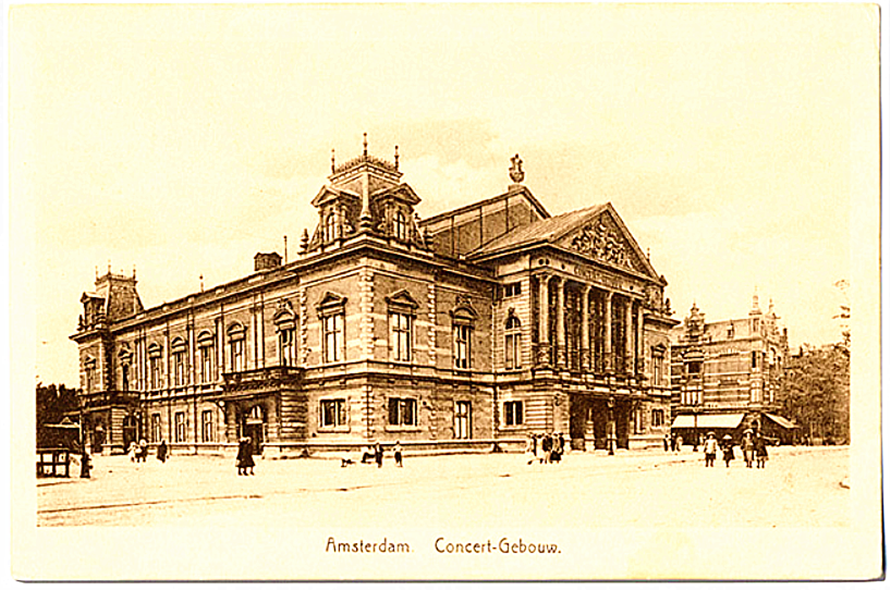
| 阿姆斯特丹皇家音乐厅(Concertgebouw, Netherlands):与维也纳金色大厅、波士顿交响厅并称“世界三大音乐厅”,声学设计精妙,观众超80万人次/年 | |||||||||||||||||
| Amsterdam Royal Concert Hall (Concertgebouw, Netherlands): Alongside the Vienna Musikverein and the Boston Symphony Hall, it is known as one of the "world's three premier concert halls". Its acoustics are superb, and it hosts over 800,000 visitors annually. | |||||||||||||||||
 |
|||||||||||||||||
|
这是阿姆斯特丹音乐厅的照片,拍摄于威廉·门盖尔伯贝格在纽约备受尊敬的指挥家时期。 这张原始明信片出自上世纪二十年代末。明信片 - 出版方:阿姆斯特丹-代尔夫特市“贝金科夫”杂志公司。 |
|||||||||||||||||
|
The Concertgebouw of
Amsterdam at the time when Willem Mengelberg was a revered
conductor in New York. Original Postcard from the late nineteen twenties. Ansichtkaart - Uitgave: N.V. Magazijn "De Bijenkorf", Amsterdam-Den Haag. |
|||||||||||||||||
 |
|||||||||||||||||
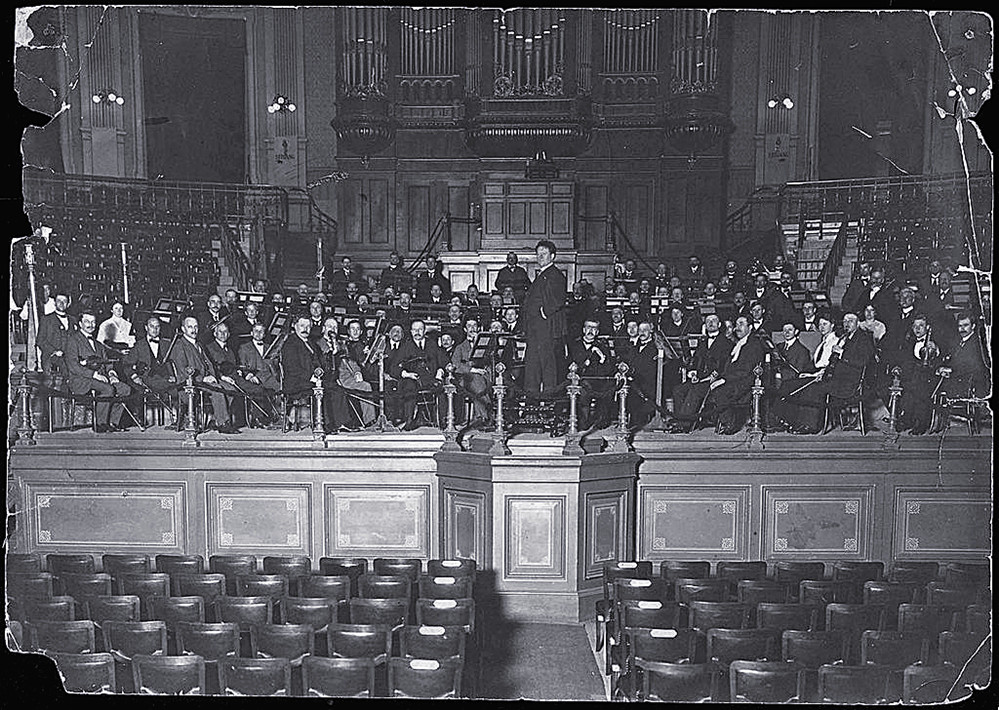
| 1907 年——威廉·门格尔伯格在大礼堂的指挥台上与阿姆斯特丹国家交响乐团共事。 | |||||||||||||||||
| 1907 - Willem Mengelberg met het Concertgebouworkest op het podium van de Grote Zaal | |||||||||||||||||
|
新文艺复兴风格的音乐厅 阿姆斯特丹的音乐厅由建筑师 A.L. 范根特设计。范根特还设计过弗拉斯卡蒂剧院和伊斯布里克咖啡馆等建筑。他以使用莱比锡的歌剧院大厅作为设计灵感来源。这座音乐厅采用了国际新文艺复兴风格,但其使用带有水平状天然石条的花岗岩材料,这体现了荷兰的传统风格。位于范巴尔勒街的前厅有着古典主义的檐柱,顶部装饰着一个门楣。檐柱之间摆放着著名作曲家贝多芬、斯韦林克和巴赫的半身像。“音乐厅”这几个字用金色字体标注在法语标识上,而铜管乐器上则有一段描述,由范根特所写,内容为“音乐的天才和音韵艺术的缪斯以及相关的姐妹们”。屋顶上闪烁着一个三米高的金色圆环,其重量至少为 607 千克。 在这片田野的深处 音乐厅于 1886 年建成。但当时它还位于城外的未开发区域,位于一片农田之中。直到 1888 年,其大门才能对外开放。在此之前,需要先拆除围墙、铺设道路并安装路灯。如今,这座音乐厅已融入了阿姆斯特丹博物馆广场的市区环境中,这里也是游客最多的景点之一。 特殊地位 1972 年,该音乐厅被授予国家古迹的称号。在 2013 年该建筑建成 125 周年之际,它还获得了皇家地位的认定。自此,它的正式名称变成了“皇家音乐厅”。 保护性音响系统和现代化侧翼 音乐厅的大厅以其出色的音响效果而闻名。在对大厅进行改造时,会保留其原有的结构和布局,以保持这种音响效果。然而,其外部在改造过程中发生了重大变化,因为东侧新建了一个侧翼。这一改造工程是 1985 至 1988 年的重建计划的一部分,由建筑师皮·德·布鲁因负责执行。侧翼部分由在第一层增加的结构构成,该结构通过立柱支撑在门廊上。其水平的形状和大量使用玻璃的设计赋予了这个侧翼部分一种飘浮的特色。在侧翼部分,设有新的主入口和一个额外的门厅。此外,当人们在入口处排队等候时,侧翼部分还可作为遮雨的顶棚使用。 |
|||||||||||||||||
|
Muziekverering in
neorenaissancestijl Het Concertgebouw in Amsterdam is ontworpen door architect A.L. van Gendt. Van Gendt is onder andere bekend als architect van theater Frascati en café de Ysbreeker. Als inspiratiebron voor het Concertgebouw heeft hij de concertzaal Gewandhaus in Leipzig gebruikt. Het Concertgebouw is in de internationale neorenaissancestijl opgetrokken, maar het gebruik van baksteen met horizontale natuurstenen banden laat invloeden van de Nederlandse tradities zien. De voorgevel aan de Van Baerlestraat heeft een classicistische zuilenrij, bekroond met een fronton. Tussen de zuilen hangen bustes van de beroemde componisten Beethoven, Sweelinck en Bach. “Concert-gebouw” staat in gouden letters op het fries aangegeven en op het timpaan staat een voorstelling die Van Gendt beschreef als “de genius der muziek en de muze der toonkunst en aanverwante zusteren”. Op het dak blinkt een drie meter hoge gouden lier die maar liefst 607 kilo weegt. Midden in het weiland Het Concertgebouw is gereed in 1886. Het staat op dat moment echter buiten de bebouwde kom, midden in een weiland. Voor het haar deuren kan openen in 1888, wordt eerst een sloot gedempt, de toegangswegen bestraat en straatverlichting aangebracht. Inmiddels is het Concertgebouw opgenomen in de stedelijke context van het Museumplein, een van de drukstbezochte plekken in Amsterdam. Speciale status In 1972 krijgt het Concertgebouw de status van een rijksmonument. Bij de viering van het 125-jarige bestaan van het gebouw in 2013, krijgt het Concertgebouw ook een Koninklijke status toegewezen. Sindsdien is de officiële naam het Koninklijke Concertgebouw. Beschermde akoestiek en moderne zijvleugel De Grote Zaal van het Concertgebouw staat bekend om haar akoestiek. Bij renovaties aan de zaal wordt de oorspronkelijke vormgeving en de afwerking intact gelaten om zo deze akoestiek te kunnen behouden. Het exterieur daarentegen is wel bij een renovatie ingrijpend veranderd door de aanbouw van een nieuwe zijvleugel aan de oostzijde. Deze aanbouw maakte onderdeel uit van het renovatieplan van 1985-1988 dat is uitgevoerd onder leiding van architect Pi de Bruijn. De zijvleugel bestaat uit een uitbreiding op de eerste verdieping die met pilaren op de stoep steunt. De horizontale vorm en het gebruik van veel glas dragen bij aan het zwevende karakter van deze zijvleugel. In de zijvleugel is de nieuwe hoofdingang en een extra foyer ondergebracht. Daarnaast dient de zijvleugel ook als overkapping tegen de regen wanneer men in de rij voor de ingang wacht. |
|||||||||||||||||
 |
|||||||||||||||||
| 门盖尔贝格和阿姆斯特丹皇家音乐厅 | |||||||||||||||||
|
最受欢迎的荷兰人 作为民族英雄,concertgebouw管弦乐队的音乐家和他们的首席指挥受到欢迎。1927年的一张照片显示,威廉·蒙格伯格(Willem Mengelberg)和他的音乐家们在德国和瑞士巡演结束后回到了车站。一手拿着雪茄,一手拿着丝带欢迎你;月桂花冠——体育英雄获胜后的传统。同年,根据《het Leven》杂志的一项调查,蒙伯格被选为最受欢迎的荷兰人。concertgebouw管弦乐队也很有名,很受欢迎。 年轻的威廉 威廉·蒙伯格1871年出生于乌得勒支。他的父母是德国人,搬到了荷兰,因为他的父亲弗里德里希·威廉(Friedrich Wilhelm)在乌得勒支(Utrecht)建立了一个工作室,担任教会艺术的雕刻家和画家。年轻的威廉师从约翰·范·里姆斯迪克和理查德·霍尔学习作曲和钢琴,后来在科隆音乐学院师从弗朗茨·伍尔夫纳等人。毕业后,他成为卢塞恩的唱诗班和管弦乐指挥。1895年,他被任命接替威廉·克斯担任concertgebouw管弦乐队的首席指挥。 纪律 例如,24岁的蒙格伯格将接管阿姆斯特丹的管弦乐队,准备迈出新的一步。威廉·克斯(Willem Kes)在公司成立的7年里,教会了这家最初不受监管的公司严格的纪律——这对要求严格的蒙格伯格来说是一个重要的原则。作为首席指挥,他从一开始就是一个完美主义者、任性和专制的人。 传奇的关系 随着他的到来,蒙格伯格用当代作曲家的作品丰富了concertgebouw管弦乐队的曲目。当时公众并不认为理所当然的音乐——现在是管弦乐队的核心曲目。蒙格伯格与古斯塔夫·马勒、理查德·施特劳斯、谢尔盖·拉赫玛尼诺夫和伊戈尔·斯特拉文斯基等人的个人关系在乐团和这些仍在崛起的明星之间产生了密切的联系——施特劳斯甚至把英雄主义献给了蒙格伯格和他的乐团。 蒙格伯格邀请上述作曲家指挥他们自己的作品,或作为独奏者与管弦乐队一起表演。德彪西、勋伯格、迪潘布洛克、施莱克、拉威尔和米尔豪德也有自己的音乐。这就产生了一个重要的传统;即使是现在,作曲家们仍然定期在concertgebouw管弦乐队指挥自己和/或他人的作品。 |
|||||||||||||||||
 |
|||||||||||||||||
| 阿姆斯特丹音乐厅管弦乐团,威廉·门格尔伯格,1926 - 1931 年首次录音(英国引进版) | |||||||||||||||||
| Amsterdam Concert Orchestra, Wilhelm Mengelberg, first recording (introduced to the UK in 1926 - 1931) | |||||||||||||||||
|
Populairste
Nederlander Als nationale helden worden de musici van het Concertgebouworkest en hun chef-dirigent onthaald. Op een foto uit 1927 staat Willem Mengelberg op het station te midden van zijn musici bij thuiskomst van een tournee door Duitsland en Zwitserland. Sigaar in de ene hand en een welkomstkrans met linten in de andere; de lauwerkrans – traditioneel voor sporthelden na hun overwinning. In datzelfde jaar wordt Mengelberg verkozen tot populairste Nederlander op basis van een enquête door het veelgelezen tijdschrift Het Leven. Ook het Concertgebouworkest is beroemd en geliefd. De jonge Willem Willem Mengelberg wordt in 1871 geboren in Utrecht. Zijn ouders zijn Duits en verhuizen naar Nederland omdat vader Friedrich Wilhelm in Utrecht een atelier vestigt als beeldhouwer en schilder van kerkelijke kunst. De jonge Willem krijgt compositie- en pianolessen van Johan van Riemsdijk en Richard Hol, en studeert later aan het conservatorium van Keulen bij onder meer Franz Wüllner. Na zijn studie is hij koor- en orkestdirigent in Luzern. In 1895 wordt hij gevraagd Willem Kes op te volgen als chef-dirigent bij het Concertgebouworkest Discipline Zo krijgt de 24-jarige Mengelberg de leiding over het orkest in Amsterdam dat klaar is voor een nieuwe stap. Willem Kes heeft het oorspronkelijk ongeregeld gezelschap in het zevenjarig bestaan strenge discipline bijgebracht – voor de veeleisende Mengelberg een belangrijk beginsel. Als chef-dirigent is hij van meet af aan perfectionistisch, eigenzinnig en autoritair. |
|||||||||||||||||
 |
|||||||||||||||||
| 这首赞美诗“我的上帝愿这一切永远发生”对应的页面,上面有门格尔贝格的注释。 | |||||||||||||||||
|
The page of the chorale "Was
mein Gott will das g'scheh allzeit" with Menngelberg's annotations |
|||||||||||||||||
 |
|||||||||||||||||
| 阿姆斯特丹音乐厅管弦乐团,威廉·门格尔伯格,1926 - 1931 年首次录音(英国引进版) | |||||||||||||||||
| Amsterdam Concert Orchestra, Wilhelm Mengelberg, first recording (introduced to the UK in 1926 - 1931) | |||||||||||||||||
 |
|||||||||||||||||
| 门盖尔贝格(Willem Mengelberg ) | |||||||||||||||||
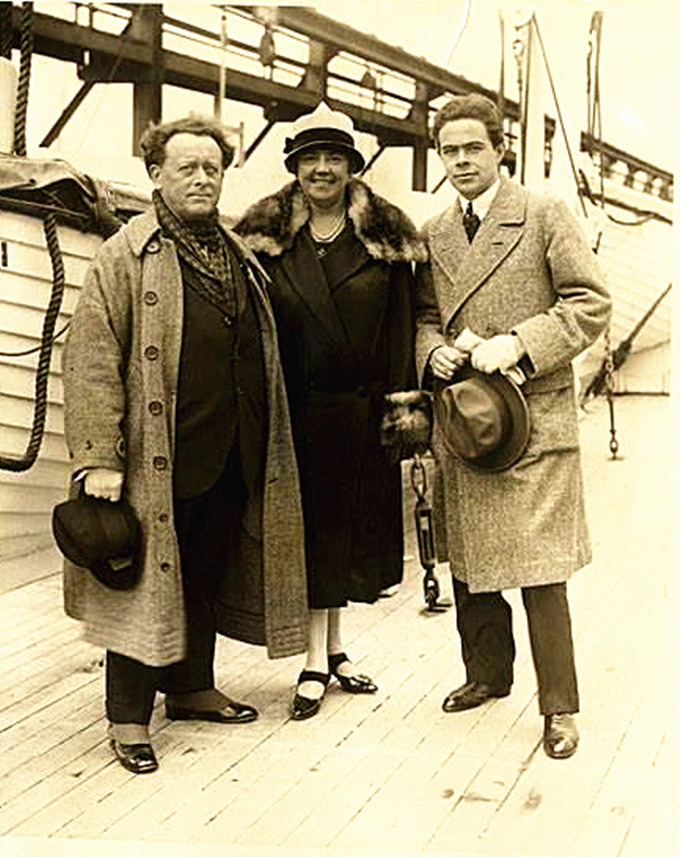 |
|||||||||||||||||
| 门盖尔贝格(Willem Mengelberg )在旅行演出的途中 | |||||||||||||||||
| Mengelberg (Willem Mengelberg) was on a tour performance journey | |||||||||||||||||
 |
|||||||||||||||||
|
最受欢迎的荷兰人 作为民族英雄,阿姆斯特丹音乐厅管弦乐团音乐家和他们的首席指挥受到欢迎。1927年的一张照片显示,威廉·门盖尔贝格(Willem Mengelberg)和他的音乐家们在德国和瑞士巡演结束后回到了车站。一手拿着雪茄,一手拿着丝带欢迎你;月桂花冠——体育英雄获胜后的传统。同年,根据《het Leven》杂志的一项调查,门盖尔贝格被选为最受欢迎的荷兰人。concertgebouw管弦乐队也很有名,很受欢迎。 |
|||||||||||||||||
|
Populairste
Nederlander Als nationale helden worden de musici van het Concertgebouworkest en hun chef-dirigent onthaald. Op een foto uit 1927 staat Willem Mengelberg op het station te midden van zijn musici bij thuiskomst van een tournee door Duitsland en Zwitserland. Sigaar in de ene hand en een welkomstkrans met linten in de andere; de lauwerkrans – traditioneel voor sporthelden na hun overwinning. In datzelfde jaar wordt Mengelberg verkozen tot populairste Nederlander op basis van een enquête door het veelgelezen tijdschrift Het Leven. Ook het Concertgebouworkest is beroemd en geliefd. |
|||||||||||||||||
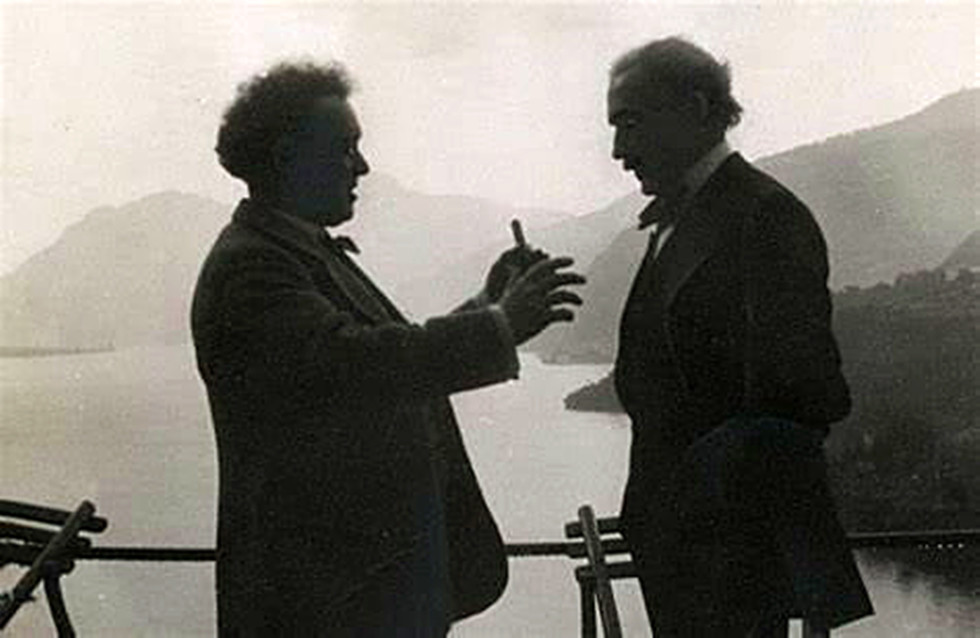 |
|||||||||||||||||
|
|||||||||||||||||
 |
|||||||||||||||||
| 1909 年 - 阿姆斯特丹音乐厅,室内乐音乐会。指挥:科内利斯·多珀、古斯塔夫·马勒、亨德里克·弗里耶尔、威廉·门格尔伯格、阿尔丰斯·迪彭布罗克。 | |||||||||||||||||
| 1909 - Concertgebouw Amsterdam, v.l.n.r. Cornelis Dopper, Gustav Mahler, Hendrik Freijer, Willem Mengelberg, Alphons Diepenbrock | |||||||||||||||||
 |
|||||||||||||||||
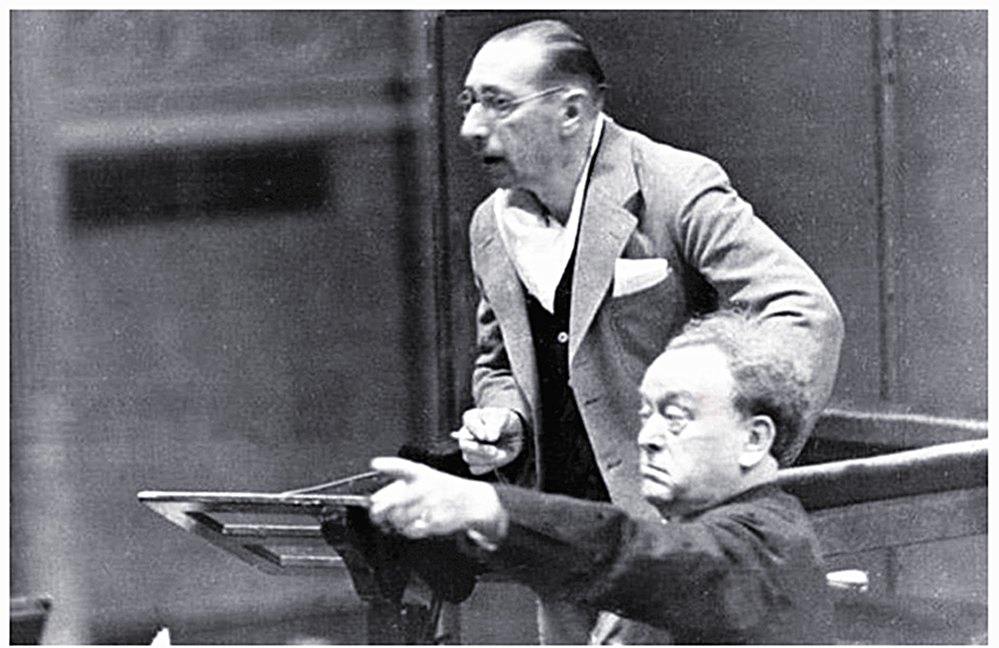
| 1937 年——威廉·门格尔伯格和伊戈尔·斯特拉文斯基在与阿姆斯特丹爱乐乐团的一次排练中(照片:@NMI) | |||||||||||||||||
| 1937 - Willem Mengelberg en Igor Stravinsky tijdens een repetitie met het Concertgebouworkest (foto: @NMI) | |||||||||||||||||
|
Today in
the history of music On March 22, 1950, the 80-year-old conductor Willem Mengelberg, who had conducted the orchestra at the Amsterdam concert hall for half a century but was banned from Dutch music for life for his cultural cooperation with Nazi invaders during world war ii, died in Switzerland. Willem Mengelberg was born on March 28, 1871, in Utrecht, the Netherlands.A symphony conductor in a romantic tradition, he developed the Amsterdam Concertgebouw Orchestra (1895-1945) into one of the best orchestras in the world. Although toscanini had more influence on later generations than anyone else, this does not mean that he also left a mark on contemporary conductors.Most of their styles follow the traditions of the 19th century and have been shaped.When you look back at the peak of tuscanini in the first half of the 20th century, it was a golden age, a time of great opportunity, a time that will never happen again.Nikesh, muk and mahler were all very active.In addition to toscanini, there were a number of well-known conductors, such as weingartner, walter, futwangler, beauchum, stokowski, reiner, anseme, kleber, monte, klempeller, kucevitsky, ormandy, sell. Some of these people are the antithesis of toscanini.Three of the leading conductors, mengelberg, futwangler and walter, were known as romantics, who represented romanticism rather than the modern tradition.Of the three, mengelberg was the greatest of the technical types, like horowitz in command, with boundless emotion and energy.He was short and round and often called the napoleon of the band.Given his casual approach to music and his habit of revising scores, it is not surprising to hear that the person who influenced him most was mahler, whom he met in 1902.Mengelberg told the BBC symphony orchestra that he was a complete and utter mahler. British viola player and writer George Bernard shaw quoted him as saying: Beethoven, like many composers, would revise his scores, even after publication, and then he went deaf.So why can't the conductor change the score?We often know more than composers.I was sidler's best student, he was Beethoven's best student, so I knew what Beethoven meant.(mengelberg was joking with the band.By "sidler," he meant schindler, who died in 1864, and mengelberg, who was born in 1871.)This is by strauss. I've been friends with Richard strauss since I was a kid, so I know what he's trying to say, so let's change it. We should not be too critical of this attitude on the part of mengelberg, at least not more so than we are of Wagner, mahler, or any other post-romantic musician.Even in the days of mengelberg, it was common for performers to help composers who lacked a sense of violence.When boussoni was criticized for rewriting parts of frank's prelude, hymn, and fugue, he simply and reasonably replied that frank didn't always know how to write it to get the effect he wanted.At the risk of being bored, I repeat that fidelity to music is a recent invention;We should not condemn a nineteenth century musician for following the fashion of his time, any more than we should condemn the early Italian artists for not knowing perspective. Trained in Germany, he conducted in lucerne for five years before returning to his native Holland in 1895 to become director of the orchestra of the Amsterdam concert hall.He developed a small local band into one of the best in the symphonic world.He commanded the regiment for forty-one years until 1941.During world war ii, mengelberg collaborated with the Nazi government, and in 1945 the Dutch reputation board banned him from continuing any musical activities.He defended himself with art."My art is a public property and should not deprive anyone of the right to enjoy it.I'm not interested in politics."In 1941 he took up a post in the German cultural cabinet and commanded in Germany throughout the second world war. He was a conductor of exceptional skill and drive, particularly fascinated by the large, complex music of mahler and strauss.Strauss dedicated Ein Heldenleben to him, and it is generally accepted that no conductor can deliver such excitement, brilliance, and drama.Mengelberg left behind a record for the world to witness.As a master of style, he belonged to the Wagnerian school.As a true romantic, he would slow down in comparison passages, using free speed, leaving little room for imagination.As late as the 1930s, he had the strings use slippage in the adagio section of the ninth symphony to enhance the emotional effect.This anachronistic effect, and his change of pace, displeased many musicians and critics;However, his sense of drama and the effect of giant oil painting made the audience crazy.As Lawrence Gilman put it: "his faults are irritating, but his virtues are noble." Mengelberg was active in the United States, appearing frequently after 1905.In 1919 he was approached by the Boston symphony orchestra to succeed mook.Finally because the money did not agree."In my mind, the United States has always been a very rich country," he told a reporter. "but from my endowment, it doesn't seem that way."He later conducted the New York Philharmonic, working with toscanini from 1927 to 1928.One mountain does not make two tigers, and mengelberg is the loser.Winthrop Sargeant said Mr. Mencelberg taught the orchestra perfectly, but Mr. Toscanini didn't think so, and he began to reinvent the orchestra, discarding all of Mr. Mencelberg's cherished ideas.Toscanini's way of dealing with errors (sargent) is not a rational explanation but a rage, in which he breaks the musical frame with his baton.Mengelberg represents "a man of principle and tradition, fighting for a moral system of music that he believes is greater than himself.On the other hand, a ruthless and autocratic genius sweeps everything in front of him, demanding obedience to standards set purely by instinct, rather than to rules and order.The band's musicians knew who would be the winner, and poor mengelberg's rehearsals turned into a mess.Mengelberg believed in his gun, but he lost his power and authority.He wanted to stick it out, endured some musical season abuse, but eventually returned home, never to return. Mengelberg also had the distinction of being the most obsessive talker of all conductors in history.Carl Flesch once looked at his watch during a rehearsal.The conductor spoke for an hour and a half, then rehearsed for only three-quarters of an hour.Bernard shaw described the first rehearsal for mengelberg, after he had retired.Mengelberg appeared and began to recall his wonderful experiences conducting orchestras around the world."There's nothing I don't know, you see.Now, Mr. Oboe, give me an A."Then the band spent twenty-five minutes tuning up until the conductor was satisfied.It was a thorough ceremony.First the violin is tuned to the oboe, then the whole string part, then the whole orchestra, then the bassoon.When the band found A, the violin began to tune the other strings.The oboe, like an archbishop, must "stand up and play in the direction of the parts in order to be heard at a distance.And mengelberg sits on the podium like a giant Buddha, criticizing the smallest steps one by one."Eventually, the orchestra reduced the tuning time to five or six minutes.Some conductors are especially sensitive to tuning.When Sir Henry wood was in charge of the early queen's hall band, he built a special tuner that blew a reed with a bellows to keep it vibrating 435.5 times a second at 59 degrees Fahrenheit.He required every musician to register for tuning at the machine backstage. As is often the case with masters of technique, Mr. Mencelberg's reputation dissipated quickly after his death.Mengelberg was born at a time when his two great legacies, technique and romanticism, were viewed with suspicion.Posterity has not been fair to him, and he deserves more.His music may be too artificial by today's standards, but it has always been full of vitality, drive and a sense of faith.No one has ever surpassed his musical touch, not even kucevitsky and stokowski.There was a real power to this little man, a great individual and one of the band's most reliable owners. 1. Mengelberg conducts Tchaikovsky's fifth symphony, 1943, Budapest;2. Video of mengelberg conducting a rare concert with the orchestra of Amsterdam (recorded in 1931). |
|||||||||||||||||
 |
|||||||||||||||||
| 门盖尔贝格与阿姆斯特丹皇家交响乐团录制的唱片 | |||||||||||||||||
| The records recorded by Mendelberg and the Royal J Orchestra of Amsterdam | |||||||||||||||||
 |
|||||||||||||||||
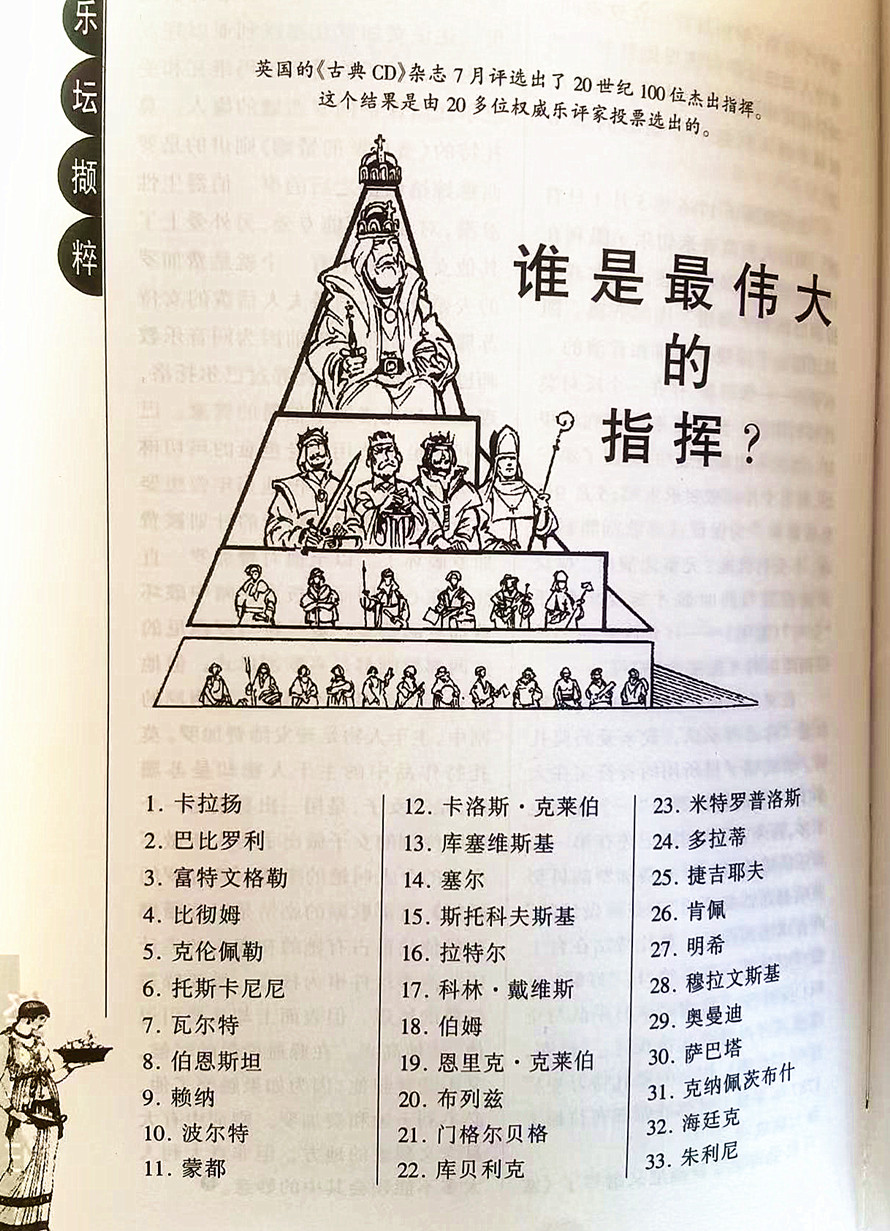
| 1999年英国《古典CD》杂志评选的20世纪100位伟大的指挥家,门盖尔贝格被列为第21位,说明他在这些权威乐评家心中的位置 | |||||||||||||||||
| In 1999, Mendelberg was ranked 21st among the 100 great conductors of the 20th century by the British magazine Classical CD,Explain his position in the eyes of these authoritative music critics. | |||||||||||||||||
 |
|||||||||||||||||
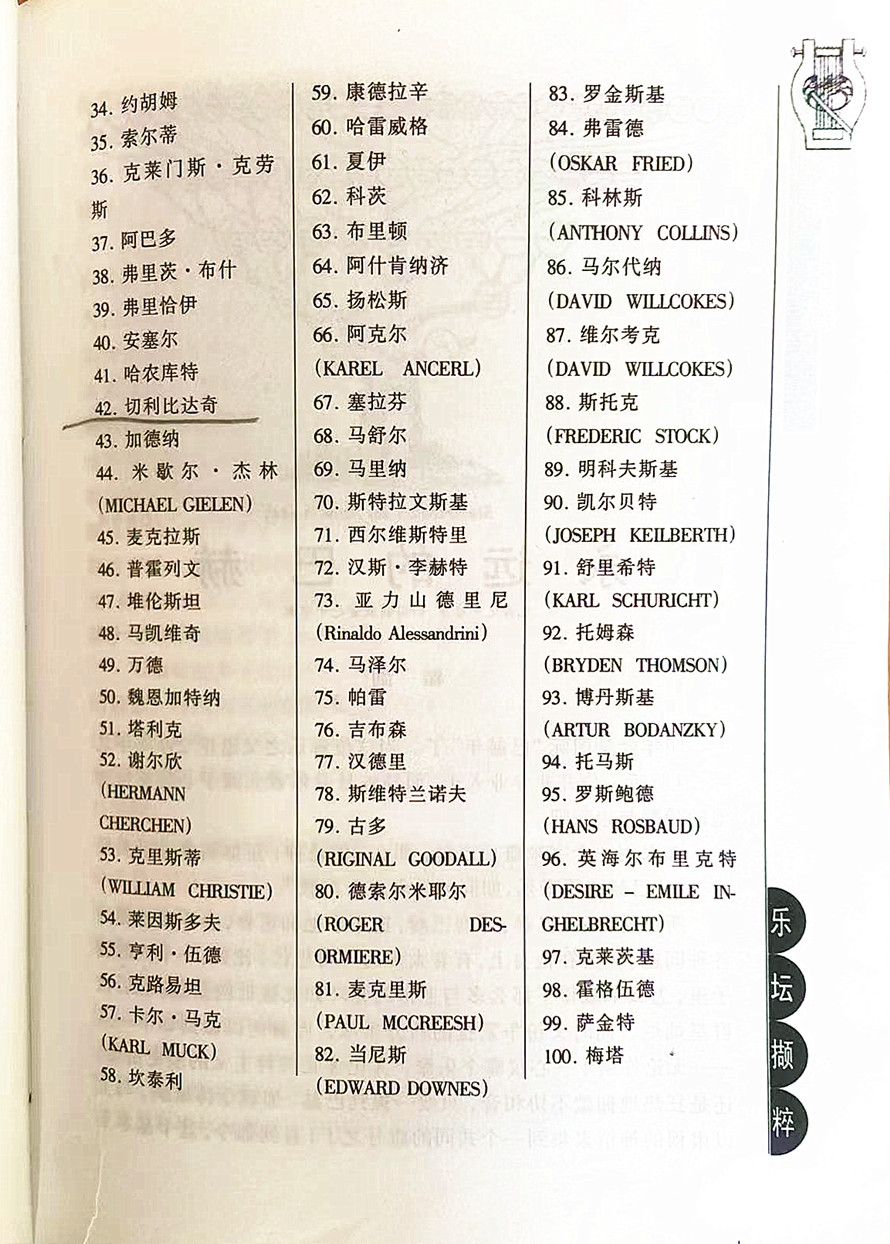
| 1999年英国《古典CD》杂志评选的20世纪100位伟大的指挥家,门盖尔贝格被列为第21位 | |||||||||||||||||
| In 1999, Mendelberg was ranked 21st among the 100 great conductors of the 20th century by the British magazine Classical CD | |||||||||||||||||
| 门盖尔贝格和阿姆斯特丹管弦乐团合作的珍贵音乐会录像,1931年录制柏辽兹拉科奇进行曲等 | |||||||||||||||||
| Willem Mengelberg & Concertgebouw Orchestra (1931 Movie) | |||||||||||||||||
|
|
|||||||||||||||||
| 未得原作者编者授权严禁转载www.mt77.com任何内容 | |||||||||||||||||







|
|
|
||||||
|
copyright © 2003-2005 xilu.com all rights reserved. |
||||||
|
|
||||||

