|
||||||||||||||||||||||||||
 |
 |
|||||||||||||||||||||||||
|
|

|
||||||||||||||||||||||||
|
|
|
|||||||||||||||||||||||
| 傅聪(Fu Ts'ong 1934年3月10日-2020年12月28日) | ||||||||||||||||||||||||
| 【傅聪】肖邦 升C小調夜曲 | ||||||||||||||||||||||||
Chopin : Nocturne Op.posth in C sharp minor |
||||||||||||||||||||||||
|
|
||||||||||||||||||||||||
|
音乐历史上的今天 1955年3月19日,傅聪在第五届肖邦国际钢琴比赛中第三名和“玛祖卡”最优奖,欧洲许多人曾为之震惊,认为不可思议。 傅聪(Fu Ts'ong ),1934年3月10日生于上海,8岁半开始学习钢琴,9岁师从意大利钢琴家梅百器。1954年赴波兰留学。1955年3月获“第五届肖邦国际钢琴比赛”第三名和“玛祖卡”最优奖。1959年起为了艺术背井离乡,轰动一时,此后浪迹五大洲,只身驰骋于国际音乐舞台,获得“钢琴诗人”之美名。
钢琴,是傅聪的终身“情人”;音乐,是他灵魂的避难所。 |
|
|||||||||||||||||||||||
 |
||||||||||||||||||||||||
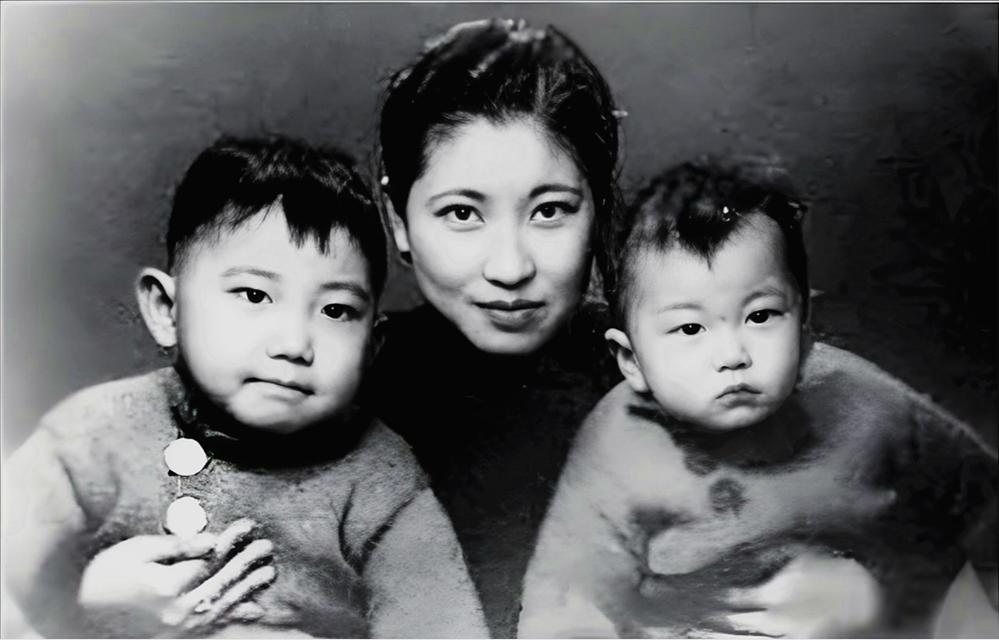
| 傅雷夫人朱梅馥和长子傅聪次子傅敏 | ||||||||||||||||||||||||
| Mrs. Fu Lei, Zhu Meifu, and the elder son, Fu Ts'ong, and the younger son, Fu Min | ||||||||||||||||||||||||
 |
|
|||||||||||||||||||||||
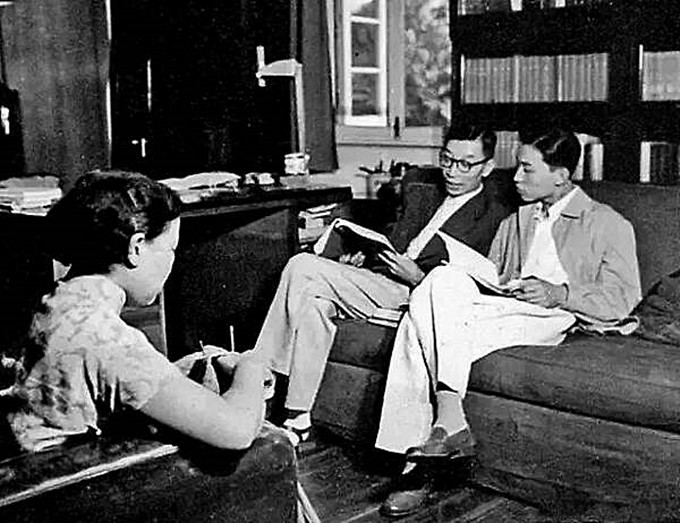
| 傅聪和和父亲傅雷和母亲在家中温馨的时刻 | ||||||||||||||||||||||||
| Fu Ts'ong and his father Fu Lei and mother spent a warm and cozy moment at home. | ||||||||||||||||||||||||
 |
||||||||||||||||||||||||
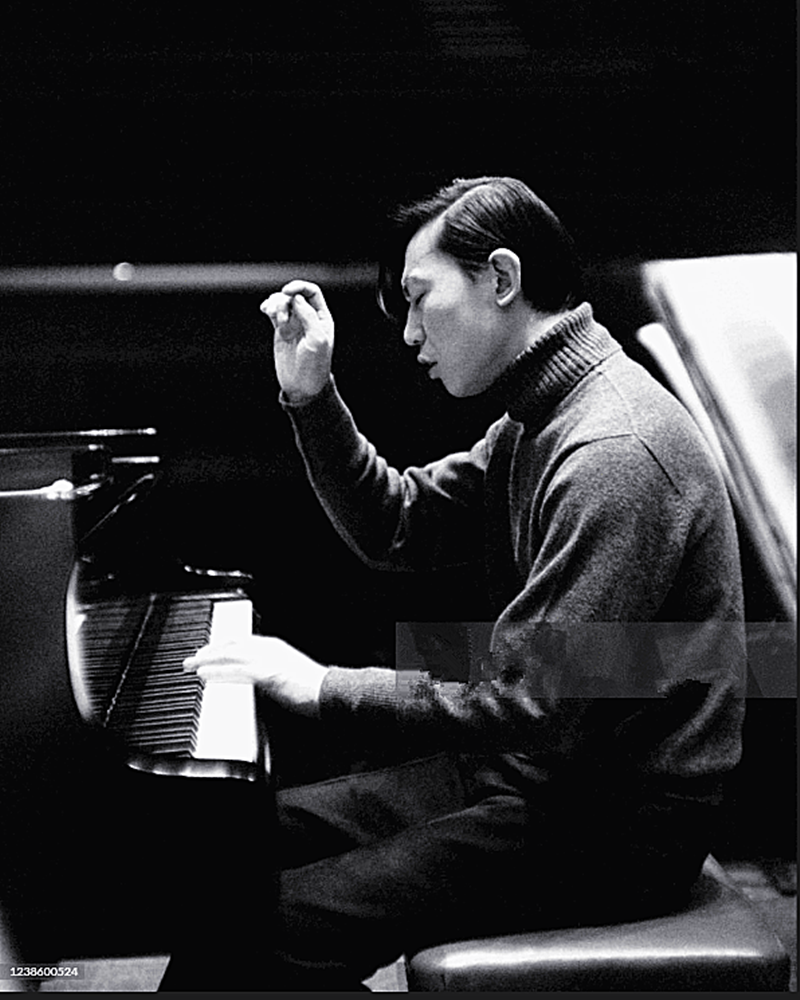
| 傅聪在演奏中 | ||||||||||||||||||||||||
|
傅聪,出生于1934年,著名翻译家傅雷之子。7岁开始学钢琴,9岁他拜意大利钢琴家梅帕器为师,在其门下受教三年,17岁时前往波兰深造,1955年获得肖邦(Chopin)国际钢琴比赛的第三名和“玛祖卡“演奏最优奖。1958年,傅聪定居于伦敦,在其后的职业生涯中,他以“钢琴诗人”的称号闻名于世。 傅聪擅长演奏肖邦、德彪西(Debussy)、莫扎特(Mozar)和拉赫玛尼诺夫(Rachmarninov)的曲目。他还是许多重大国际铜琴比獎的评委,并积极参与对中国年轻一代钢琴家的培养。 |
||||||||||||||||||||||||
| Fu Ts'ong was born in 1934. He is the son of the renowned translator Fu Lei. He began learning the piano at the age of 7 and at the age of 9, he studied under the Italian pianist Meppaer. Under his tutelage for three years, he then went to Poland for further studies. In 1955, he won the third place in the Chopin International Piano Competition and the "Mazurka" performance award. In 1958, Fu Cong settled in London. During his subsequent career, he became famous worldwide as the "Piano Poet". Fu Cong is proficient in playing the works of Chopin, Debussy, Mozart, and Rachmaninov. He is also a judge for many major international piano competitions and actively participates in the cultivation of young Chinese pianists. | ||||||||||||||||||||||||
 |
||||||||||||||||||||||||
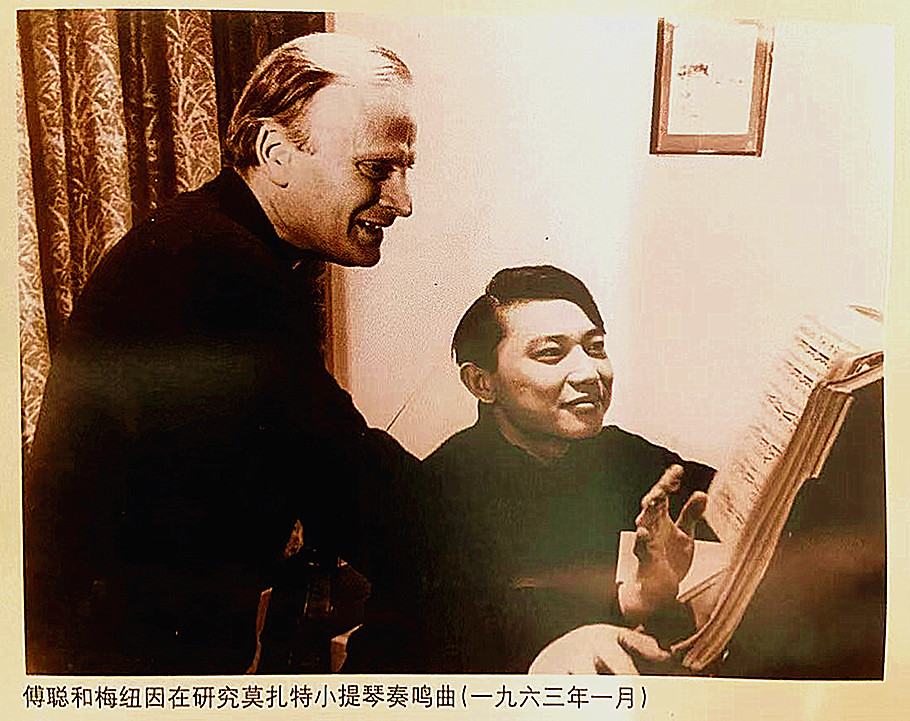
| Fu Cong and Menuhin are studying Mozart's Violin Sonatas (January 1963) | ||||||||||||||||||||||||
|
|
||||||||||||||||||||||||
|
Today in music
history On March 19, 1955, Fu Ts'ong won the third place and the "Mazurka" Best Award in the 5th International Chopin Piano Competition, which shocked many people in Europe and thought it was incredible. Fu Ts'ong, born in Shanghai on March 10, 1934, began to learn piano at the age of eight and a half, and studied with Italian pianist Mei Baiqi at the age of nine. He went to Poland to study in 1954. In March 1955, he won the third place of the 5th International Chopin Piano Competition and the Best Prize of the Mazurka. In 1959, he left his hometown for the sake of art and became a sensation. Since then, he has traveled to five continents and galloped on the international music stage alone, earning the reputation of "piano poet". The piano is Fu Ts'ong's lifelong "lover"; Music is a refuge for his soul. In the past, Fu Cong, who has always been stingy with time, spent nearly 11 hours a day "heart-to-heart" with the piano and never allowed anyone to disturb him. Fu Cong's emotional world is lonely and colorful, but it is always closed to outsiders. However, the friend did reveal one of his little secrets. On the bed of Fu Cong's bedroom hangs a sketch of his first girlfriend. When Fu Ts'ong went to Poland to study in the early years, his girlfriend painted it and gave it to him. Unexpectedly, this sketch has become a beautiful memory of his life. The romantic and aesthetical nature of Fu Ts'ong led to three marriages. Later, under the introduction of pianist Rupu, Fu Ts'ongmet pianist Zhuo Yilong who grew up in Hong Kong, and after the two married, Fu Ts'ong's wandering "ship" docked into the calm harbor. The family of four lived happily in London. It is a pity that his two sons, although very fond of music, did not inherit his "mantle". At the age of three or four, Fu Ts'ong could already feel the powerful attraction of music, revealing an unusual love for music. When he was seven and a half years old, his father's best friend Lei Yuan discovered his extremely high musical talent, and since then Fu Lei gave up the idea of letting Fu Ts'ong learn painting, and turned to Lei Yuan as a teacher to learn to play the piano. At the age of nine and a half, Fu Ts'ong was taught by Mario Paci, an Italian conductor and pianist who was the conductor of the Shanghai Symphony Orchestra. Mepa is a disciple of Liszt. Fu Ts'ong was taught by him for three years. In the summer of 1951, Fu Ts'ong again studied under the Soviet pianist Ada Bronstein. Fu Ts'ongworked hard. He practiced the piano seven or eight hours a day. In the hot weather, his clothes were wet and he never took a break. And his understanding of music also showed a unique. In 1953, the fourth "World Youth Festival" was held in Romania. After domestic selection, Fu Ts'ong participated in the piano competition of the "Festival" as a Chinese player and won the third prize. At that time, his performance of Scriabin's "Prelude" had moved the Soviet players to tears. In March 1955, the 5th Chopin International Piano Competition was held in Warsaw. Seventy-four contestants from around the world gathered in the Polish capital. Fu Ts'ong is a Chinese contestant with the weakest musical credentials. After three rounds of competition, he won the third place with similar scores to the first two, and also won the best performance of Mazurka. This is the first time that the Oriental has achieved outstanding results in the Chopin competition. Although he was third, Fu Cong's playing charm was enough to make him one of the most eye-catching figures in the competition. After the game, Fu continued to study under Professor Jewiecki in Poland until the end of 1958. During this period, Fu Ts'ong returned to China on vacation from August to October 1956, where he gave a solo recital in Beijing and a Mozart concerto concert in Shanghai with the Shanghai Symphony Orchestra. In addition, he played in many cities in Eastern Europe, and by 1958, he had performed more than 500 times in Poland. Audiences in these countries have enjoyed the elegance of young Chinese pianists, and Fu Cong has accumulated valuable stage experience as a professional pianist. In December 1958, he left Poland and moved to London, England. Over a 20-year period in the sixties and seventies, some 2,400 recitals were given; He has collaborated with many internationally renowned performers, including Yehudi Menuhin, Totari, Daniel Barenboim, Jeong Kyung-wha, etc. He has recorded about 50 albums; She has served as a judge of the Chopin International Piano Competition, the Queen Mother Elisabeth International Music Competition in Belgium, and music competitions in Norway, Italy, Switzerland, Portugal, Southeast Asia and other countries and regions. He has played almost all over Europe, the Americas, the Middle East, Southeast Asia, Japan, and Oceania. Such extensive, lasting and frequent artistic activities are in themselves proof of high artistic achievement. With his hard work, he won the evaluation of "a weighty giant". In the 1960s, Time magazine named him "the greatest Chinese musician of our time". In 1959, his father, Fu Lei, was classified as a rightist. His girlfriend secretly wrote to tell Fu Cong what had happened, and warned him not to come back, otherwise his art would be over! It was this letter that prompted Fu Cong to leave. And Fu Cong became a world-class pianist. Although Fu Cong did not confirm the "secret", he explained why he left: "When I left, I felt very complicated, because there was no art in China at that time, and I could not survive without art!" Travelling thousands of miles to the country, Fu Cong melted the feeling of thinking about the country and helpless sadness in the Chopin music he played. In 1960, his music moved Nobel Prize winner Hermann Hesse to write an essay entitled "To a Musician", which he personally printed more than 100 copies of and distributed to friends. In 1976, Fu Ts'ong gave a concert at the Central Conservatory of Music. In December of the same year, Fu Cong returned to China again. Since then, he has returned to China almost every year to play and give lectures, and has been to Beijing, Shanghai, Xi 'an, Chengdu, Kunming, Hong Kong and other places. He has lectured on topics such as Chopin, Mozart and Debussy, and performed works by these composers as well as Schubert and Scatti. He also performed Beethoven's concerto with the Central Orchestra. Cooperated with the student band of the Central Conservatory of Music, performed Mozart's concerto, and conducted concurrently; He also directed the training of the chamber music group of the Central Conservatory of Music Affiliated Middle School. His rich artistic experience and tireless teaching attitude have won the praise and respect of teachers, students and music lovers. As he got older, he gradually reduced his practice time to six hours. He said that he was born with hard hands, and he had not practiced well since childhood, so he could not practice for a day. When playing the piano, Fu Ts'ong often enjoyed himself, "This is a special providence to my career!" He was as devout to music as a Christian was to the Bible. In his late 80s, Fu Ts'onga world-renowned pianist, said: "I am a slave of the piano, or rather a missionary of music. I spend most of my life on the piano, too hard!" But I have no plans to retire." After signing a three-year contract with the Shanghai Conservatory of Music, Fu Cong regularly gives piano master classes. Now "Fu Ye" respectful name, has spread around the campus. "Fu Ye" interpretation of Chopin, Mozart, Debussy, there is an elusive depth and classical beauty. Today's video: 1. Fu Ts'ong plays Chopin's Nocturne in C Sharp Minor; 2. Fu Cong performed "Mozart Piano Concerto No. 27" K595- First movement. 3, Fu Cong played "Mozart Piano Concerto No. 27" K595- second movement; 4, Fu Cong performed "Mozart Piano Concerto No. 27" K595-third movement. |
||||||||||||||||||||||||
 |
||||||||||||||||||||||||
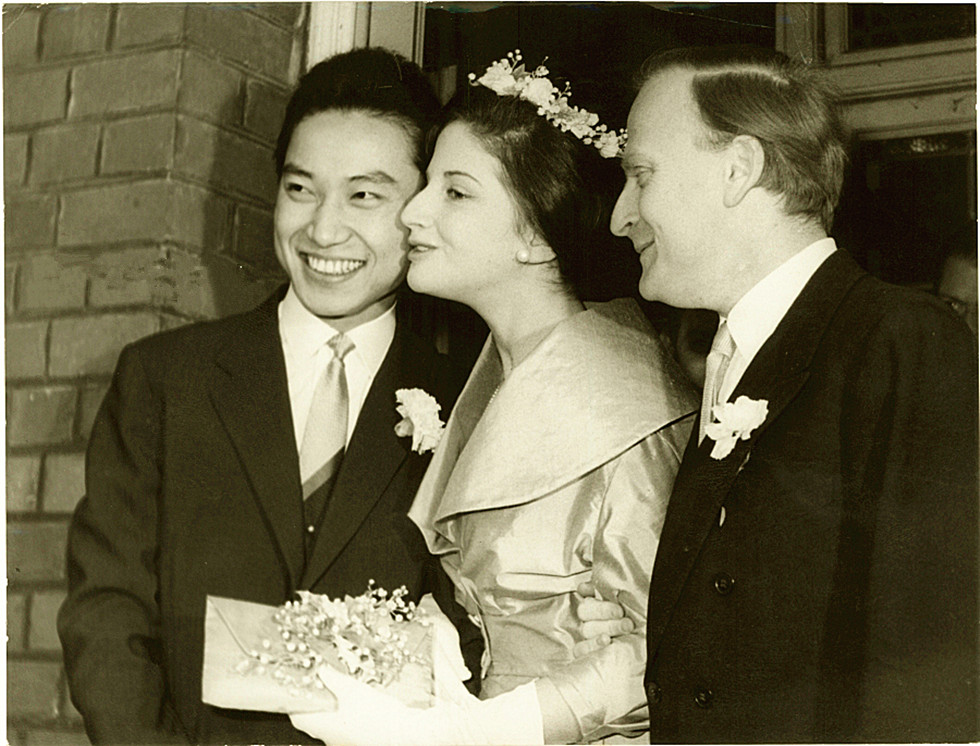
| 傅聪(Fu Ts'ong )和第一任妻子及岳父——小提琴大师梅纽因 | ||||||||||||||||||||||||
| Fu Ts'ong with his first wife and father-in-law, violinist Menuhin | ||||||||||||||||||||||||
|
傅聪也跟这位著名的小提琴家的家庭,有了不寻常的关系。他,爱上了梅纽因前妻诺拉的女儿弥拉。在来到伦敦1年零8个月时,傅聪在家书中向父母透露了喜讯,
但是,十多年后,傅聪和弥拉的家庭破裂了。用傅聪的话来说,缘由是“终因东、西方人秉性差异太大”。 聪在极度的苦闷之中,有过一次草率婚姻。他选择了一位东方女性——南朝鲜驻摩洛哥大使的女儿。傅聪的第二次婚姻很不幸。用他自己的话来说:“我们结婚3个月便无法共同生活了……3个月,短暂的婚姻。” 仓促的结合,导致迅速的离异。 傅雷夫妇说不出的欢喜和兴奋。 浪漫、唯美的天性让傅聪经历了3次婚姻生活。后来,在钢琴家鲁普的介绍下,傅聪结识了在香港长大的钢琴家卓一龙,两人结婚后,傅聪漂泊的“航船”,才停靠进了平静的港湾。 终于,一位中国女性的琴声,引起他心中的共鸣。 她,卓一龙,一位出生在“琴岛”——厦门鼓浪屿的女钢琴家。她是一位从小便在琴声中长大的女性。 |
||||||||||||||||||||||||
 |
||||||||||||||||||||||||
| 傅聪与第一任妻子弥拉在一起 | ||||||||||||||||||||||||
|
Fu Ts'ong also had
an unusual relationship with the famous violinist's family.He fell in
love with meera, the daughter of menuhin's ex-wife nola.One year and
eight months after arriving in London, fu cong revealed the good news to
his parents in a letter home, which immediately broke up their family
more than a decade later.The reason, in fu cong's words, is that "the
differences between eastern and western personalities are too great". In the extreme anguish, cong had a hasty marriage.He chose an Oriental woman, the daughter of the south Korean ambassador to Morocco.Fu cong's second marriage was unfortunate.In his own words: "we couldn't live together after three months of marriage...Three months, a short marriage."A hasty marriage leads to a rapid divorce.Fu lei couple can not say the joy and excitement. Fu Ts'ong experienced three times of marriage because of his romantic and aesthetic nature.Later, in the pianist rupp's introduction, fu cong met in Hong Kong grew up pianist zhuo yilong, two people get married, fu cong drifting "ship", docked into the quiet harbor. Finally, the sound of a Chinese woman playing the piano resonated in his heart. She, Zhuo Yilong, is a female pianist born on the "Piano Island" - Gulangyu Island, Xiamen. She is a woman who grew up surrounded by the sound of the piano since childhood. |
||||||||||||||||||||||||
 |
||||||||||||||||||||||||
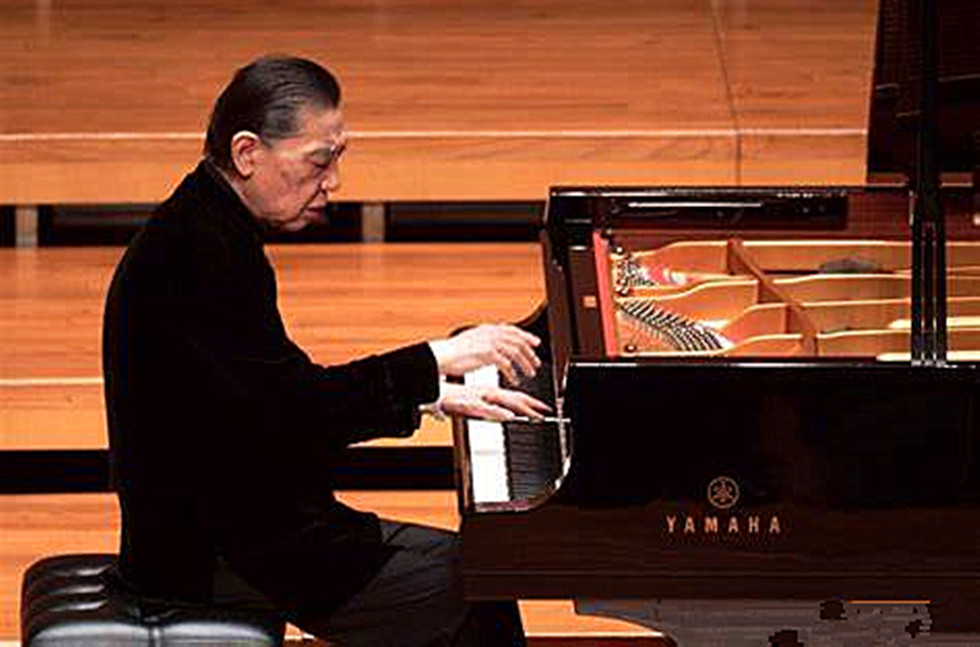
| 傅聪(Fu Ts'ong ) | ||||||||||||||||||||||||
| 傅聪(Fu
Ts'ong
)谈肖邦 演绎肖邦我说不上是权威,我不过是他一个忠诚的追随者。“熟读后主词”,就基本上是肖邦的精神。肖邦的音乐最主要的就是“故国之情”,还深一些的,是一种无限的惋惜,一种无可奈何的悲哀,一种无穷尽的怀念!这种无穷尽的怀念不光是对故土的怀念,那种感情深入在他的音乐里,到处都是一个“情”字啊!这是讲肖邦音乐的那种境界,他其实是一个根植得很深的音乐家。我要是能够再活一次的话,也要像黄宾虹画画一直追求到唐宋以前一样,从那个根子里打基础,再慢慢地“画”出去。黄宾虹活到90岁才到那个境界。我这辈子弹钢琴本就是半路出家,基础很差,要我重新从巴赫再到巴赫以前是不可能了!我平常喜欢听的音乐中钢琴的最少,基本上是跟钢琴没关系的。我最喜欢的作曲家之一是戴留斯,他就从来不写一个钢琴作品(这个说法好像有误?至少戴留斯还有一首钢琴协奏曲——作者注)。因为我喜欢的是音乐,音乐是一个很巨大的无边无限的世界。肖邦古典的根是很深的。他的音乐和声非常丰富,同时对位复调的程度非常高,不像巴赫的,一听就是对位,他的不是,可是又无处不在。可以说,他的音乐里面包含着中国画特别是山水画里线条的艺术,尤其是黄宾虹山水画里的艺术,有那种化境、自由自在的线条……一般人弹肖邦,只晓得听旋律。肖邦的旋律是很美,可是在旋律美之外人们往往忽略掉了它其它声部的旋律。他的音乐是上头有个美丽线条在那儿,下头还有几个美丽线条无孔不入,有很多的表现。除此之外,肖邦音乐还有和声的美。不像一般的弹钢琴,右手是旋律的话,左手就是伴奏,肖邦的音乐里没有伴奏,里头都是音乐,都有丰富的内容。为什么人们都说肖邦是“钢琴诗人”?他的音乐真是最接近于诗!人们都说肖邦一定要歌唱,其实在歌唱之前,肖邦他一定要舞蹈,他的音乐全是从民间舞蹈出来的,每一句都是这样!即使是他的叙事曲,里面都有玛祖卡和华尔兹的影子。他的协奏曲也是这样,比如说第一协奏曲,第一乐章后面有波兰舞曲的影子,不仅如此,开始那个乐队的部分还是玛祖卡呢!很多人包括西方的音乐家都不知道!我说透之后,他们觉得很惊讶,但是仔细一分析,又觉得有道理!除此以外,还有更重要的一点:肖邦要说话!肖邦的音乐跟诗那么接近,好像他在跟你说话。有一首他的E大调夜曲作品62,第一次接触它时,最后那一段我就感觉真是“泪眼望花花不语,乱红飞过千秋曲”(此处引用有误,应为“泪眼问花花不语,乱红飞过秋千去”,原句出自欧阳修词《蝶恋花》——作者注)!“乱红”颜色的感觉真实极了!每次我弹这个曲子就真是那个感觉——泪眼望花花不语!肖邦的音乐那个感人啊!每个人都会感觉到他在对你说话!肖邦真的跟诗是最接近的! 我一说起来就好像每一个作曲家都跟中国的诗有关系,比如说陶渊明就很像舒伯特,贝多芬和巴赫就少一些,但是贝多芬在“苦”这个程度上跟杜甫有点相像。肖邦的音乐真是跟我们中国人的文化很接近很接近,所以这次波兰肖邦钢琴比赛,最让波兰人震撼的并不是某个人得奖的问题,而是整个中国代表团给他们的印象非常深刻,他们认为这些中国人基本上都有那种肖邦的感觉。对肖邦有感觉的人是越来越少了,全世界都很少,因为肖邦那种诗一般的语言和他那种深情在这个世界上已经越来越缺少,那种置生死于度外的执着真是很少很少! |
||||||||||||||||||||||||
 |
||||||||||||||||||||||||
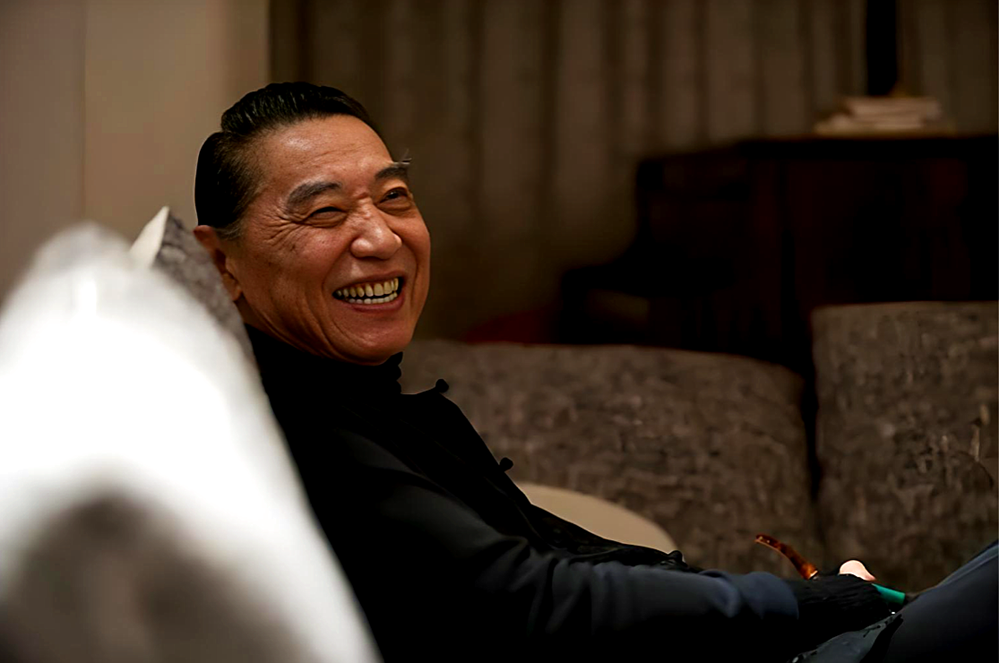
| 晚年的傅聪 | ||||||||||||||||||||||||
|
Fu Ts'ong
Talk about
Chopin I'm not an authority, I'm just a loyal follower."After a thorough study of the Li Houzhu," is basically Chopin's spirit.The most important thing in Chopin's music is "the feeling of the old country", which is also a little deeper. It is a kind of infinite regret, a kind of helpless sorrow, a kind of infinite yearning!This kind of endless miss is not only to miss the homeland, that kind of feeling deep in his music, everywhere is a "love" word ah!This is the realm of Chopin, a deeply rooted musician.If I can live again, I also want to be like huang binhong painting has been pursuing to tang and song before, from that root in the foundation, and then slowly "paint" out.Huang binhong didn't reach that stage until he was 90 years old.I have been a pianist in my life, and my foundation is very poor. It is impossible for me to go from Bach to Bach again!I usually like to listen to the least of the music of the piano, basically has nothing to do with the piano.One of my favorite composers is dieu, who never wrote a piano piece.At least there is a piano concerto by dieu.Because what I like is music, and music is a big, infinite world.Chopin's classical roots are deep.His music harmony is very rich, and at the same time counterpoint polyphonic degree is very high, unlike Bach, one is counterpoint, his is not, but everywhere.It can be said that his music contains the art of Chinese painting, especially the lines in the landscape painting, especially the art in the landscape painting by huang binhong, with the kind of free lines...Ordinary people play Chopin, only know to listen to the melody.Chopin's melody is very beautiful, but in addition to the beauty of the melody people tend to ignore its other parts of the melody.His music has a beautiful line up there, and a couple of beautiful lines down there, showing a lot of things.Besides, Chopin's music also has the beauty of harmony.Unlike the common piano, the right hand is the melody, the left hand is the accompaniment, Chopin's music is not accompanied, there is music, there is rich content.Why do people call Chopin a "piano poet"?His music is really the closest thing to poetry!People say Chopin must sing, in fact, before singing, Chopin must dance, his music is all from the folk dance, every sentence is so!Even in his ballade, there are shadows of mazurka and waltzes.The same is true of his concerto, for example, the concerto no. 1, which has polonaise behind the first movement, and not only that, but also mazurka at the beginning of the band!Many people, including western musicians, don't know!When I told them all, they were surprised, but on closer analysis, they found it reasonable!But there was one more important point: Chopin had to speak!Chopin's music is so close to poetry, it's like he's talking to you.There is a piece of his nocturne in E major, op. 62. The first time I touched it, the last paragraph I felt was really "tears in my eyes looking at flowers without a word, flying over the thousands of songs"!The feeling of "messy red" color is very real!Every time I play this song is really that feeling - tears look at the flower flower language!Chopin's music that moving!Everyone will feel he's talking to you!Chopin was really the closest thing to poetry! It seems to me that every composer has something to do with Chinese poetry. Tao yuanming, for example, is very much like schubert.Chopin's music is really close to our Chinese culture, so the most striking thing for the poles in this Chopin piano competition is not that one person won the prize, but that the whole Chinese delegation impressed them very deeply. They think that these Chinese people basically have the Chopin feeling.There are fewer and fewer people who have feelings for Chopin, all over the world, because Chopin's poetic language and his kind of deep feeling in this world has been increasingly lacking, the kind of life and death on the outside of the perseverance is very few! |
||||||||||||||||||||||||
 |
||||||||||||||||||||||||
| 傅聪现场音乐会录像 | ||||||||||||||||||||||||
 |
||||||||||||||||||||||||
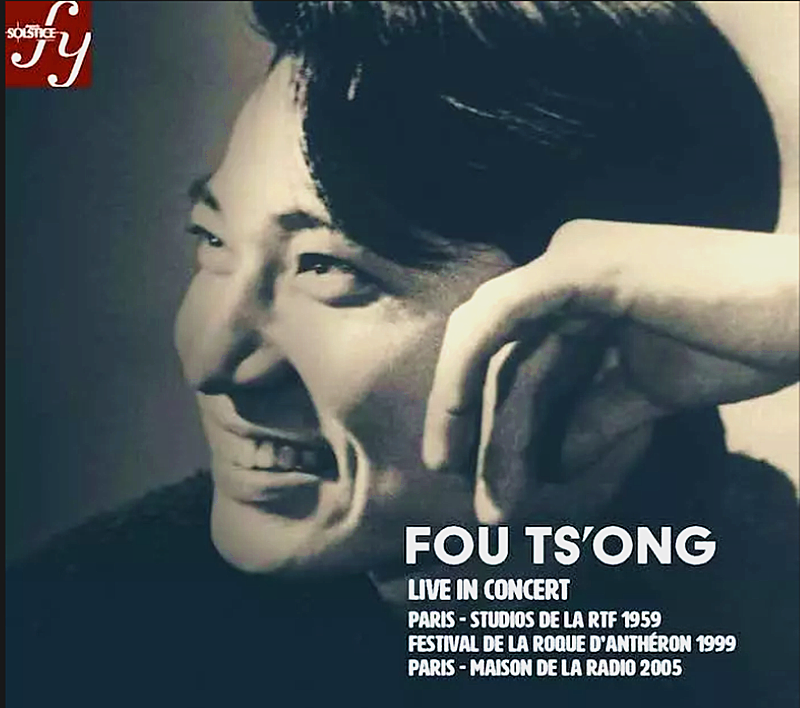
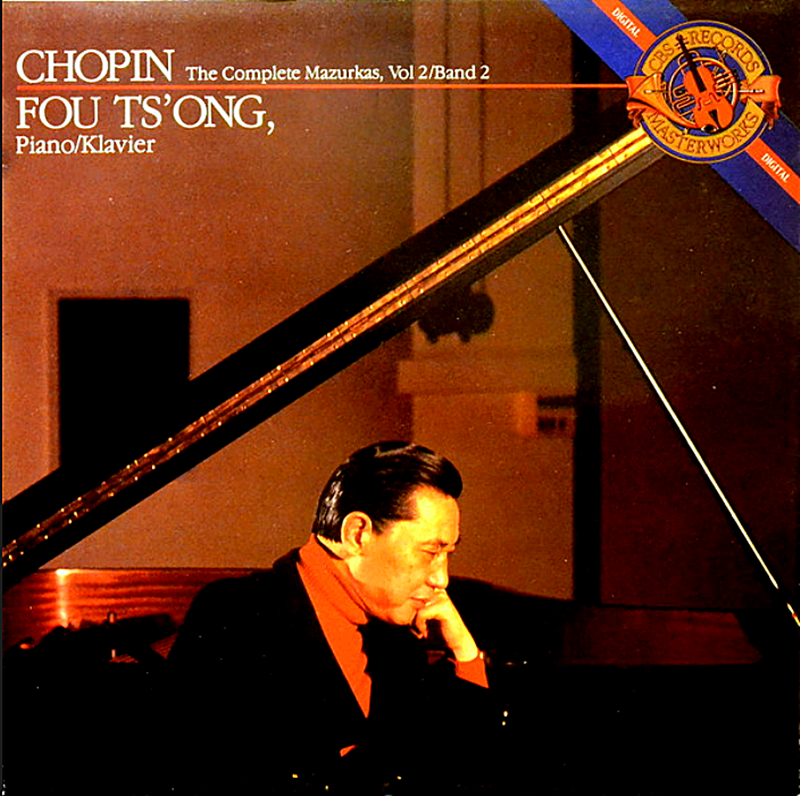
| 傅聪演奏肖邦的唱片 | ||||||||||||||||||||||||
 |
||||||||||||||||||||||||
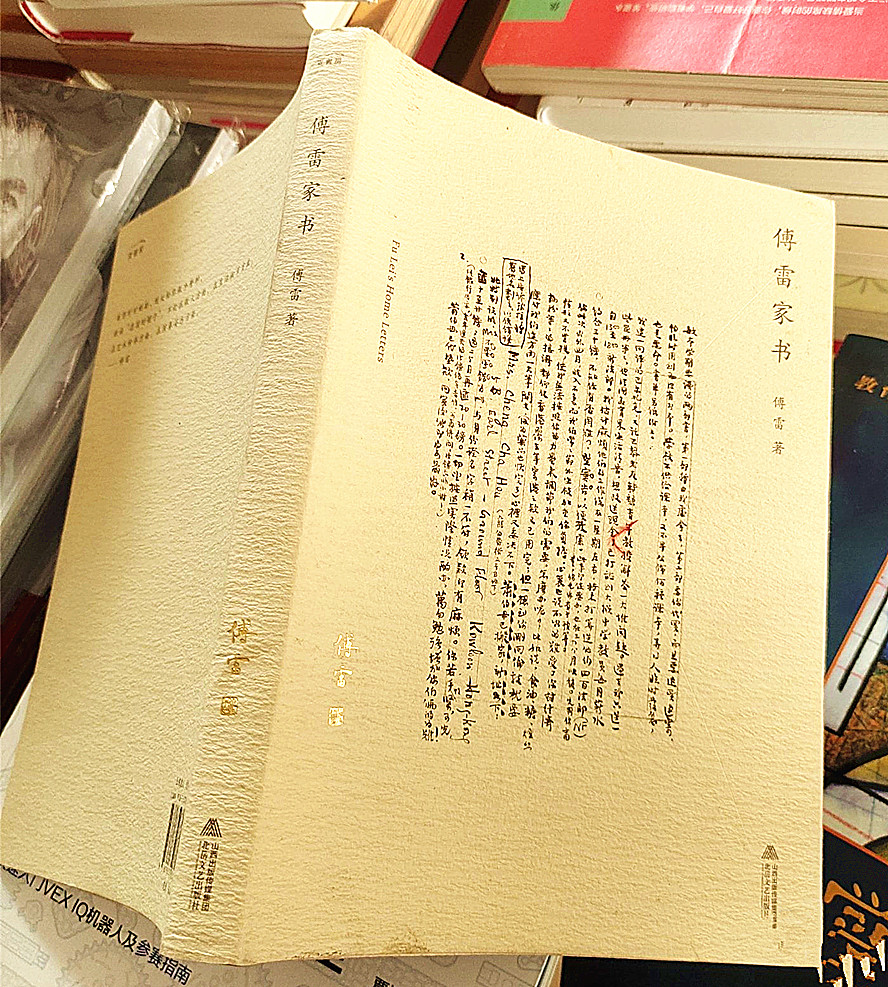
| 傅聪演奏肖邦的唱片 | ||||||||||||||||||||||||
 |
||||||||||||||||||||||||
| 《傅雷家书》辑录了傅雷夫妇1954至1966年间写给儿子傅聪的家信。它不仅是饱含深情的父子私语,更是一部关于艺术、人生与品德的深沉教科书。书中强调“先为人,后为艺术家”的理念,将深厚的爱国情怀、东方的处世哲学与西方的艺术修养完美融合,影响了几代中国家庭的精神成长。 | ||||||||||||||||||||||||
| "Letters from Mr. Fu Lei" collects the letters written by Fu Lei and his wife to their son Fu Ts'ong from 1954 to 1966. It is not only a heartfelt conversation between father and son, but also a profound textbook on art, life and morality. The book emphasizes the concept of "first be a person, then an artist", integrating deep patriotic feelings, Eastern philosophy of life and Western artistic cultivation, and influencing the spiritual growth of several generations of Chinese families. | ||||||||||||||||||||||||
| 谈起了《傅雷家书》。傅聪说,透过父亲写给他的那么多家书,足以看出父亲是一个非常热情的人,充满父爱的人。《家书》谈的是做人的原则、艺术的修养。父亲既热情,又细致,细小到衣、食、住、行都要管,什么都替你想到了。傅聪很坦率地说,有优点必然有缺点,他以为父亲过于严格、镇微。他大笑道,幸亏他一半像父亲,另一半像母亲,他从母亲那里继承了宽容、乐天的品格。 | ||||||||||||||||||||||||
| The topic of "Frye's Family Letters" was brought up. Fu Ts'ong said that by reading all those letters his father wrote to him, one could clearly see that his father was a very passionate person, full of fatherly love. The "family letters" discussed principles of being a person and the cultivation of art. His father was both passionate and meticulous, even down to taking care of every detail such as clothing, food, housing, and transportation, thinking of everything for his son. Fu Cong said candidly that having advantages inevitably means having disadvantages. He thought his father was too strict and stern. He laughed and said, fortunately, he was half like his father and half like his mother. He inherited the forgiving and optimistic character from his mother. | ||||||||||||||||||||||||
|
|
||||||||||||||||||||||||
 |
||||||||||||||||||||||||
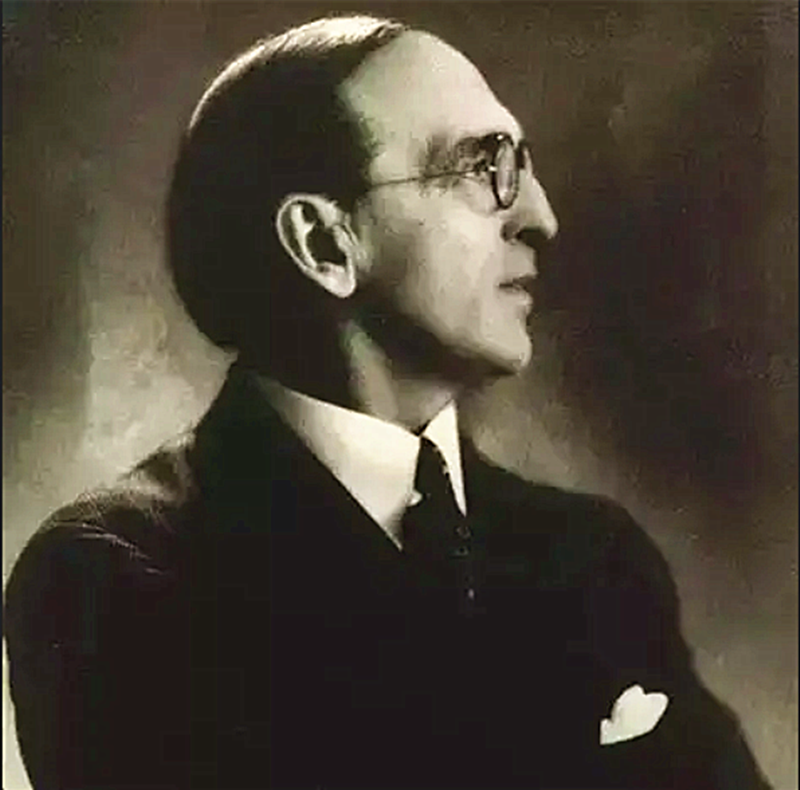
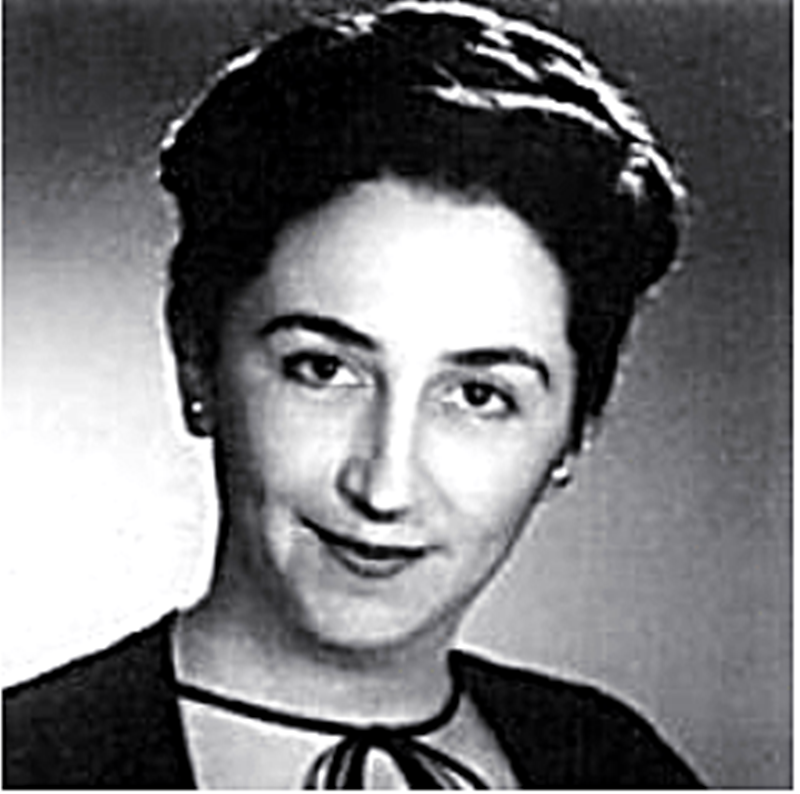
| 梅·百器(Mario Paci,1878-1946) | ||||||||||||||||||||||||
|
梅·百器(Mario
Paci,1878年-1946年),意大利钢琴家、指挥家,生于佛罗伦萨。7岁学钢琴,14岁师从李斯特弟子斯加姆巴蒂,1895年获李斯特国际钢琴比赛大奖。1896年经普契尼推荐入米兰音乐学院,后任米兰三大歌剧院副指挥。1902年起全球巡演,1919年出任上海工部局乐队指挥。任职期间引进欧洲乐师,将工部局乐队发展为“远东第一”交响乐团,首演黄自《怀旧》等作品。1925年推动工部局允许中国人观看交响音乐会,1927年吸收谭抒真等首批中国演奏员。1937年起与吴乐懿等中国音乐家合作演出。1942年拒绝日军改组要求后辞职,1946年病逝于上海。培养傅聪等中国学生,留存有1945年与中国学生合影。 梅·百器先生41岁来华,共培养了55名学生,其中47名为中国学生,包括傅聪、巫漪丽、吴乐懿等代表性音乐家。其门下还包括朱工一、董光光等钢琴教育先驱。乐队乐师的学生谭抒真、黄贻钧、陈又新、徐威麟四位中国年轻人正式加入乐团,成为了上海交响乐团历史上首批中国演奏员。 |
||||||||||||||||||||||||
|
||||||||||||||||||||||||
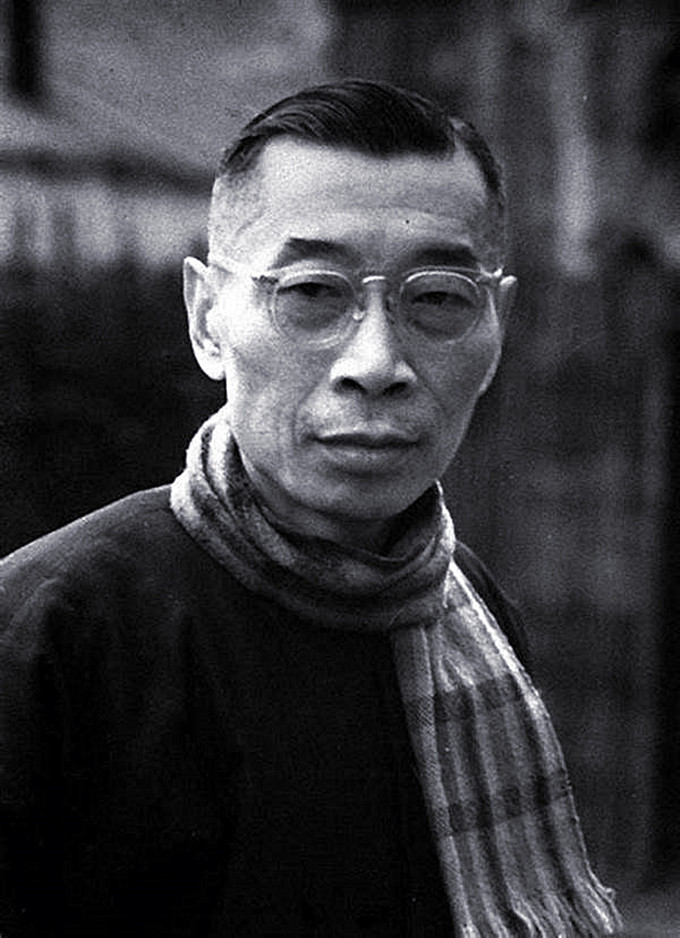
| 傅聪的父亲傅雷(Fu lei ) | ||||||||||||||||||||||||
| Fu Ts'ong 's father Fu lei | ||||||||||||||||||||||||
|
傅雷(1908年4月7日-1966年9月3日),字怒安,号怒庵,生于原江苏省南汇县下沙乡(今上海市浦东新区航头镇),中国翻译家、作家、教育家、美术评论家,中国民主促进会(民进)的重要缔造者之一。 傅雷早年留学法国巴黎大学。他翻译了大量的法文作品,其中包括巴尔扎克、罗曼·罗兰、伏尔泰等名家著作。20世纪60年代初,傅雷因在翻译巴尔扎克作品方面的卓越贡献,被法国巴尔扎克研究会吸收为会员。傅雷在“文化大革命”之初,受到巨大迫害。1966年9月3日凌晨,愤而离世,夫人朱梅馥亦自缢身亡。 他的全部译作,经家属编定,交由安徽人民出版社编成《傅雷译文集》,从1981年起分15卷出版,现已出齐。 |
||||||||||||||||||||||||
|
Fu lei (April 7, 1908 -- September 3, 1966), styled
nu 'an and styled nu 'an, was born in xiasha
township, nanhui county, jiangsu province (now
hangtou town, pudong new area, Shanghai). A Chinese
translator, writer, educator, art critic, and one of
the key founders of the China Democratic Promotion
Association (CAPD). Fu lei studied in Paris university in his early years.He translated a large number of French works, including Balzac, romain rolland, voltaire and other famous works.In the early 1960s, for his outstanding contribution to the translation of Balzac's works, he was admitted as a member of the Balzac research institute in France.Fu lei suffered great persecution at the beginning of the "cultural revolution".September 3, 1966 early morning, anger and died, his wife zhu meifu also hanged himself. All his translated works were compiled by his family and compiled by anhui people's publishing house into fu lei's translated anthology, which has been published in 15 volumes since 1981. |
||||||||||||||||||||||||
傅聪演奏的 莫扎特第27钢琴协奏曲 K595-第一乐章 |
||||||||||||||||||||||||
| Fu Ts'ong's performance of Mozart's Piano Concerto No. 27 K595, the second movement | ||||||||||||||||||||||||
傅聪演奏的 莫扎特第27钢琴协奏曲 K595 第二乐章 |
||||||||||||||||||||||||
| Fu Ts'ong's performance of Mozart's Piano Concerto No. 27 K595, the second movement | ||||||||||||||||||||||||
傅聪演奏的 莫扎特第27钢琴协奏曲 K595-第三乐章 |
||||||||||||||||||||||||
| Fu Ts'ong's performance of Mozart's Piano Concerto No. 27 K595 - the third movement | ||||||||||||||||||||||||
| 傅聪在香港访谈中介绍莫扎特第二十七钢琴协奏曲 | ||||||||||||||||||||||||
| Fu Ts'ong introduced Mozart's 27th Piano Concerto in an interview in Hong Kong. | ||||||||||||||||||||||||
|
傅聪没马上回答,紧嘬三口烟斗,舒心地吐了一口烟,说:“要知道,《第二十七钢琴协奏曲》是莫扎特的晚年作品。” “晚年?他那时才30多岁!” “是呀,他就活了30多岁。那时,是他写《安魂曲》前后。我理解这时他的灵魂已经踩着天堂的门槛了,这是他在回望他的一生。所以,处理这部作品和弹他早期作品有很大不同。虽然都是优美,早期是那种无忧无虑的活泼天真,这个作品就有了忧思,有一种悲剧气氛在里头。有些小孩少年弹这个作品技术上没一点问题,非常流丽,但弹不出味,因为他的生命还是朝阳时期,还体会不出莫扎特晚年的这种心境。” 听傅聪一席话,解决了我听他弹莫扎特的疑问。但我还有一个疑问是对莫扎特的,30多岁,正是人生的晌午,他怎么就自知自己活不过35岁?钢琴家古尔德50岁重新录制巴赫的勃兰登堡变奏曲,在他死后,有人说他弹此曲时已自知将不久于人世,所以这也是他的“安魂曲”。我觉得这有很多的臆想成分。 |
||||||||||||||||||||||||
|
Fu
Ts'ong did not answer immediately, took three sips of
his pipe, breathed out a puff of smoke comfortably,
and said: "You know, the Twenty-seventh Piano
Concerto is a work of Mozart in his later years." "Old age? He was in his 30s!" "Yes, he lived for over 30 years. It was around the time he wrote the Requiem. I understood that his soul was now on the threshold of heaven, and that he was looking back at his life. So, dealing with this work is very different from playing his earlier work. Although they are beautiful and carefree in the early days, this work has a melancholy, a tragic atmosphere in it. Some children and teenagers play this work technically without any problems, very beautiful, but they can not play the taste, because his life is still in the sunrise period, and they can not understand the mood of Mozart in his later years." Listening to Fu Cong's words solved my doubts about listening to him play Mozart. But I still have a question for Mozart, in his 30s, it is the middle of the day, how did he know he would not live to be 35? Pianist Gould re-recorded Bach's Brandenburg Variations at the age of 50. After his death, some people said that he played this piece knowing that he was going to die soon, so it was also his "requiem." I think there's a lot of imagination involved. |
||||||||||||||||||||||||
|
|
||||||||||||||||||||||||
| 未得原作者编者授权严禁转载www.mt77.com任何内容 | ||||||||||||||||||||||||









|
|
|
||||||
|
copyright © 2003-2005 xilu.com all rights reserved. |
||||||
|
|
||||||

