|
||||||||||||||||||||||||||
 |
 |
|||||||||||||||||||||||||
|
|

|
||||||||||||||||||
|
|
|
|||||||||||||||||
| 阿诺尔德·勋伯格(Arnold Schoenberg 1874-1951) | ||||||||||||||||||
|
|
||||||||||||||||||
|
阿诺德·勋伯格 Arnold Schoenberg:小提琴协奏曲 作品36号 Michael Barenboim,violin Vasily Petrenko,conductor Berliner Phiharmoniker |
||||||||||||||||||
|
音乐历史上的今天 1930年2月1日,由阿诺德·勋伯格和他的妻子葛特鲁德( Gertrud)共同创作的一部讲述婚姻不忠的喜剧《朝夕之间》(Von Heute auf Morgen)在法兰克福上演,指挥是威廉·斯坦伯格(William Steinberg)。勋伯格说:“今晚您的演绎和我写的乐谱之间所存在的不同,简直可以产生一部新的歌剧出来。” 阿诺尔德·勋伯格(Arnold Schoenberg 1874-1951),美籍奥地利作曲家,20世纪实验音乐的代表人物,十二音体系的创立者。1 8 7 4年9月1 3日,他出生在奥地利的音乐之都——维也纳。勋伯格的父亲是个犹太裔鞋商,父母都没有什么音乐特长。然而勋伯格和弟弟妹妹都颇具天赋。勋伯格8岁开始学习演奏小提琴,1 2岁已经拉得非常出色。但由于早年丧父,家庭贫困,勋伯格无法完成学业,就当了一名银行职员。工作期间,他一直苦学不辍,业余时间还参加了策姆林斯基组织和指挥的乐队。这位指挥发现了勋伯格的才华,预感到他前程远大,于是主动地对他进行系统的音乐教育,教他和声、对位。两个人在教与学中结成了深厚的友谊。日后,当勋伯格成为一代大师时,他把一切都归功于策姆林斯基的帮助。 1901年1 0月,勋伯格和策姆林斯基的妹妹玛蒂尔德结婚。婚后,为筹措日常开销,他们迁居柏林以谋生计。这时,勋伯格遇到了理查·施特劳斯,他带着自己新写的《古列之歌》的一些片段和交响诗《佩利亚斯与梅丽桑德》去请教理查·施特劳斯。勋伯格的作品给这位作曲家留下了极深的印象。他利用自己的地位和影响,为勋伯格争得了“李斯特奖学金”,并为他谋得了在斯特恩音乐学院教作曲的职位。1904年,勋伯格回到维也纳,和策姆林斯基组织了一个“音乐创作者协会”,他们设法请了马勒做他们的名誉主席。一次,马勒听了《升华之夜》的排练,对这部作品大为赞扬,从此他成了勋伯格的一个坚定不渝的支持者。新成立的协会仅存在一个演出季,但就在这点时间内他们成功地演出了马勒、理查·施特劳斯、策姆林斯基和勋伯格的一些 相当大型的作品。 一段时期以来,勋伯格总是感到自己一受到了传统的形式和技巧的抑制,于是便开始抛弃浪漫主义和瓦格纳主义,使自己的音乐从自然音阶的枷锁中摆脱出来,甚至从调性中摆脱出来 。190 7年,他在《第二弦乐四重奏》的第四乐章中第一次采用了无调性;1909年,他又写出了第一个完全摒弃调性的作品《钢琴曲三首》,从此,他的音乐越来越大胆地沿着无调性与不协和的道路迈进,并力求做到质朴、经济、客观,其目的在于把音乐缩减到一些音乐要素,且尽可能摒除主观感觉和个人的自我表现。勋伯格这一时期的主要作品还有《五首管弦乐曲》、音乐话剧《期待》、配乐朗诵《月迷彼埃罗》和配乐戏剧《幸福之手》等。然而,勋伯格的这些新作在维也纳的听众中几乎每次都引起了谴责的风暴。在当时的维也纳,古老的音乐传统似乎并不属于历史和往昔 ;这里到处散布着古典音乐家住过的房屋,古典名曲首次演出的剧院大厅;贝多芬或舒伯特曾用过晚餐的小旅店,海顿和舒伯特童年时代在唱诗班唱过歌的教堂。在这样的环境和音乐气氛中,虽然有马勒在公众中支持着,勋伯格的音乐还是遭到了普遍不理解的厄运。在这些不幸的年代里,勋伯格曾转而学习绘画,第一次世界大战爆发后,年过40的他曾在奥军中服役;困超龄退伍后,又奔波于维也纳和柏林之间,从事教课和讲学,过着清贫的生活。 1923年勋伯格的妻子逝世,他写了一首安魂曲,以表示哀悼;次年续弦,妻子是他的一个学生的姐姐科莉奇。1925年,勋伯格接受邀请,到柏林普鲁±艺术学院负责硕士班的作曲教学。1926年至1933年,勋伯格的生活较为安定,收入有所增加,创作也丰富起来,作品有《第三弦乐四重奏》和《乐队变奏曲》等。 1951年7月13日,勋伯格在洛杉矶逝世。勋伯格对于人类的贡献,在于音乐教学和作曲两个方面。 今日视频:1、迈克尔·巴伦勃依姆演奏《勋伯格小提琴协奏曲 》OP.36;2、小泽征尔指挥勋伯格《升华之夜》Op.4;3、讲解勋伯格《升华之夜》。 |
|
|||||||||||||||||
 |
||||||||||||||||||
| 阿诺德·勋伯格,1949年。照片由盖蒂图片社提供。 | ||||||||||||||||||
| Arnold Schoenberg, 1949. Photo by Getty Images | ||||||||||||||||||
 |
||||||||||||||||||
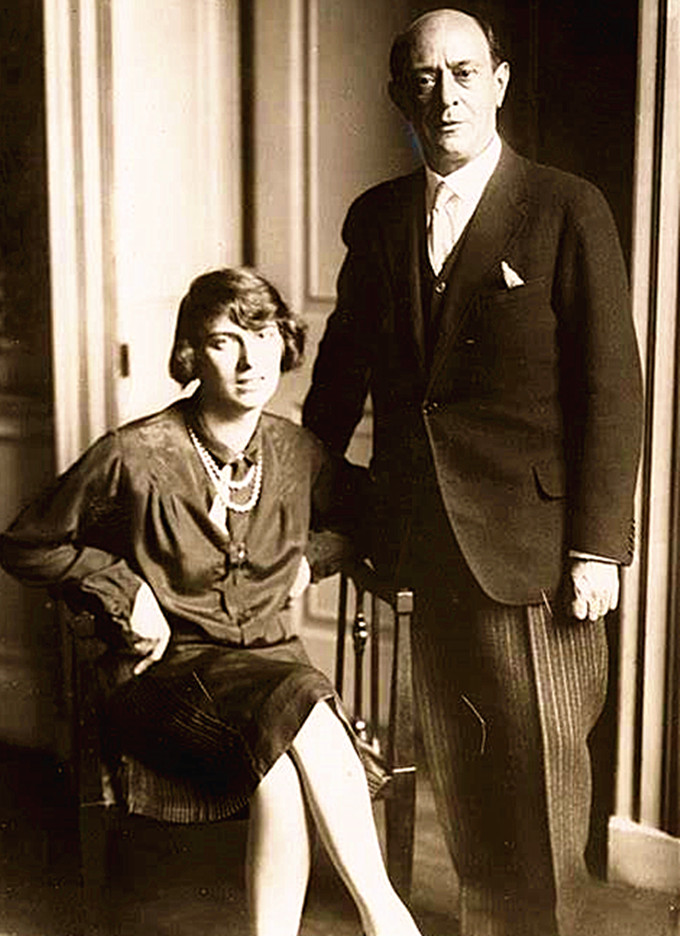
| 阿诺德·勋伯格和夫人 | ||||||||||||||||||
 |
||||||||||||||||||
|
1874 年 9 月 13
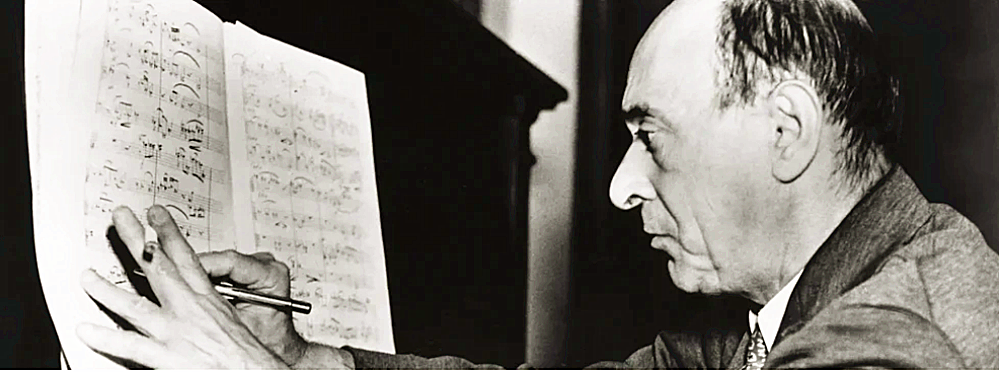
日,阿诺德·勋伯格出生于维也纳。1951 年 7 月 13 日,他在洛杉矶与世长辞。 September 13, 1874, the birth of Arnold Schoenberg, Vienna. He died on July 13, 1951, Los Angeles. |
||||||||||||||||||
| 阿诺德·勋伯格鲜为人知的故事 | ||||||||||||||||||
|
阿诺德·勋伯格(Arnold
Schoenberg,1874–1951)是20世纪最具颠覆性和影响力的作曲家之一,他的音乐创作、理论贡献和教学成就彻底改变了西方音乐的发展轨迹。以下是他的重要成就与一些鲜为人知的经历。 一、音乐创作与理论重要成就 1. 无调性音乐的开拓者 · 在1908–1909年的作品《第二弦乐四重奏》和《三首钢琴曲》(Op.11)中,勋伯格彻底打破传统调性,进入“无调性”领域。这一时期代表作还有声乐套曲《月迷彼埃罗》(1912),以“诵唱”手法和极端的情感表达震惊乐坛。 · 无调性音乐解放了不协和音,使所有音高关系平等,为音乐表现开辟了全新可能。 2. 十二音技法(十二音列)的创立 · 1920年代初期,勋伯格系统化地提出“十二音作曲法”,代表作品如《钢琴组曲》(Op.25)。该技法将十二个半音排列成固定音列,通过倒影、逆行等变形进行创作,既保证结构严谨,又避免调性中心。 · 这一体系影响了贝尔格、韦伯恩等弟子,并成为二战后序列主义音乐的理论基础。 3. 晚期融合传统与现代的探索 · 移居美国后(1933年起),他的作品在保留十二音技法的同时,偶尔融入调性元素,如《华沙幸存者》(1947)以震撼的叙事性控诉战争,成为二战后的标志性作品。 · 未完成的歌剧《摩西与亚伦》探索了宗教、哲学与艺术的冲突,被视为20世纪歌剧的巅峰之一。 二、教学与理论贡献 1. 核心教学理念:理论服务于创作 · 勋伯格强调“作曲是可教的”,反对僵化的教条。他的教学注重对位、曲式分析和耳朵训练,代表作《和声学》(1911)提出“和声的演变是历史必然”,挑战了传统和声规则。 · 他强调音乐表达的“内在必然性”,鼓励学生找到个人声音。 2. 培养一代先锋作曲家 · 在维也纳和柏林的教学圈中,他指导了阿尔班·贝尔格(《沃采克》)、安东·韦伯恩(点描主义先驱),三人被称为“第二维也纳乐派”。 · 流亡美国后,在 UCLA 和 USC 任教,影响了约翰·凯奇等美国作曲家。 3. 理论著作与思想传播 · 《作曲基本原理》《结构功能》等著作系统化了他的音乐思想,至今仍是重要教材。他强调“音乐逻辑”优先于感性直觉,为现代音乐分析奠定了基础。 三、鲜为人知的经历与侧面 1. 画家与视觉艺术家 · 勋伯格也是一位表现主义画家,创作了70多幅自画像和幻想题材作品,与康定斯基交往密切。1910年在维也纳举办画展,康定斯基曾邀请他参与“蓝骑士”艺术团体。 2. 占星术与神秘主义倾向 · 他痴迷数字命理和占星术,甚至用出生日期分析历史人物。创作中常有数字象征(如《月迷彼埃罗》的7首诗对应7个音),并相信“13”与自己命运相关(生于13日,卒于13日)。 3. “预言”般的恐惧与生存危机 · 因犹太身份和现代音乐引发的争议,他长期活在被迫害的恐惧中。1910年代创作《雅克布之梯》时已预感灾难,1933年纳粹上台后流亡美国,躲过大屠杀,但其作品被纳粹列为“颓废艺术”。 4. 发明“音乐棋”与符号系统 · 他设计了一种类似棋盘的作曲工具“音乐棋”,通过移动棋子生成音列变体,试图将创作过程游戏化。晚年还尝试为十二音技法设计特殊记谱法。 5. 网球爱好者与社交矛盾 · 勋伯格热爱打网球,甚至在流亡洛杉矶时与托马斯·曼等文化名人在球场社交。但他性格多疑,曾因理念分歧与弟子韦伯恩疏远,并因托马斯·曼小说《浮士德博士》影射其经历而公开绝交。 四、历史评价 勋伯格生前饱受争议,被保守听众视为“音乐的毁灭者”,但他以理性体系重构音乐语言的努力,重塑了20世纪艺术音乐的格局。他的教学将现代音乐思想制度化,影响了从布列兹到里盖蒂的几代作曲家。如今,他被公认为与斯特拉文斯基、巴托克并肩的现代音乐奠基人。 勋伯格的一生交织着颠覆传统的勇气、自我挣扎的焦虑,以及对艺术真理的执着探索。他曾说:“艺术源于必然,而非欲望。” 这句话或许正是他复杂遗产的最佳注解——在打破调性“暴政”的同时,以严密的逻辑为自由赋予形式 |
||||||||||||||||||
 |
||||||||||||||||||
|
奥地利作曲家兼教授阿诺德·肖伯恩是开创了一种基于十二音序列的新作曲方法的先驱,这种方法与调性音乐中的和声关系截然不同。 阿诺德·弗朗茨·沃尔特·肖伯恩于 1874 年 9 月 13 日出生在奥地利维也纳,他的父亲是萨穆埃尔·肖伯恩——维也纳利奥波德施塔特区一家小型鞋店的老板,当时该地区以犹太人为主;母亲是保罗琳·肖伯恩(原名纳霍德),是一位钢琴教师。 |
||||||||||||||||||
|
O compositor e
professor austríaco Arnold Schoenberg foi o criador de um novo método de
composição baseado em séries de doze sons, ao contrário das relações
harmônicas da composição tonal. Nascido em 13 de setembro de 1874 em Vienna, na Áustria, Arnold Franz Walter Schoenberg era filho de Samuel Schoenberg – dono de uma pequena sapataria no distrito de Leopoldstadt, então predominantemente judeu, de Viena – e Pauline Schoenberg (nascida Nachod), professora de piano. |
||||||||||||||||||
 |
||||||||||||||||||
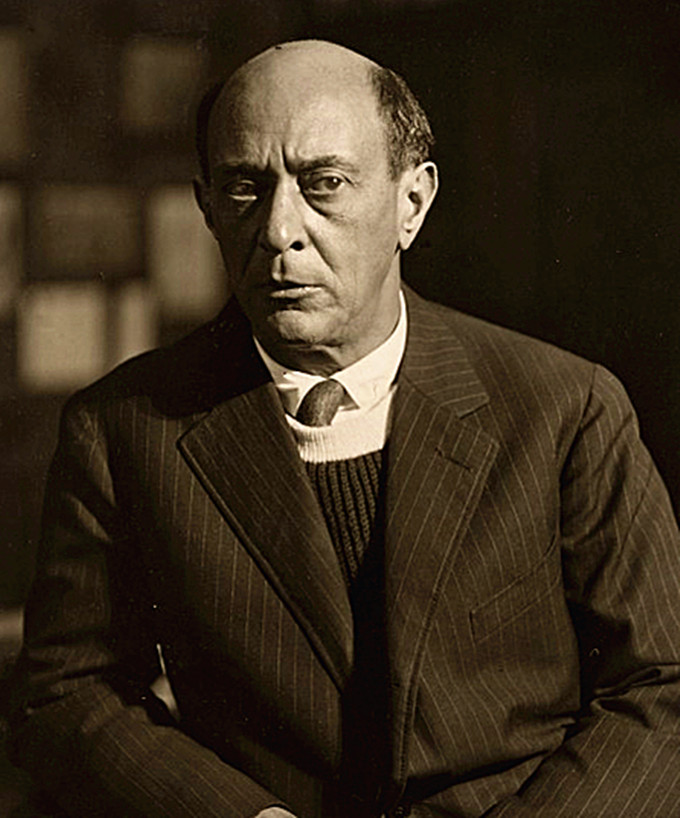
| 勋伯格个人经典 | ||||||||||||||||||
|
《升华之夜》《乐队变奏曲》 卡拉扬指挥柏林爱乐乐团 在20世纪音乐的发展道路上,勋伯格早期创作的《升华之夜》被认为是一个重要的里程碑。为求得调性的解放,勋柏格的中期创作勇于实践,作品转向“无调性”,令人难以接受。但在20年代,他终于完成了“十二音体系” 阿诺尔德·勋伯格相关书籍 的探索,音乐便又重新获得了秩序。而他用这种新秩序作成的第一件完整编制的乐队作品,便是这首1928年9月定稿的《乐队变奏曲》。富尔特温格勒在柏林指挥了它的首演。全曲由引子、主题、九段变奏和一个终曲组成。接近印象派风格的引子朦朦胧胧地滑向后边仅有24小节的主题,大提琴平静地将它奏出,十二音的曲调清晰可辨。然后是这个主题的九段变奏,手法多变,古老的卡农和“十二音”的“倒影”兼用,而且配器上引入竖琴、短笛、钢片琴、曼陀铃这类乐器,织体丰满而音响奇妙。最后的终曲将这一切归纳起来,并以引子中出现过的BACH主题贯穿其中,实现了“十二音”新秩序下的统一。总之,这肯定又是一个里程碑了。这张唱片演绎水准极高,录音也相当精致,可让听众一饱耳福。 《小提琴协奏曲》《钢琴协奏曲》 阿莫耶尔小提琴 彼得·塞金钢琴 布列兹指挥伦敦交响乐团 勋伯格先前曾是个激进的“先锋派”,而在他的晚年,创作屡有回归传统的倾向,写出了一系列相当精致的作品,其中很重要的就有这张唱片上的《小提琴协奏曲》和《钢琴协奏曲》。这也是勋伯格仅有的两首协奏曲,分别在1940年和1944年由斯托科夫斯基指挥了首演。海菲茨曾经拒绝首演这首小提琴协奏曲,而且当时的许多小提琴家都很抵触它,因为他竟然宣称这首乐曲是为将来“长了六个手指的演奏者”写的。当然,首演此曲的小提琴家克拉斯纳并没有长出第六个手指。《钢琴协奏曲》的首演就比较顺利了,它在和声和技巧上没让钢琴家们感到过于生冷。它是单乐章的,或者说是四个部分连续演奏,有明显的自传意味:生活本来是平坦的(行板),但某种仇恨突如其来(快板),重大的危机便接踵而至(柔板),可是生活还得继续下去…… |
||||||||||||||||||
 |
||||||||||||||||||
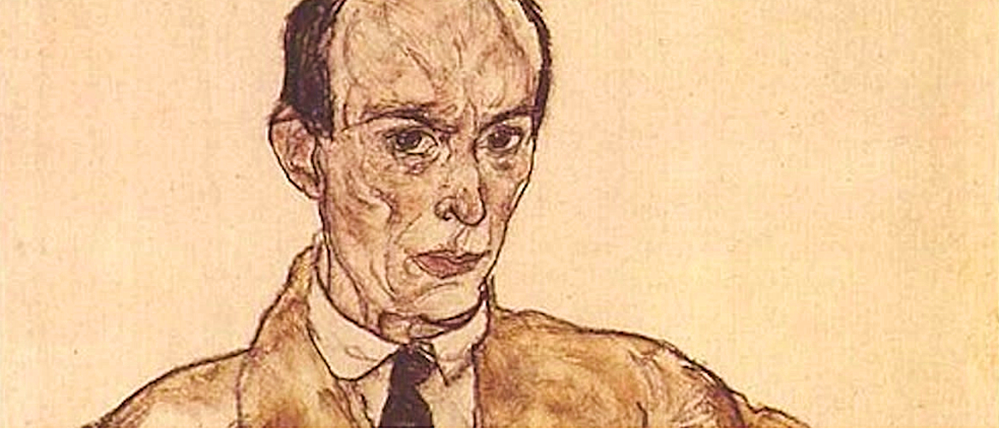
| 漫画阿诺德·勋伯格 | ||||||||||||||||||
 |
||||||||||||||||||
| 漫画阿诺德·勋伯格 | ||||||||||||||||||
| 作品描述 绘画“对我来说,就如同创作音乐一样。对我来说,这是一种表达自我的方式,是呈现情感、想法和其他感受的途径;而这或许就是理解这些画作的方式——或者不理解它们的方式。它们大概也会遭遇和我一样的命运;它们会遭到攻击、受到责备,我不知道还能说些什么:我的意思就是,它们会遭遇和我的音乐一样的命运。也就是说,会被理解或者不会被理解。事实上,正如我所说,我在绘画中表达自我的方式和在音乐中表达自我的方式是一样的。我从来都不擅长用语言来表达自己的情感或情绪。我不知道这是为什么我选择在音乐中表达,也为什么我在绘画中表达。或者反之:那就是我有这样一种宣泄的方式。我可以放弃用语言来表达某些东西。”(阿诺德·勋伯格,《关于绘画的博物馆演讲》,1949 年) | ||||||||||||||||||
 |
||||||||||||||||||
| 漫画阿诺德·勋伯格 | ||||||||||||||||||
| Artwork Description Painting “was to me the same as making music. It was to me a way of expressing myself, of presenting emotions, ideas, and other feelings; and this is perhaps the way to understand these paintings – or not to understand them. They would probably have suffered the same fate as I have suffered; they would have been attacked and scolded and I don’t know what else I should say: What I mean, the same would happen to them what happened to my music. This, I mean, would be understood or not understood. In fact, as I said, I expressed myself in the same manner as I did it in music. I never was very capable of expressing my feelings or emotions in words. I don’t know whether this is the cause why I did it in music and also why I did it in painting. Or vice versa: That I had this way as an outlet. I could renounce expressing something in words.” (Arnold Schönberg, Museum Talk on Painting, 1949) | ||||||||||||||||||
 |
||||||||||||||||||
| 阿诺德·勋伯格 150 周年纪念:十二音音乐的开创者与被驱逐的天才 | ||||||||||||||||||
| Arnold Schönberg zum 150er: Erfinder der Zwölftonmusik und vertriebenes Genie | ||||||||||||||||||
 |
||||||||||||||||||
| 多哥共和国发行的勋伯格纪念邮票 | ||||||||||||||||||
|
Today in music history On February 1, 1930, Von Heute auf Morgen (Von Heute auf Morgen), a comedy about marital infidelity co-written by Arnold Schoenberg and his wife Gertrud, was staged in Frankfurt. The conductor was William Steinberg. Schoenberg said: "The difference between your performance tonight and the score I wrote could almost produce a new opera." Arnold Schoenberg (1874-1951), an Austrian-American composer, a representative of experimental music in the 20th century, and the founder of the twelve-tone system. On September 13, 1874, he was born in Vienna, the musical capital of Austria. Schoenberg's father was a Jewish shoe dealer, and neither of his parents had any musical expertise. Yet Schoenberg and his younger siblings were gifted. Schoenberg started learning to play the violin at the age of 8, and at 12 he was already very good at it. However, due to the loss of his father at an early age and the poverty of his family, Schoenberg was unable to complete his studies and became a bank clerk. During his work, he has been studying hard, and in his spare time also participated in the band organized and conducted by Zemlinsky. The conductor discovered Schoenberg's talent and had a premonition that he had a great future, so he took the initiative to give him a systematic music education, teaching him harmony and counterpoint. The two formed a deep friendship in teaching and learning. Later, when Schoenberg became a master of the generation, he owed everything to Zemlinsky's help. In October 1901, Schoenberg married Zemlinsky's sister Mathilde. After marriage, in order to raise daily expenses, they moved to Berlin to make a living. At this time, Schoenberg met Richard Strauss, who brought some fragments of his newly written "Song of Gulie" and the symphonic poem "Pelleas and Melisande" to consult Richard · Strauss. Schoenberg's work left a deep impression on the composer. He used his position and influence to win a "Liszt Scholarship" for Schoenberg and a position for him to teach composition at the Stern Academy of Music. In 1904, Schoenberg returned to Vienna, and with Zemlinsky organized a "Society of Music Creators", who managed to have Mahler as their honorary president. Once, Mahler listened to a rehearsal of "Night of Ascension" and praised the work, and he has since become a staunch supporter of Schoenberg. The newly formed society existed for only one season, but during this time they successfully performed some rather large works by Mahler, Richard Strauss, Zemlinsky and Schoenberg. For a period of time, Schoenberg always felt that as soon as he was restrained by traditional forms and techniques, he began to abandon Romanticism and Wagnerism, and to free his music from the shackles of the diatonic scale, even from the tonality. Get rid of it. In 1907, he used atonality for the first time in the fourth movement of the "Second String Quartet"; in 1909, he wrote the first work "Three Pieces of Piano Pieces" that completely abandoned the tonality. Since then, his music has become more and more bold along the road of atonality and dissonance, and strives to be simple, economical, and objective. and personal self-expression. Schoenberg's main works during this period include "Five Orchestral Pieces", the musical drama "Expectation", the soundtrack reading "Pieiro the Moon" and the soundtrack drama "Hand of Happiness". Yet these new works by Schoenberg have almost always caused a storm of condemnation among the Vienna audience. In Vienna at the time, ancient musical traditions did not seem to belong to history and past; there were houses where classical musicians lived, theatre halls where classical masterpieces were performed for the first time; inns where Beethoven or Schubert had dinner, The church where Haydn and Schubert sang in the choir as children. In such an environment and musical atmosphere, despite Mahler's public support, Schoenberg's music was met with a doom that is generally incomprehensible. During these unfortunate years, Schoenberg turned to painting. After the outbreak of the First World War, he served in the Austrian army when he was over 40; Engaged in teaching and lecturing, living a poor life. In 1923 Schoenberg's wife died, and he wrote a requiem as a tribute to his condolences; the following year, his wife was Colic, the sister of one of his pupils. In 1925, Schoenberg accepted the invitation to teach composition for the master's class at the Prü± Academy of Arts in Berlin. From 1926 to 1933, Schoenberg's life was relatively stable, his income increased, and his creations were also enriched. His works included "The Third String Quartet" and "Variations for Orchestra". Schoenberg died in Los Angeles on July 13, 1951. Schoenberg's contribution to mankind lies in the two aspects of music teaching and composition. Today's video: 1. Michael Barenboim playing Schoenberg Violin Concerto, Op. 36; 2. Seiji Ozawa conducting Schoenberg's The Night of Sublimation op.4; 3. Explain Schoenberg's The Night of Sublimation. |
||||||||||||||||||
 |
||||||||||||||||||
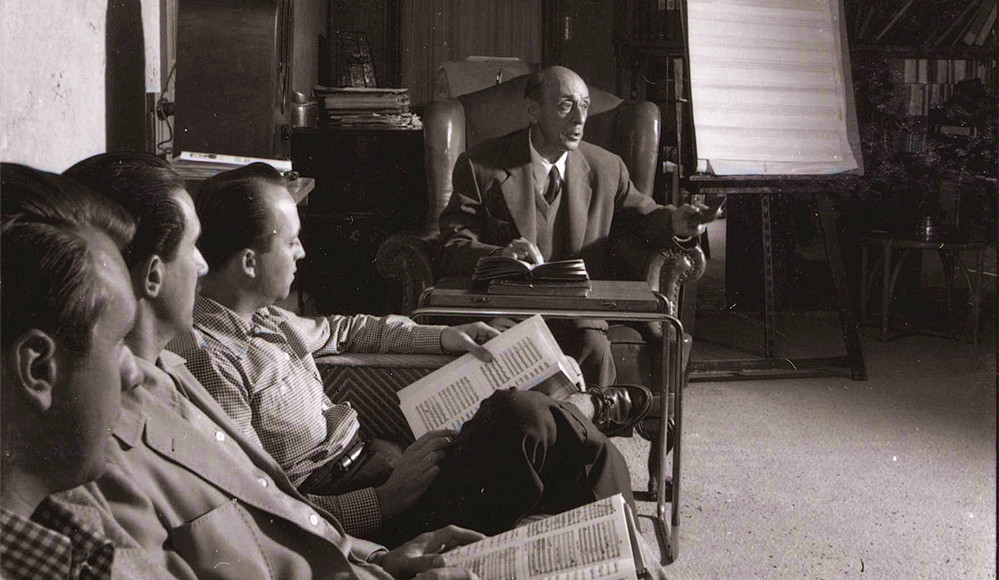
| 勋伯格和他的学生们 | ||||||||||||||||||
 |
||||||||||||||||||
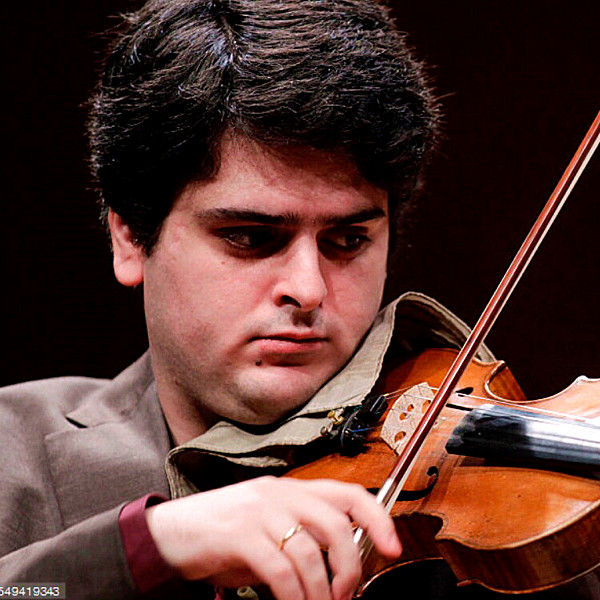
| 迈克尔·巴伦博伊(Michael Barenboim) | ||||||||||||||||||
| Michael Barenboim lets music, in its diverse and enduring ways, speak for itself through his violin. His performances are praised by the critics as “stunning”, “exciting, “utterly persuasive and breathtaking.” Committed to the core classical and romantic repertoire, he is deeply invested and specially recognized for his performances of the 20th century and contemporary repertoire. | ||||||||||||||||||
| 迈克尔·巴伦博伊姆让音乐以其多样而持久的方式,通过他的小提琴为自己代言。他的表演被评论家称赞为“惊人的”,“令人兴奋的”,完全有说服力和惊人的。“他致力于古典和浪漫的核心曲目,他对20世纪和当代曲目的表演有着深厚的感情和特别的认可。 | ||||||||||||||||||
【小泽征尔】勋伯格 升华之夜Op.4 |
||||||||||||||||||
【中字】讲解勋伯格《升华之夜》Schoenberg Verklärte Nacht Lecture 1 |
||||||||||||||||||
|
|
||||||||||||||||||
| 未得原作者编者授权严禁转载www.mt77.com任何内容 | ||||||||||||||||||








|
|
|
||||||
|
copyright © 2003-2005 xilu.com all rights reserved. |
||||||
|
|
||||||

