|
||||||||||||||||||||||||||
.png) |
 |
|||||||||||||||||||||||||
|
|

|
||||||||||||||||||
|
|
|
|||||||||||||||||
谢尔盖·拉赫玛尼诺夫(Sergei Rachmaninof 1873-1943) |
||||||||||||||||||
基里尔·格尔斯滕尼尔 谢尔盖·拉赫玛尼诺夫 Sergei Rachmaninov -c小调第二钢琴协奏曲 op. 18 (2016) |
||||||||||||||||||
|
Sergei Rachmaninov -Piano
Concerto No.2 in C minor, Op.18 谢尔盖·拉赫玛尼诺夫-c小调第二钢琴协奏曲 op. 18 (2016) 创作于二十世纪初,是其代表作之一,浪漫主义晚期作品,该曲保留了传统奏鸣曲结构,同时融入了民族元素和现代和声手法。拉赫玛尼诺夫通过此曲展现了从传统到现代的音乐过渡风格,既保留浪漫主义情感表达,又隐含对勋伯格等现代作曲家的探索。 钢琴: 基里尔·格尔斯滕尼尔 Kirill Gerstein piano 指挥:谢苗·比奇科夫Semyon Bychkov 乐队:柏林爱乐 曲目 I 中板,c小调,2/2拍子,奏鸣曲形式。 II 肃穆而舒缓的三部曲式。 III 诙谐的快板,C大调,2/2拍子,近乎于回旋曲。 |
||||||||||||||||||
|
|
||||||||||||||||||
|
音乐历史上的今天
1901年11月9日,拉赫玛尼诺夫在表兄亚历山大·西洛蒂 ( Alexan-der
Siloti)指挥莫斯科爱乐的伴奏下演奏了《C小调第二钢琴协奏曲》,却发现辉煌的首乐章“绝对令人反感”。该协奏曲题献给一位神经治疗师,他帮助拉赫玛尼诺夫走出了
《第一交响曲》受公众冷遇的阴影,之后《C小调第二钢琴协奏曲》成了20世纪最受欢迎的协奏曲。
谢尔盖·拉赫玛尼诺夫(Sergei Rachmaninof
1873年4月1日生于俄罗斯,1943年3月28日逝世),是二十世纪世界的古典音乐作曲家、钢琴家、指挥家。 |
|
|||||||||||||||||
 |
||||||||||||||||||
| 谢尔盖·拉赫玛尼诺夫(Sergei Rachmaninof ) | ||||||||||||||||||
| \\\拉二为什么能成为20世纪最受欢迎的协奏曲之一\\\ | ||||||||||||||||||
|
拉赫玛尼诺夫的《第二钢琴协奏曲》能成为20世纪最受欢迎的协奏曲之一,在于它深邃的旋律、宏大的情感张力,以及其背后深刻的人文共鸣。它并非简单地“好听”,而是精准捕捉了人类共通的忧郁与希望,并用高超的作曲技法将其升华为不朽的音响诗篇。 🎵 深入人心的旋律与情感内核 《第二钢琴协奏曲》(常简称为"拉二")的广受欢迎,首先源于其极易引发共鸣的旋律和情感表达。 · 忧郁与希望的交织:作品创作于拉赫玛尼诺夫走出因《第一交响曲》首演失败所致的严重抑郁后。这种从黑暗走向新生的个人经历,使得音乐中自然融合了忧郁的深沉与激昂的希望。这种复杂而真挚的情感,超越了时代和地域,能直接触动听者内心。 · 旋律大师的典范:拉赫玛尼诺夫被誉为旋律大师,这一点在"拉二"中体现得淋漓尽致。音乐中那些气息宽广、悠长而深情的旋律线条,诸如第二乐章那般"温柔内敛,饱含深情"的段落,令人过耳难忘。 · 影视传播的助力:音乐中强烈的叙事感和画面感,使其备受影视作品青睐,如《似曾相识》(亦译作《相见恨晚》)和《交响情人梦》等。这些影视作品的引用,极大地推动了这首乐曲在全球范围内的普及和"出圈"。 🎼 精湛的作曲技法与独特风格 "拉二"的成功,更根基于拉赫玛尼诺夫坚实而独特的音乐创作技法。 · 俄罗斯灵魂与浪漫气息:拉赫玛尼诺夫的音乐深深植根于俄罗斯音乐传统,作品中常带有浓郁的俄罗斯民族风情和气息宽广、旋律悠长的特点。同时,他也是晚期浪漫主义的代表人物,在20世纪现代音乐兴起的背景下,他"固执地守住浪漫主义最后的荣光",其音乐中"传统作曲技法与现代音乐语汇"相融合的"圆融之美",为听众保留了一份熟悉的听觉上的温暖与慰藉。 · 丰富的和声与节奏:他的音乐在和声上"对比强烈",情感表达丰富。同时,作品中节奏节拍的立体构成和特殊变化,也体现了其独特的创作理念,增强了音乐的张力和表现力。 · 钢琴与乐队的交响化处理:拉赫玛尼诺夫对钢琴和乐队的处理堪称一绝。"拉二"中钢琴部分技巧性与音乐性并重,既有宏大的"钟声"般的音响洪流,也有细腻的内心独白。同时,配器的精彩、交响化的乐音以及多声部交叠互动的精妙编排,使得整个作品音响丰满,色彩斑斓,极具感染力。 🌟 名家的演绎与诠释 一部伟大的音乐作品,离不开杰出演奏家的诠释与推广。"拉二"因其独特的艺术魅力,吸引了无数钢琴家倾情演绎。例如: · 钢琴大师拜伦·坚尼斯(Byron Janis) 于1958年录制的版本被公认为最佳版本之一,并获得企鹅评鉴三星带花的评价。 · 中国钢琴家郎朗也多次在世界顶级音乐厅演出此曲,将其视为"战马"曲目,他的演奏向全球转播,进一步扩大了作品的影响力。 这些不同风格、不同时代的杰出演绎,不断为"拉二"注入新的生命力,使其常演常新。 💎 为何说他的音乐不止于"好听" 关于拉赫玛尼诺夫的音乐,确实存在认为其"过于甜美"甚至"过分迎合"听者的批评。然而,这种看法可能忽略了其音乐深处的复杂性。 1. 个人特质的深刻烙印:拉赫玛尼诺夫的音乐具有强烈的个人特质,其作品几乎可视为他本人的音乐自传。他的性格中既"渴求他人关注又热衷体尝孤寂",这种矛盾心理反映在音乐中,便形成了"光暗对撞、起落跌宕乃至欲说还休"的复杂特质。这远非"甜美"可以概括。 2. 悲剧色彩的深度:他的许多作品,包括"拉二",都带有一定的悲剧性色彩。这种悲剧性并非无病呻吟,而是源于他个人的经历、所处的时代以及俄罗斯民族音乐中特有的忧郁气质。音乐中"抑郁与热情"的交织,是需要细细品味的。 3. 技巧与内涵的平衡:尽管"拉二"旋律动人,但其演奏技巧要求很高,音乐结构宏大,情感层次丰富。它既能满足专业人士对技巧和深度的追求,又能以其动人的旋律吸引普通听众,这种雅俗共赏的特性正是其伟大之处。 因此,拉赫玛尼诺夫《第二钢琴协奏曲》的成功,是真挚的情感、高超的技法、深刻的内涵与广泛传播共同作用的结果。它之所以能跨越百年,至今仍深受喜爱,正是因为它不仅"好听",更能在不同心境下,与听者进行深层的情感对话,予人慰藉与力量。——莫扎特之旅 |
|
|||||||||||||||||
 |
||||||||||||||||||
| 拉赫玛尼诺夫第二钢琴协奏曲是我最喜欢的协奏曲,这个CD伴随我三十多年了,还是社科院的王晓春送给我的,田元 的妈妈也从怀田元时就开始听,超喜欢! | ||||||||||||||||||
| Rachmaninoff's Second Piano Concerto is my favorite concerto. This CD has been with me for over thirty years. It was given to me by Wang Xiaochun from the Academy of Social Sciences. Tan Yuan's mother has been listening to it since she was pregnant with Tian Yuan. She loves it so much! | ||||||||||||||||||
 |
||||||||||||||||||
| 拉赫玛尼诺夫第二钢琴协奏曲是我最喜欢的协奏曲,这个CD伴随我三十多年了,还是社科院的王晓春送给我的,田元 的妈妈也从怀田元时就开始听,超喜欢! | ||||||||||||||||||
| Rachmaninoff's Second Piano Concerto is my favorite concerto. This CD has been with me for over thirty years. It was given to me by Wang Xiaochun from the Academy of Social Sciences. Tan Yuan's mother has been listening to it since she was pregnant with Tian Yuan. She loves it so much! | ||||||||||||||||||
 |
||||||||||||||||||
| 谢尔盖·拉赫玛尼诺夫(Sergei Rachmaninof ) | ||||||||||||||||||
| Rachmaninoff's "Second Piano Concerto" has become one of the most popular concertos of the 20th century because of its profound melody, grand emotional tension, and the deep humanistic resonance behind it. It is not simply "pleasant to listen to", but precisely captures the common human melancholy and hope, and elevates it to an immortal sonic poem through superb composition techniques. 🎵 Melodic and emotional core "The Second Piano Concerto" (often simply referred to as "Rach II") has gained popularity primarily due to its easily resonant melody and emotional expression. · The interweaving of melancholy and hope: This work was composed after Rachmaninoff emerged from the severe depression caused by the premiere of his "First Symphony". This personal experience of moving from darkness to new life naturally merged melancholy's depth with the passionate hope. This complex and sincere emotion transcends time and region, directly touching the listener's heart. · Master of melodies: Rachmaninoff is hailed as a master of melodies, and this is most evident in "Rach II". The wide-panning, long and deeply emotional melody lines in the music, such as the "gentle and restrained, full of deep emotion" sections in the second movement, are unforgettable. · The boost of media dissemination: The strong narrative and visual sense in the music make it favored in film and television works, such as "Like Old Friends" (also translated as "Meeting Long Expected") and "Dream of a Symphony Lover". The references in these film and television works have greatly promoted the global popularity and "going viral" of this piece. 🎼 Masterful composition techniques and unique style "The success of 'Rach II' is more rooted in Rachmaninoff's solid and unique musical composition techniques. · Russian soul and romantic atmosphere: Rachmaninoff's music is deeply rooted in Russian musical traditions, with works often featuring rich Russian ethnic flavor and wide-panning, long melodies. At the same time, he was also a representative figure of late Romanticism. In the context of the rise of modern music in the 20th century, he "stubbornly held onto the last glory of Romanticism", and the "harmonious beauty" of his music, which combines traditional composition techniques with modern musical vocabulary, retains a familiar auditory warmth and comfort for the audience. · Rich harmonies and rhythms: His music is "strongly contrasting" in harmony, with rich emotional expression. At the same time, the three-dimensional composition and special changes of the rhythm and beat in the work also reflect his unique creative concept, enhancing the tension and expressiveness of the music. · The symphonic treatment of piano and orchestra: Rachmaninoff's handling of the piano and orchestra is truly remarkable. The piano part in "Rach II" is a balance of technicality and musicality, featuring both the grand "bell-like" sound waves and delicate inner monologues. At the same time, the wonderful orchestration, symphonic sound, and the ingenious arrangement of multi-part overlapping interaction make the entire work rich in sound, colorful, and highly infectious. 🌟 Performances and interpretations by renowned artists A great musical work cannot be separated from the interpretation and promotion by outstanding performers. "Rach II" has attracted countless pianists to perform it with great passion. For example: · Piano master Byron Janis' 1958 recording is recognized as one of the best versions and received a three-star evaluation with a flower from Penguin Critics. · Chinese pianist Lang Lang has also performed this piece in world-class concert halls multiple times, regarding it as a "warhorse" piece, and his performance was broadcast globally, further expanding the influence of the work. These different styles and different eras of outstanding performances continuously inject new vitality into "Rach II", making it constantly popular and new. 💎 Why is it said that his music is more than just "pleasant"? Regarding Rachmaninoff's music, there are indeed criticisms that it is "too sweet" or "too catering to the audience". However, this view might overlook the complexity deep within his music. 1. Deep imprint of personal traits: Rachmaninoff's music has a strong personal flavor, and his works can almost be regarded as his musical autobiography. His personality is characterized by both "yearning for others' attention and being passionate about experiencing solitude", and this contradictory psychology is reflected in the music, resulting in a complex trait of "contrast of light and darkness, ups and downs, and even reluctant to express" that cannot be summed up by "sweetness". 2. Depth of tragic color: Many of his works, including "Rach 2", have a certain tragic color. This tragic nature is not a mere complaint without reason, but stems from his personal experiences, the era he lived in, and the melancholic temperament unique to Russian national music. The interweaving of "depression and passion" in the music requires careful appreciation. 3. Balance between technique and connotation: Although the melody of "Rach 2" is touching, its performance technique is very demanding, the musical structure is grand, and the emotional layers are rich. It can not only satisfy professionals' pursuit of technique and depth, but also attract ordinary listeners with its touching melody. This characteristic of being accessible to both the refined and the popular is precisely its greatness. Therefore, the success of Rachmaninoff's "Second Piano Concerto" is the result of the joint effect of sincere emotions, superb techniques, profound connotations, and wide dissemination. The reason why it can transcend a century and still be deeply loved to this day is that it not only "sounds good", but also can have a deep emotional dialogue with the listener in different moods, providing comfort and strength. — Mozart's Journey | ||||||||||||||||||
 |
||||||||||||||||||
| 1917年12月23日,44岁的拉赫玛尼诺夫永别俄罗斯,没有人为他送行,只有夏里亚宾为他准备了一些鱼子酱和自制的白面包。 | ||||||||||||||||||
| On December 23, 1917, at the age of 44, Rachmaninov left Russia for good, with no one to see him off, only Shariabin prepared some caviar and homemade white bread for him. | ||||||||||||||||||
 |
||||||||||||||||||
| 拉赫玛尼诺夫表哥钢琴家、指挥家亚历山大·西洛蒂(1863 - 1945) | ||||||||||||||||||
| Rachmaninoff's cousin, the pianist and conductor Alexander Siloti (1863 - 1945) | ||||||||||||||||||
| 亚历山大·西洛蒂(1863 - 1945)是 19 世纪末至 20 世纪初俄罗斯最杰出的钢琴家之一,但他的知名度却相对较低。作为音乐会推广人,他在 1903 至 1917 年的著名西洛蒂音乐会上向俄罗斯民众介绍了数十位作曲家的作品,其中包括阿尔贝尼兹、德彪西、德法雅、德尔伊乌斯、埃尔加、埃斯科诺、马勒和肖恩伯格等人的作品。西洛蒂是李斯特的学生(也是拉赫玛尼诺夫的老师之一),他是伟大钢琴演奏家时代发展进程中的重要人物。与他的许多同行一样,他将现有的音乐改编并为钢琴谱曲是其主要活动之一,由于他没有录制过唱片,他出版的改编曲是我们了解他音乐品味和理念的少数几个资料之一。 在一篇详细的传记文章中,查尔斯·巴伯博士探讨了这一问题,并清晰地论述了这位非凡人物的风格和影响力。亚历山大·西洛蒂收藏品以西洛蒂对约翰·塞巴斯蒂安·巴赫音乐的出色改编和编曲为主,尤其以其钢琴演奏风格和对巴赫独特“设计基因”的忠实呈现而著称。其中包含的巴赫作品有:B 小调前奏曲、BWV855a、Bb 大调组曲中的吉格舞曲、D 小调卡农、E 小调和 G 小调的管风琴前奏曲以及著名的 D 小调托卡塔与赋格曲、BWV 565。此外,这份包含格鲁克、莫扎特和肖邦作品的丰富钢琴作品集还融合了精湛的钢琴技艺。此次加入“大师收藏”系列的作品很可能会成为今年最受热议的钢琴专辑之一。(288 页,斯米斯缝合装订)。288 页。 | ||||||||||||||||||
 |
||||||||||||||||||
| 拉赫玛尼诺夫和他的表哥钢琴家、指挥家亚历山大·西洛蒂(1863 - 1945) 西洛蒂比拉赫玛尼诺夫大十岁,又是李斯特和老柴的学生,应该对拉氏有很大的帮助。 | ||||||||||||||||||
| Rachmaninoff and his cousin, the pianist and conductor Alexander Siloti (1863 - 1945), who was ten years older than Rachmaninoff and was also a student of Liszt and Tchaikovsky, should have been of great assistance to him. | ||||||||||||||||||
 |
||||||||||||||||||
| 拉赫玛尼诺夫表哥亚历山大·西洛蒂(1863 - 1945)是李斯特最喜爱的弟子 | ||||||||||||||||||
|
西奥蒂曾是弗朗茨·李斯特最喜爱的学生之一。他曾师从柴可夫斯基学习作曲,师从里姆斯基-科萨科夫学习配器,并且是谢尔盖·拉赫玛尼诺夫(他是他的堂兄)的老师。他还与画家莱昂·巴克斯特是夫妻关系,并与著名赞助人和艺术收藏家保罗·特雷亚科夫的女儿结为夫妻。西奥蒂出生于
1863 年,作为钢琴家拥有辉煌的职业生涯,曾在全国各地举办十场音乐会,并于 1898 年访问了美国。后来,他将精力转向了指挥工作。1903
年,他凭借妻子的丰厚财富在圣彼得堡创办了西奥蒂音乐节。从 1917
年起,该音乐节一直是一个永久性的节日活动,吸引了当时最著名的独奏家和指挥家:伊萨耶、卡萨尔斯、查利平、拉赫玛尼诺夫、奥尔、埃斯科诺、霍夫曼、尼希什、门格尔伯格、韦因加特纳……当代音乐作品也得到了充分展现,包括德彪西、埃尔加、西贝柳斯、马勒、里尔曼斯基-科萨科夫、普罗科菲耶夫、斯特拉文斯基等人的作品。西奥蒂沙龙是上流社会和音乐家、画家、作家和戏剧界人士最喜欢的聚会场所。 革命之后,布尔什维克党人给了西洛蒂诸多职务,包括管理马里内斯基剧院的工作,但动荡不安、暴力横行以及极度的苦难使他于 1919 年决定逃离该国。之后他失望地移居到了英国,1922 年又决定前往美国。他放弃了指挥工作,转而重新投身钢琴演奏事业,但经过几次巡回演出后,他在公开场合演出的次数越来越少。他最后一次的音乐会是在 1930 年 11 月与托斯卡尼尼指挥的纽约爱乐乐团合作举行。他仍处于艺术创作的巅峰状态,演奏了李斯特的两部作品(《恐怖之舞》和舒伯特《流浪幻想曲》的改编版)。次年,他在卡内基音乐厅又举办了一次独奏会,但从那以后,他主要致力于教学工作。1924 年,他接受了朱利亚学院的职位,并一直担任到 1942 年去世前的三年。他还曾在安索尼亚酒店自己的公寓里教授私教学生,那里就像过去一样,他仍接待着所有来自俄罗斯流散群体的艺术家,包括拉赫玛尼诺夫、斯特拉文斯基、库谢维茨基以及列昂·托尔斯泰的女儿。 |
||||||||||||||||||
 |
||||||||||||||||||
| 拉赫玛尼诺夫表哥亚历山大·西洛蒂(1863 - 1945)也是柴可夫斯基的学生 | ||||||||||||||||||
|
Siloti had been at one time Franz Liszt’s favorite student. He had
studied composition with Tchaikovsky and orchestration with
Rimsky-Korsakov, and had been the teacher of Sergei Rachmaninoff, who
was his cousin. He was also the brother-in-law of the painter Leon Bakst
and had married the daughter of Paul Tretyakov, the famous patron and
art collector. Born in 1863, he had had a brilliant career as a pianist,
spending ten years concertizing throughout Europe and touring the United
States in 1898. Siloti later devoted his time to conducting. In 1903, he
created the Siloti Concerts in St. Petersburg, thanks to his wife’s
considerable fortune. Until 1917, the programming was a permanent
festival, attracting the most prestigious soloists and conductors of
that time: Ysaÿe, Casals, Chaliapin, Rachmaninoff, Auer, Enesco,
Hofmann, Nikisch, Mengelberg, Weingartner… Contemporary music was
well-represented with works by Debussy, Elgar, Sibelius, Mahler, Richard
Strauss, Rimsky-Korsakov, Prokofiev, and Stravinsky. The Siloti Salon
was the favorite meeting place for high society and the artistic
avant-garde of musicians, painters, writers and theatre people. After the Revolution, the Bolsheviks offered Siloti various responsibilities, including the direction of the Mariinsky Theatre, but the rampant instability, violence and misery made him decide to flee the country in 1919. After a disappointing move to England, he decided to go to the United States in 1922. He had given up conducting and resumed his career as pianist, but after a few tours, he played less and less often in public. One of his last concerts was with the New York Philharmonic under Toscanini in November 1930. He was still at the peak of his artistry and performed two works by Liszt (the Danse Macabre and the arrangement of Schubert’s Wanderer Fantasy). He gave another recital at Carnegie Hall the next year but from then on, devoted himself mainly to teaching. He accepted a position at the Juilliard School in 1924, and held it until 1942, three years before his death. He also taught private students in his apartment at the Ansonia Hotel where – just as in the old days – he continued to receive all the artists of the Russian diaspora, including Rachmaninoff, Stravinsky, Koussevitsky, and the daughter of Leon Tolstoy |
||||||||||||||||||
 |
||||||||||||||||||
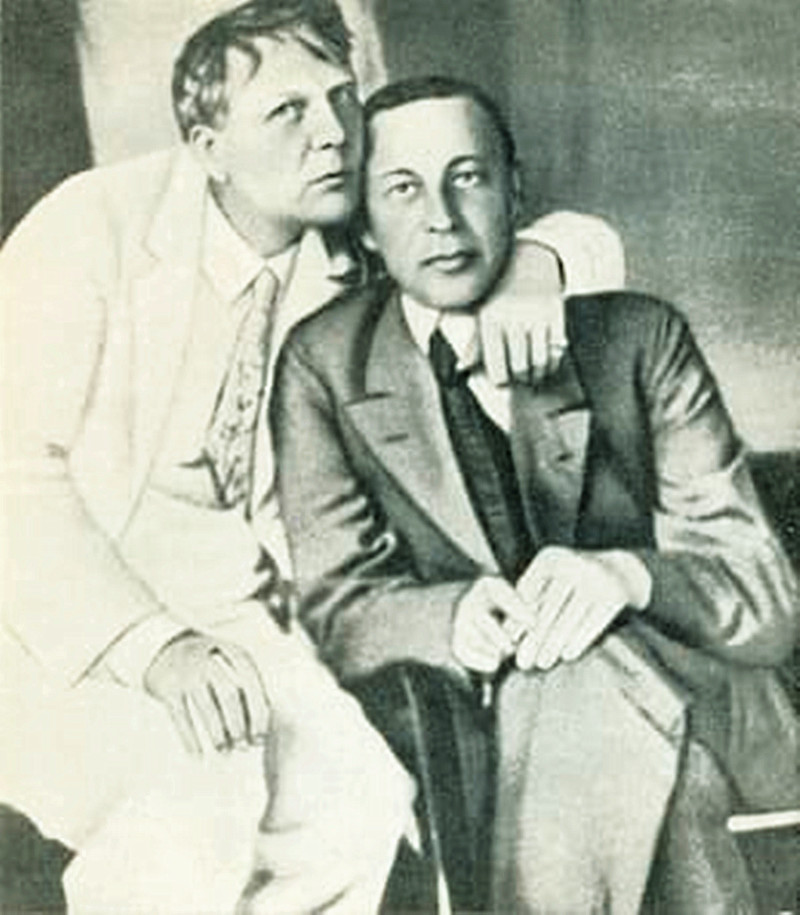
| 拉赫玛尼诺夫和夏里亚宾 | ||||||||||||||||||
| Rachmaninoff and Sharyarin | ||||||||||||||||||
 |
||||||||||||||||||
| 这张图片摄于1890年代末,画面为谢尔盖·拉赫玛尼诺夫和歌手费奥多尔·夏里亚宾。这张图片收藏于莫斯科的中央M. 格林卡音乐博物馆,仅供编辑使用。 | ||||||||||||||||||
|
This image
could have imperfections as it’s either historical or reportage. Sergei Rachmaninoff and Singer Feodor Chaliapin, End 1890s. Found in the collection of State Central M. Glinka Museum of Music, Moscow.Strictly for Editorial use only. |
||||||||||||||||||
 |
||||||||||||||||||
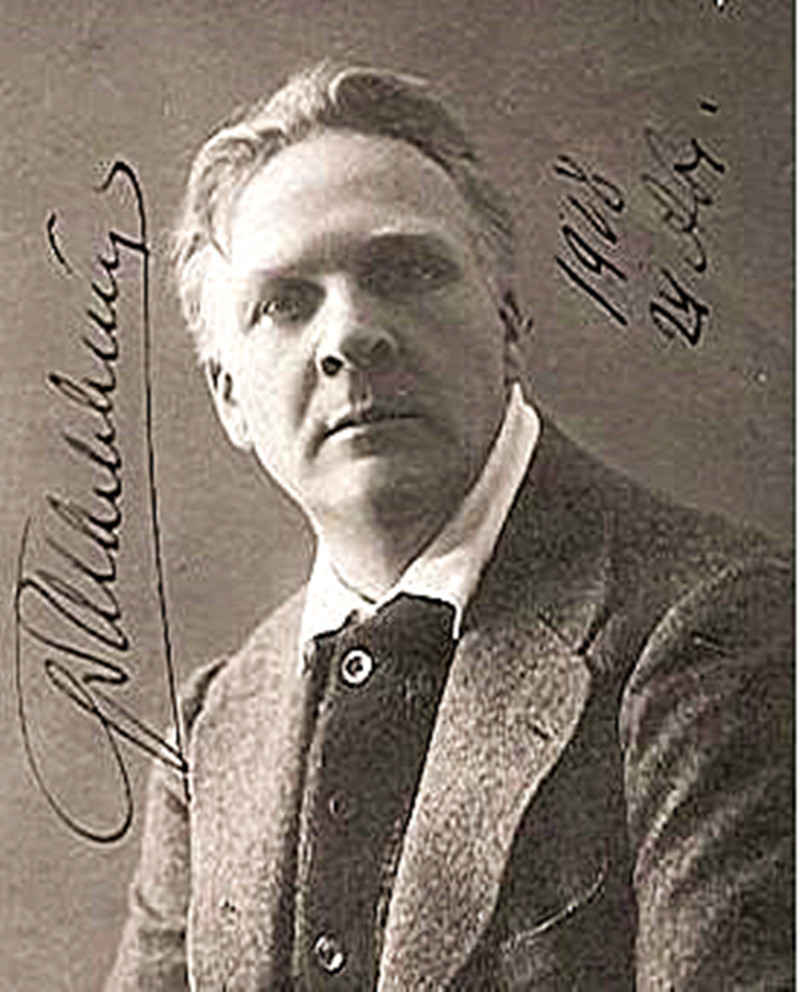
| 伟大的男低音歌唱家费多尔·伊万诺维奇·夏里亚宾(Chaliapin Fedor Lvanovich,Ф.И. Шаляпин,1873-1938年) | ||||||||||||||||||
| The great bass singer Fedor Ivanovich Chaliapin (Ф.И. Шаляпин, 1873 - 1938) | ||||||||||||||||||
 |
||||||||||||||||||
| 夏里亚宾(Feodor Chaliapin)饰演鲍里斯·戈杜诺夫 | ||||||||||||||||||
| Chaliapin (Feodor Chaliapin) played the role of Boris Godunov | ||||||||||||||||||
| 夏里亚宾在哈尔滨 | ||||||||||||||||||
|
1936 年春,63
岁的俄罗斯歌唱家夏里亚宾来到中国,其中就包括哈尔滨。夏里亚宾从日本到了上海,又从上海坐船到大连,从大连经过沈阳、长春后来到哈尔滨,到达时间好像是
3 月 7 日。他住在中央大街的马迭尔旅馆,在这里住了半个多月。 原计划演出时间因他生病而延迟,最终于 3 月 16 日、19 日、20 日在哈尔滨道里西九道街的美国电影院(后为东北电影院,1997 年拆除)举行了 3 场独唱音乐会,另外还有一场嘉演是在中东铁路哈尔滨俱乐部。 尽管夏里亚宾演出时身体欠安,但他的歌声给人们留下了极深的印象,不仅对俄罗斯的观众有很大影响,对中国观众也是如此。当时哈尔滨的大街小巷到处都飘荡着夏里亚宾的歌声,在所有的商店里都悬挂着他的照片,许多人都盼望能得到他的签名。 夏里亚宾的哈尔滨之行给这座城市的音乐文化带来了一定的影响,也成为了哈尔滨音乐历史上的一段重要记忆。他的到来丰富了哈尔滨的音乐文化生活,让哈尔滨的观众有机会欣赏到世界顶级歌唱家的表演,对哈尔滨音乐文化的发展起到了推动作用。 |
||||||||||||||||||
| Charyabin in Harbin | ||||||||||||||||||
| In the spring of 1936, the 63-year-old Russian singer Sharyabin came to China, including in Harbin. Sharyabin arrived in Shanghai from Japan, then took a ship to Dalian, from Dalian he passed through Shenyang, Changchun and finally arrived in Harbin. The arrival time seemed to be March 7th. He stayed at the Maltier Hotel on Central Street and lived there for about half a month. The originally planned performance time was delayed due to his illness. Eventually, on March 16th, 19th and 20th, three solo concerts were held at the American Cinema (later known as Northeast Cinema, demolished in 1997) on West Ninth Street in Daoli District of Harbin. In addition, there was also a joint performance at the Harbin Club on the Manchurian Railway. Although Sharyabin was not in good health during his performance, his singing left a deep impression on people. It not only had a great impact on Russian audiences but also on Chinese audiences. At that time, his singing could be heard everywhere on the streets and alleys of Harbin. His photos were hung in all the shops, and many people were eager to get his autograph. Sharyabin's visit to Harbin brought certain influence to the city's music culture and became an important memory in the history of music in Harbin. His arrival enriched the music culture life of Harbin, gave the audience there the opportunity to enjoy the performances of the world's top singers, and played a promoting role in the development of Harbin's music culture. | ||||||||||||||||||
| 拉赫玛尼诺夫和夏里亚宾的友情 | ||||||||||||||||||
|
拉赫玛尼诺夫和夏里亚宾有着深厚且独特的友谊。他们都是俄罗斯音乐界的巨匠,两人的友谊在音乐领域有着诸多体现: 夏里亚宾是杰出的歌唱家,他多次出色地演绎了拉赫玛尼诺夫的声乐作品。1899 年,夏里亚宾在拉赫玛尼诺夫的独幕歌剧《阿列科》中担任主角,进行了精彩的表演。这部歌剧早在 1892 年于莫斯科首演时就获得了成功,夏里亚宾的演绎更是为其增色不少。 夏里亚宾卓越的歌唱艺术给了拉赫玛尼诺夫很多创作上的灵感。可以说,夏里亚宾的演唱对拉赫玛尼诺夫在声乐作品创作方面产生了积极的影响,推动他创作出了许多优秀的声乐作品。 拉赫玛尼诺夫对夏里亚宾的艺术才华非常认可和赞赏。夏里亚宾不仅歌唱技艺高超,在表演和艺术理解方面也有独特的见解,这让拉赫玛尼诺夫对他十分钦佩。 夏里亚宾对拉赫玛尼诺夫的音乐创作才能也极为尊重。拉赫玛尼诺夫作为作曲家、钢琴家、指挥家,在音乐领域的多方面才能和杰出成就,让夏里亚宾对他充满敬意。在合作中,夏里亚宾对拉赫玛尼诺夫的创作意图和音乐表达有着深刻的理解和尊重。 夏里亚宾性格外向,善于交际,是人群中的焦点;而拉赫玛尼诺夫相对内向、沉默寡言。但在相处中,他们的性格形成了一种奇妙的互补。拉赫玛尼诺夫在夏里亚宾身边时,会被他的幽默和故事所吸引,成为一个倾听者,享受与夏里亚宾相处的时光。 拉赫玛尼诺夫和夏里亚宾的友谊是建立在对彼此艺术才华的认可和尊重基础上的,他们在艺术上相互成就,性格上互补契合,这种友谊在俄罗斯音乐史上留下了浓墨重彩的一笔。——莫扎特之旅 |
||||||||||||||||||
| Rachmaninoff and Sharyabiin had a deep and unique friendship. Both of them were masters in the Russian music scene, and their friendship was reflected in various aspects of music: Sharyabiin was an outstanding singer, and he performed Rachmaninoff's vocal works many times with great success. In 1899, Sharyabiin played the lead role in Rachmaninoff's one-act opera "Aleko" and gave a wonderful performance. This opera had already been successful in Moscow's premiere in 1892, and Sharyabiin's performance added much to its charm. Sharyabiin's outstanding singing skills gave Rachmaninoff many creative inspirations. It can be said that Sharyabiin's singing had a positive impact on Rachmaninoff's creation of vocal works, and pushed him to produce many excellent vocal works. Rachmaninoff highly recognized and appreciated Sharyabiin's artistic talent. Sharyabiin not only had superb singing skills but also had unique insights in performance and artistic understanding, which made Rachmaninoff admire him greatly. Sharyabiin also highly respected Rachmaninoff's musical creativity. As a composer, pianist, and conductor, Rachmaninoff's multiple talents and outstanding achievements in the field of music made Sharyabiin highly respectful of him. During their collaboration, Sharyabiin had a profound understanding and respect for Rachmaninoff's creative intentions and musical expressions. Sharyabiin was outgoing and good at socializing, being the focus of the crowd; while Rachmaninoff was relatively introverted and taciturn. However, in their interaction, their personalities formed a wonderful complementarity. When Rachmaninoff was by Sharyabiin's side, he would be attracted by his humor and stories, becoming a listener and enjoying the time spent with Sharyabiin. The friendship between Rachmaninoff and Sharyabiin was based on the recognition and respect for each other's artistic talents. They mutually achieved in art and complemented each other in personality. This friendship left a significant mark in the history of Russian music. — Mozart's Journey | ||||||||||||||||||
 |
||||||||||||||||||
| 谢尔盖·拉赫玛尼诺夫的故居——塞纳尔别墅 | ||||||||||||||||||
| 塞纳尔别墅是谢尔盖·拉赫玛尼诺夫的故居。这是一个神奇的地方,拥有约21000平方米的公园,包括一个园丁的房子和自己的船屋;谢尔盖·拉赫玛尼诺夫是20世纪最伟大的作曲家、指挥家和钢琴家之一,1930年,他直接在卢塞恩湖畔买下了这处美丽的房产。他委托建筑师Alfred Möri和Karl Friedrich Krebs建造别墅,包括外屋和船屋。当时的超现代建筑风格的新建筑建于1931年和1933年之间。这位世界著名的艺术家与他深爱的妻子娜塔莉亚一起在卢塞恩里维埃拉地区度过了成长的岁月,创作了帕格尼尼变奏曲、第三交响曲第44号和科雷利变奏曲等重要作品。“Senar”是由这对夫妇的名字组成的首字母缩略词:Sergei + Natalja Rachmaninoff。多年来,这座建筑获得了艺术、建筑和文化意义。谢尔盖·拉赫玛尼诺夫(Sergei Rachmaninoff)的原版音乐会三角钢琴也摆放在他的工作室里,给酒店增添了一种特殊的光环。对于谢尔盖·拉赫玛尼诺夫和他的家人来说,这是一个给他们充电的地方,一个与艺术相遇并获得灵感的地方。在这里,卢塞恩的建筑、文化和音乐历史汇集在一起,并被讲述。这座别墅自2022年4月以来一直是音乐和文化的公共场所。拉赫玛尼诺夫基金会在塞纳尔别墅举办各种活动和音乐会。卢塞恩州政府作为该物业的所有者,负责管理这个广阔的公园。就像谢尔盖·拉赫玛尼诺夫(Sergei Rachmaninoff)曾经那样,被卢塞恩湖和瑞士中部山脉之间的独特环境所鼓舞。沉浸在一个著名的艺术家,好莱坞明星和家庭男人的生活。公共场合、活动和导游塞尔日·拉赫玛尼诺夫基金会协调文化活动。节目和门票可在网站上购买。Senar别墅周围环绕着两公顷的公园,有各种各样的古树和广阔的绿地。公园于五月十五日至十月三十一日,逢星期四至日,中午十二时至下午五时开放予公众参观。请注意,公园有闭馆日,不能进入。天气好的时候,露台咖啡馆在六月到九月的周日下午1点到5点开放。它提供少量的饮料和食物选择。 | ||||||||||||||||||
|
Villa Senar is the former home of Sergei Rachmaninoff. A magical place
with around 21000m2 of parkland, including a gardener's house and its
own boathouse; Sergei Rachmaninoff, one of the greatest composers, conductors and pianists of the 20th century, acquired the property in a beautiful location directly on Lake Lucerne in 1930. He commissioned the architects Alfred Möri and Karl Friedrich Krebs to build the villa, including the outbuilding and boathouse. The then ultra-modern buildings in the New Building style were constructed between 1931 and 1933. Together with his beloved wife Natalja, the world-famous artist spent formative years in the Lucerne Riviera region, composing key works such as the Paganini Variations, the 3rd symphony op. 44 and the Corelli Variations. "Senar" is an acronym consisting of the names of the couple: Sergei + Natalja Rachmaninoff. Over the years, this building has gained artistic, architectural and cultural significance. Sergei Rachmaninoff's original concert grand piano also stands in his studio, lending the property a special aura. For Sergei Rachmaninoff and his family, this was a place to recharge their batteries, to arrive and a place of encounter and inspiration with the arts. It is a place where Lucerne's architectural, cultural and musical history come together and are told. Visit to the Villa Senar The villa has been a public venue for music and culture since April 2022. The Serge Rachmaninoff Foundation organizes various events and concerts in the Villa Senar. The Canton of Lucerne, as the owner of the property, looks after the extensive park. Be inspired, as Sergei Rachmaninoff once was, by the unique setting between Lake Lucerne and the mountains of Central Switzerland. Immerse yourself in the life of a renowned artist, Hollywood star and family man. Public occasions, events and guided tours The Serge Rachmaninoff Foundation coordinates the cultural events. The program & tickets are available on the website. Park & small terrace café The Villa Senar is surrounded by two hectares of parkland with a wide variety of old trees and extensive green spaces. The park is open to the public from Thursday to Sunday from 12 noon to 5 pm from 15 May to 31 October. Please note that there are closed days on which the park is not accessible. In good weather, the terrace café is open on Sundays from 1 to 5 pm from June to September. It offers a small selection of drinks and food. |
||||||||||||||||||
|
|
||||||||||||||||||
|
Today in music
history: November 9, 1901, Rachmaninoff performed his "Second Piano
Concerto in C Minor" under the accompaniment of his cousin Alexander
Siloti, but found that the brilliant first movement was "absolutely
repulsive". This concerto was dedicated to a neurologist who helped
Rachmaninoff overcome the shadow of the "First Symphony" being rejected
by the public. After that, the "Second Piano Concerto in C Minor" became
the most popular concerto of the 20th century.
Sergei Rachmaninoff (born on April 1, 1873 in Russia and died on March 28, 1943) was a classical music composer, pianist, and conductor of the 20th century. Rachmaninoff graduated from the renowned Moscow Conservatory (now the Moscow Tchaikovsky Conservatory); his compositions were deeply influenced by Tchaikovsky, had a profound foundation in national music, and featured rich melodies, excelling in epic and grand musical styles; his main works include the Second and Third Piano Concertos, the 24 Preludes, the Fantasy Pieces Based on Paganini Themes, the 24 Preludes, the Opera "Aleko", "Limiña's Francesca", the Second Symphony, the orchestral piece "Dead Island", and the Clock. Among them, the "D Minor Third Piano Concerto" is known for its extremely difficult level, becoming one of the most challenging piano performance pieces. The influence of composers such as Tchaikovsky, Rimsky-Korsakov, Balakirev, Mussorgsky, and other Russian composers can be seen in his early works, which were later replaced by a personal style known for its song-like melodies, expressiveness, and rich orchestral colors. Rachmaninoff's musical style echoes that of Tchaikovsky. The Rachmaninoff family lived in the early 20th century, and when Rachmaninoff was older, there were recording and audio technology. Rachmaninoff had his own recordings, which gave a very different feeling. The works of music masters throughout history should be played in what way? Rachmaninoff had his own recordings, which provided a very good reference for the future. Rachmaninoff was a pianist, and his piano playing was superb. He was a giant, reportedly standing at two meters tall, and his hands were extremely large, capable of easily spanning twelve degrees. His compositions were unsuccessful. His first symphony was not well-received after its creation. He was a sensitive person. When others criticized him, he would become very discouraged. After the first symphony, he was depressed and dispirited for many years. It was not until he developed in the United States that he broke through to success, using his "Second Piano Concerto" to open the door to success. Rachmaninoff loved the bass part and disliked the high notes, so many of his piano concertos were very low-pitched, especially the beginning of his "Rachmaninoff II", which was the lowest and not necessarily used in daily practice. He imitated the bells of Russian churches. The most difficult piano concerto in the world is Rachmaninoff's Third Piano Concerto. Even many pianists refused to perform this piece. When talking about Rachmaninoff, it is necessary to mention Horowitz because this concerto was composed for him. Because Horowitz had extremely high technical skills, apart from him, few people could perform this concerto at that time. Many of his works are worth listening to. His characteristic was extremely strong melodies. He was a very beautiful and romantic composer. Rachmaninoff had a Paganini Theme Rhapsody, which was composed in his later years and even called his Fifth Piano Concerto. The 18th variation of this piece was used as the soundtrack for a film, making this piece famous worldwide. Today's video: 1. Kirill Gerschenfeld performs Sergei Rachmaninoff's C minor Piano Concerto No. 2; 2. Edith Farndale performs Sergei Rachmaninoff's C minor Piano Concerto. |
||||||||||||||||||
|
|
||||||||||||||||||
【赫尔曼·舍尔琴】拉赫玛尼诺夫第二钢琴协奏曲 |
||||||||||||||||||
| 【Hermann Scherchen】Rachmaninoff Piano Concerto No.2 | ||||||||||||||||||
|
伊迪丝·法尔纳迪 更多图片简介: 匈牙利钢琴家。她于 1921 年 9 月 25 日出生在布达佩斯。她被视为天才少年,她的导师和指导老师包括莱奥·韦纳、阿拉达尔·塞凯利和贝拉·巴托克。从 1945 年到去世,她一直居住在维也纳,并为威斯敏斯特唱片公司大量录制作品。她在格拉茨音乐学院任教,并定期回到祖国进行演出。她被认为是弗朗茨·李斯特、佐兰·科达伊、佐兰·科达尔以及贝拉·巴托克钢琴作品的最佳演绎者之一,她还录制了巴托克的钢琴音乐作品。她于 1973 年 12 月 15 日在维也纳去世,并被安葬在匈牙利。| 伊迪丝·法尔纳迪 法纳迪、费伯迪 |
||||||||||||||||||
Edith Farnadi
|
||||||||||||||||||
| 未得原作者编者授权严禁转载www.mt77.com任何内容 | ||||||||||||||||||








|
|
|
|||||
|
copyright © 2003-2005 xilu.com all rights reserved. |
|||||
|
|
|||||

