|
||||||||||||||||||||||||||
.png) |
 |
|||||||||||||||||||||||||
|
|

|
||||||||||||||||||
|
|
|
|||||||||||||||||
塞萨尔·弗兰克(César Franck,1822-1890) |
||||||||||||||||||
穆特和奥尔基斯演奏弗兰克 - A大调小提琴奏鸣曲 |
||||||||||||||||||
| Mut and Oliggs performed the César Franck - Violin Sonata in A Major. | ||||||||||||||||||
|
|
||||||||||||||||||
|
音乐历史上的今天
1890年11月8日
|
|
|||||||||||||||||
 |
||||||||||||||||||
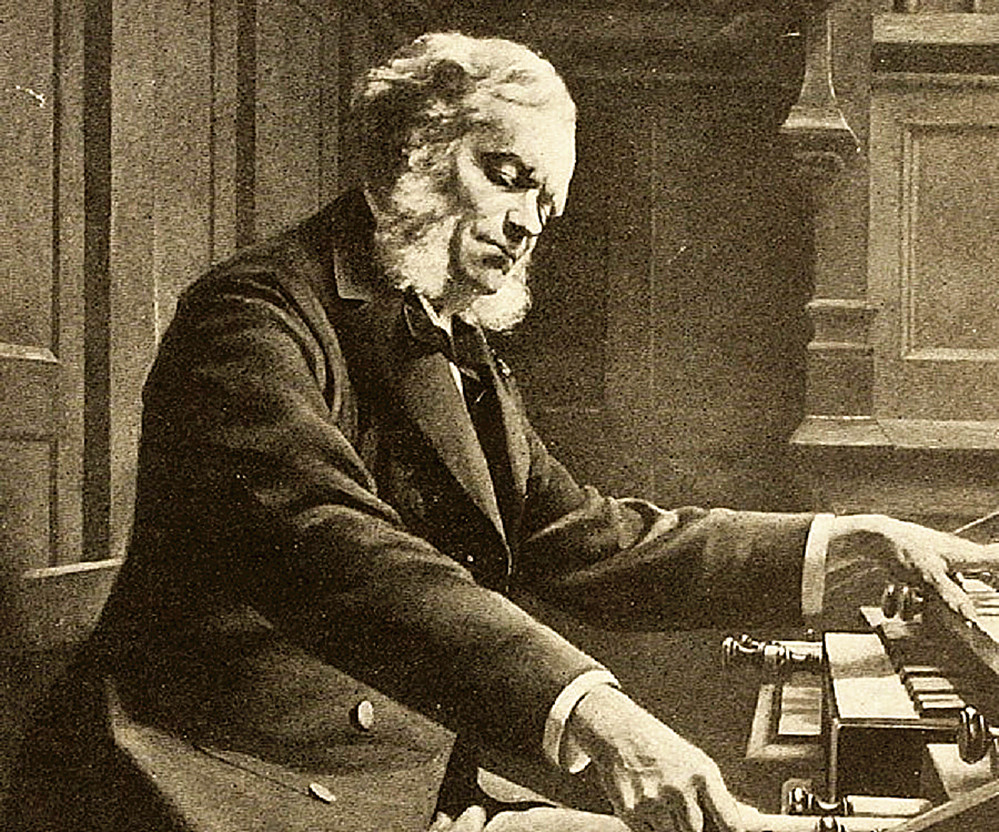
| 塞萨尔·弗兰克(César Franck,1822-1890) | ||||||||||||||||||
| 塞萨尔·弗兰克的音乐传奇 | ||||||||||||||||||
|
🎼🎼在音乐的世界里,有一位传奇人物——塞萨尔·弗兰克(Cesar
Franck)。他出生于1822年12月10日,原籍比利时,十二岁时就毕业于比利时列日皇家音乐学院,真是天才中的天才!🎉 🏠1836年,弗兰克随家人迁居巴黎,并在巴黎音乐院学习作曲与钢琴。1842年后,他开始了演奏家的生涯,并继续创作和教学。虽然他的早期作品并不广为人知,但他的才华和努力从未停止。 🎼1858年,弗兰克成为教堂的管风琴手,这让他对宗教仪式音乐和管风琴音乐产生了浓厚兴趣。他的创作也开始转向这些方向。1872年,他应聘成为巴黎音乐院管风琴班的教授,同时还在私人教授作曲。 💡弗兰克非常支持学生大胆新颖的创作,他的学生中包括了许多杰出的音乐家,如丹第、肖松、杜帕克等。经过多年的探索,弗兰克在最后五年里创作出了许多经典作品,如《d小调交响曲》、《A大调小提琴奏鸣曲》和《D大调弦乐四重奏》等。这些作品充分展示了他的创作才华:旋律优美、表现力深刻、和声新颖、结构坚实协调。特别是他独创的“循环形式”,真是让人叹为观止! 💔然而,1890年,弗兰克在外出上课时不幸被马车撞倒,健康状况急剧恶化,同年就去世了。他的离世让音乐界失去了一位伟大的作曲家和教师,但他的音乐和精神将永远留在我们心中。🌟 🎼如果你还没有听过塞萨尔·弗兰克的音乐,那真是太遗憾了!快去感受一下这位传奇作曲家的魅力吧! |
|
|||||||||||||||||
 |
||||||||||||||||||
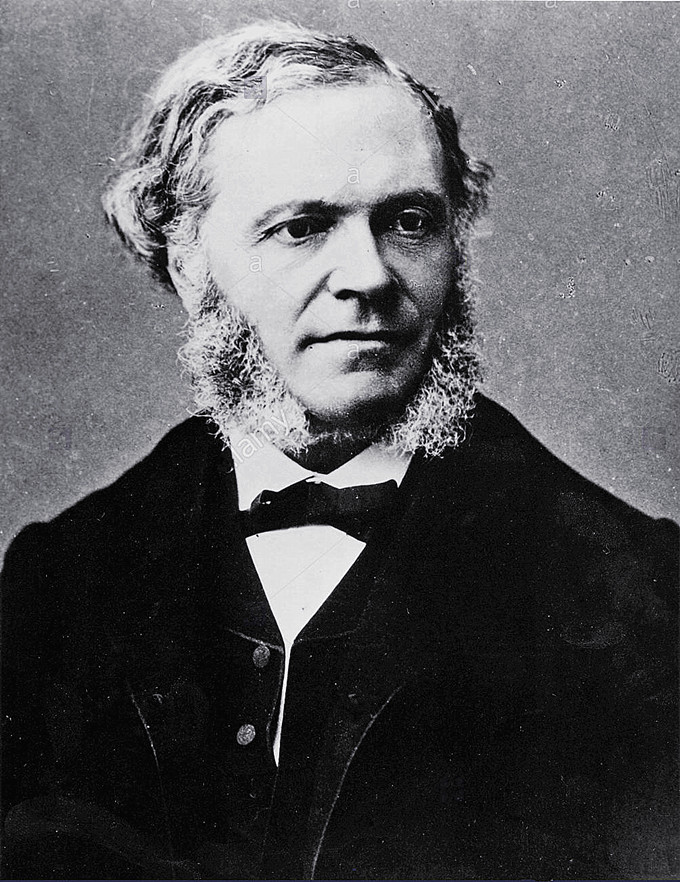
| 塞萨尔·弗兰克(César Franck,1822-1890) | ||||||||||||||||||
|
||||||||||||||||||
| On September 28, 1886, it was the wedding celebration day of the Belgian violin master Yizai. He was pleasantly surprised to receive a special wedding gift. His compatriot, the composer C. Franck, sent him a manuscript of a newly composed "Violin Sonata in A Major", which was specially written for Yizai. On the wedding day, Yizai couldn't wait to practice this piece and soon gave a premiere accompanied by his wife Benner. Since then, Yizai has kept this piece as his regular repertoire. "Violin Sonata in A Major" is cyclic, with the themes of the four movements all derived from a single original motive. The violin opens the slow movement with a calm and enchanting double-stroke legato, and the first few bars are ingeniously played with the melody of "Je t'aime, je t'aime" in French. The interplay between the violin and the piano forms a highly poetic picture of passionate love. The second movement is a common dramatic conflict in romanticism, and the third movement has a brilliant cadenza, written by the composer for Yizai, depicting the pain of longing. The finale is composed of a beautiful song that brings together the essence of the first three movements. Some people compare these four movements to the four chapters of love: falling in love, knowing each other, longing, and the happy ending of the lovers. Later, it was evaluated that this work can be compared with the most famous violin sonatas of Beethoven and Brahms. Franck was born in Belgium and later moved to Paris. When he completed this "Sonata in A Major", he was already 63 years old. But the emotions expressed in the music made people feel that it should have been written by a young and talented person. He spent most of his life as a professor of organ and private tutor at the Paris Conservatory, and Debussy, Dantigny, Duparc, and Chausson were all his students. Liszt listened to his organ performance and exclaimed that it was the reincarnation of Bach. However, Franck was always of a calm disposition and was not good at expressing himself or manipulating public opinion. He just used his spare time to compose. He was a composer of the late blooming type, and in the last five years of his life, he laid the foundation for his position in French music history. Romain Rolland once gave him a high evaluation: "There is no name purer than this great and kind-hearted name. It is a flawless and dazzling heart without any flaws." This violin sonata has multiple engraved discs, all with brilliant performances, such as Zheng Jinghe and Lu Pu, Gromieux and Seberk, Parman and Agrizi, etc. Due to its popularity among musicians and audiences, it was later adapted into a piece for cello and flute. Franck was born in Liège, Belgium in 1822 and became a French citizen in 1870. He died in a car accident in 1890. Franck was a famous composer and organist in the second half of the 19th century in France. He was one of the representatives of the three major schools of string performance art during the Romantic period (the French-Belgian school, the virtuoso school represented by Paganini, and the German school). The composer disregarded the development trajectory of the music era he was in, and his creative ideas and structural arrangements always maintained a reverence for and obsession with polyphonic music. He insisted on following his own creative path. Therefore, before his death, he was coldly received by his compatriots and remained unknown. In France, where opera dominated, most people did not pay attention to other music forms. The establishment of the French National Music Association in 1871 gave some unknown new composers the opportunity to be known to the public, and music genres other than opera gradually entered the audience's sight. Thus, Franck led his disciples, along with outstanding composers like Ravel and Saint-Saëns, to show their talents, creating a path for instrumental solo works to enter the highbrow music hall. After the 20th century, some of Franck's representative works gained many worldwide admirers. Frank's musical compositions have the following characteristics: 1. He has a strong preference for Wagner's music, and his creative language mostly originates from Liszt. 2. He has a particular fondness for the contrapuntal processing in composition techniques. 3. The most obvious feature in his works is the polyphonic structure. However, from the perspective of experts, this is a false polyphony. They basically consist of monophonic nature, and various voices disappear before fulfilling their missions. Through the transitional modulation caused by semitone changes, the impression of a continuous line is created. 4. He is faithfully devoted to pure music. The exquisite musical phrases, the wonderful moments, the heartfelt exclamations... often bring heartfelt surprises and sighs to the listeners. Frank's A Major Violin Sonata was completed in 1886 and was a gift from the composer to the violin virtuoso Isay for his wedding. The composition has a rich structural form, sweet and gentle melody; diverse tonal colors, dense semitone transitions; passionate and lingering emotions, calm inner joy, with a strong introspective sincerity and mysterious atmosphere. The principal cellist of the Paris Opera House, Yules, transplanted this piece to the cello for performance, and the response was good. Many of the characteristics of this piece are very suitable for cello performance, and thus, various cello arrangements and recordings have been published one after another. Currently, the version transplanted by J. Yules and re-arranged by L. Ross (i.e., re-arranged fingering) is more commonly used in China. This piece has now become one of the reserved pieces for professional teaching and concerts. | ||||||||||||||||||
 |
||||||||||||||||||
| 塞萨尔·弗兰k克的学生文森特·德印迪(Vincent D'Indy) | ||||||||||||||||||
|
塞萨尔·弗兰克——由其学生文森特·迪恩迪所描述 我最有影响力的学生文森特·迪恩迪与我一起学习了很长时间。他和他的同学们似乎既感到困惑又心怀感激,因为我有着严谨的工作态度,还有定期在管风琴上演奏、私下授课,同时还能抽出时间陪伴我的妻子和家人以及进行创作。要知道,我得谋生。我爱我的妻子和家人。因此,我必须严格安排自己的日程,以便赚取足够的钱并继续进行创作。 我通常的工作日是这样的:每天早上 5 点 30 分起床,然后用前 2 个小时进行音乐创作。大约早上 7 点 30 分,吃过简单的早餐后,我便在巴黎各地教授音乐课程,为初学者到高年级学生教授钢琴和风琴课程。我还到大学和寄宿学校授课。我步行并乘坐公共汽车从一个地点前往另一个地点。 晚上,我回到家享用晚餐,同时也会抽出一些宝贵的时间与妻子和家人相处。大多数晚上吃完饭后,我会抄写乐谱、编写乐谱部分,并为我的作品编曲。此外,我还利用一些晚上的时间来教导高级的风琴和音乐创作学生。 关于我的日程安排,我的学生文森特·迪恩迪这样说道:“在那两个清晨的晚上时段(通常时间会有所缩短),以及在音乐学院假期期间他所挤出的那几周时间里,弗兰克创作出了他最出色的作品——构思、规划并完成了这些作品的创作。” |
||||||||||||||||||
|
Cesar Franck
Described by His Student, Vincent D’Indy My most influential student, Vincent D’Indy, studied with me for a long time. He and his fellow students seemed to be bemused yet appreciative of my work ethic and my regular schedule of performing on organ, teaching privately, and still having time for my wife and family as well as composing. You see, I had to work for a living. I loved my wife and family. Therefore I had to be strict with my schedule to earn enough money and still compose. My typical workday was as follows: Starting my day at 5:30 am, I devoted the first 2 hours to music composition. Around 7:30 am, after a small breakfast, I gave music lessons throughout Paris, teaching piano and organ to beginners through advanced pupils. I also taught in colleges, boarding schools. I walked and traveled by omnibus from appointment to appointment. In the evening, I returned home for my evening meal, along with some vital time to be with my wife and family. After eating most evenings, I copied my scores, wrote out the parts, and orchestrated my compositions. Additionally, I devoted some of my evenings to teaching advanced organ and music composition students About my schedule, my primary student Vincent D’Indy said, “In these two evening hours of the morning – which were often curtailed – and in the few weeks he snatched during the vacation at the Conservatory, Frank’s finest works were conceived, planned, and written.” |
||||||||||||||||||
 |
||||||||||||||||||
| 塞萨尔·弗兰克(César Franck)和法国音乐家们的合影 | ||||||||||||||||||
 |
||||||||||||||||||
| 塞萨尔·弗兰克(César Franck)A大调钢琴小提琴奏鸣曲海报 | ||||||||||||||||||
| Vladimir Horowitz and his wife, Wana Toscanini | ||||||||||||||||||
 |
||||||||||||||||||
| 塞萨尔·弗兰克(César Franck)唱片 | ||||||||||||||||||
 |
||||||||||||||||||
| 塞萨尔·弗兰克(César Franck)唱片 | ||||||||||||||||||
 |
||||||||||||||||||
| 塞萨尔·弗兰克(César Franck) | ||||||||||||||||||
 |
||||||||||||||||||
| 弗兰克·塞萨尔:(1822 - 1890) 法国比利时籍作曲家。一份出色的 A.L.S. 文稿,名为“塞萨尔·弗兰克”,一页,8 开本,无页码,未注明日期[1880 年],写给一位朋友,用法语书写。弗兰克深深感谢他的通信者,并安排了一次音乐约会,部分内容为:“非常感谢您亲爱的友人您那精彩的来信,它让我非常开心。我还收到了巴迪厄先生的一封非常好的信件。我将于明天周日晚上 8 点或 9 点前往您家,带着《...》和《伊凡四世》的《皮西》……”(译文: “非常感谢您亲爱的友人您那精彩的来信,它让我非常开心。我还收到了巴迪厄先生的一封非常好的信件。我将于明天周日晚上 8 点或 9 点前往您家,带着《...》和《伊凡四世》的《皮西》……”) 有完整的空白页。边缘有之前的装裱痕迹,其余部分为 G 到 VG 级别。 | ||||||||||||||||||
|
FRANCK CESAR:
(1822-1890) FRANCK CESAR: (1822-1890) Belgian-French Composer. A very good A.L.S., `Cesar Franck´, one page, 8vo, n.p., n.d. [1880], to a friend, in French. Franck deeply thanks his correspondent and fixes a musical appointment, stating in part `Merci mille fois cher ami de votre excellente lettre, elle m´a rendu heureux. J´en ai reçu également une très bonne bonne de Mr. Bardieu. J´irai chez vous demain dimanche soir vers 8 heures ou 9 heures avec du Psyche de la... et d´Ivan IV..´ (Translation: "Thank you a thousand times dear friend for your excellent letter, it made me happy. I also received a very good one from Mr. Bardieu. I will come to your house tomorrow Sunday evening around 8 or 9 o'clock with the Psyche, the... and Ivan IV...") With blank integral leaf. Traces of former framing to the edges, otherwise G to VG |
||||||||||||||||||
 |
||||||||||||||||||
| 弗兰克·塞萨尔:(1822 - 1890) 法国出生的比利时作曲家和钢琴家,属于浪漫主义时期。A.L. 未署名,印在其个人长方形 12 开尺寸的名片正面和背面,名片正中印有他的名字(“塞萨尔·弗兰克,巴黎音乐学院教授,圣克洛蒂尔教堂管风琴师”),底部印有圣米歇尔大道(巴黎)的地址,无署名,未注明日期(约 1879 年),寄给奥古尔(?),用法语书写。弗兰克完整地写道:“今天我没有机会见到您,但这并没有让我对您的情况有任何担忧。您知道,我们将在周二和周三上午再次进行排练,或者从《引言》开始,所以请务必在 9 点到特罗卡德罗广场。”(翻译:‘我没有机会见到您今天,但这并没有让我对您的情况有任何担忧。您知道,我们将在周二和周三上午再次进行排练,从《引言》开始,所以请务必在 9 点到特罗卡德罗广场。’) 保存状况良好。弗兰克于 1858 年成为巴黎圣克洛蒂尔大教堂的管风琴师,并一直担任该职位直至生命结束。1872 年,他被任命为巴黎音乐学院教授。《诸福颂》(作品 25 号)由弗兰克于 1869 年至 1879 年间历时十年创作而成,是一部为管弦乐队、合唱团和八位独唱演员配乐的清唱剧。这是弗兰克的大型作品之一,时长将近两小时,于 1879 年 2 月 20 日在巴黎弗兰克家中的一场小型演出中首次公演。 | ||||||||||||||||||
|
FRANCK CESAR: (1822-1890) FRANCK CESAR: (1822-1890) Belgian-born French composer and pianist of the Romantic period. A.L., unsigned, to the recto and verso of his personal printed oblong 12mo Visiting Card, featuring his printed name ('Cesar Franck, Professeur au Conservatoire de Musique, Organiste de Ste. Clotilde') to the centre and address at Boulevard St. Michel (Paris) at the base, n.p., n.d. (c.1879), to Auguel (?), in French. Franck writes, in full, 'Je n'ai pas en le plaisir de vous voir aujourd'hui mais cela ne me donne aucune inquietude sur votre compte. Vous savez que nous repetons avec orchestre mardi et mercredi matin ou commencera par les Beatitudes ayez donc la bonte d'etre au trocadero a 9 heures' (Translation: 'I haven't had the pleasure of seeing you today, but that doesn't give me any cause for concern. You know that we are rehearsing again with an orchestra on Tuesday and Wednesday morning, starting with the Beatitudes, so please be at the Trocadero at 9 o'clock.'). VG Franck became organist at the Basilica of St. Clotilde, Paris, in 1858 and retained the position for the rest of his life. He was appointed a professor at the Paris Conservatoire in 1872. Les Beatitudes (Op. 25) was written by Franck over a period of a decade from 1869-79 and is an oratorio scored for orchestra, choir and eight soloists. It is one of Franck's larger compositions, at almost two hours, and was first performed, in a reduced form, at a private performance in Franck's home in Paris on 20th February 1879. |
||||||||||||||||||
 |
||||||||||||||||||
| 法国发行的塞萨尔·弗兰克(César Franck)纪念邮票 | ||||||||||||||||||
| The commemorative stamps issued by France in honor of César Franck | ||||||||||||||||||
 |
||||||||||||||||||
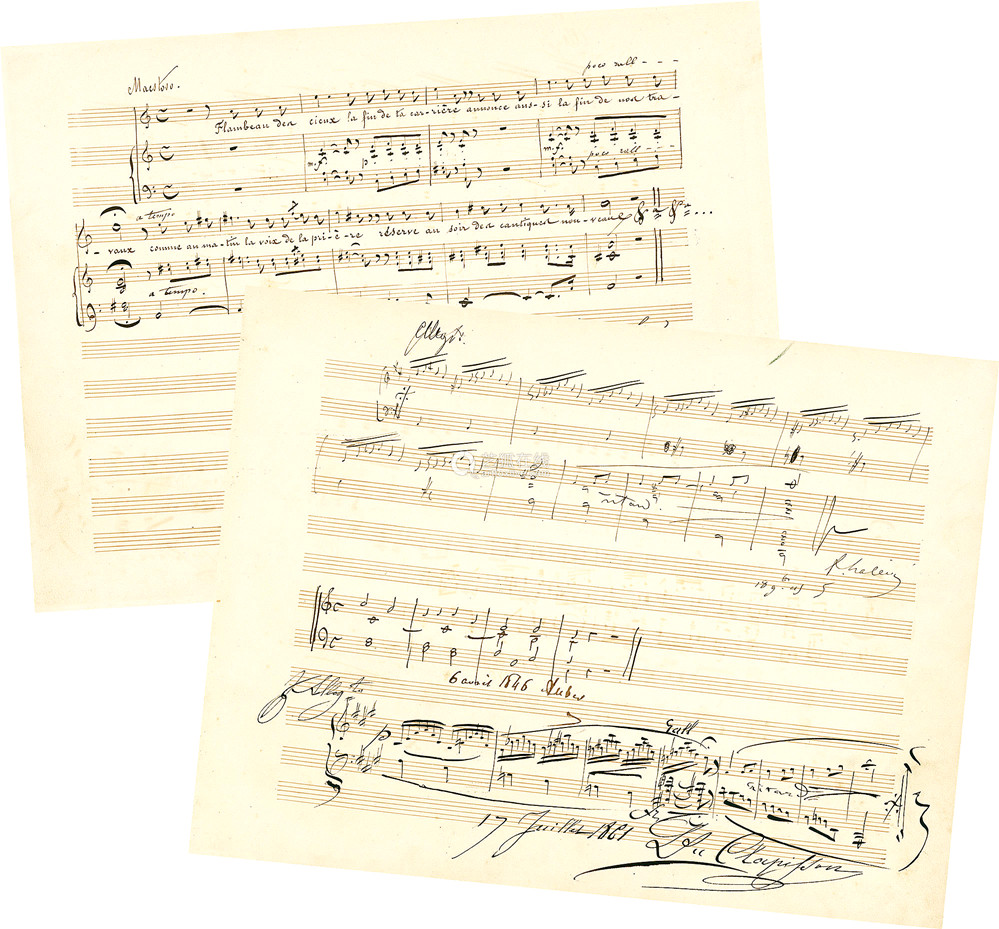
| 塞萨尔·弗兰克(César Franck)的乐谱手迹 | ||||||||||||||||||
|
The musical score handwriting
of César Franck |
||||||||||||||||||
 |
||||||||||||||||||
|
安妮·索菲·穆特(Anne-Sophie
Mutter),1963年6月29日生于德国莱茵费尔登,德国小提琴演奏家 。 1970年,穆特赢得了全德青少年小提琴比赛冠军 。1977年,与指挥家卡拉扬,柏林爱乐乐团首次在萨尔茨堡亮相 。1978年,D·G唱片发行了穆特的首张专辑 。1980年,在美国华盛顿、芝加哥、纽约进行首演 。1981年,与指挥家卡拉扬,柏林爱乐乐团合作,在日本东京举行音乐会 。1983年,成为牛津大学莫扎特学会名誉会长。1986年,成为伦敦皇家音乐学院国际小提琴研究会的首任主席 。1990年, 在英国伦敦和斯图加特举办了“安妮·索菲·穆特音乐节” 。1994年,获第37届格莱美奖最佳器乐独奏奖 。1993年,出版专辑《卡门幻想曲》 [8]。1999年,获第41届格莱美奖最佳器乐独奏奖 。 |
||||||||||||||||||
| Anne-Sophie Mutter was born on June 29, 1963 in Reinfeldt, Germany. She is a German violinist. In 1970, Mutter won the German Youth Violin Competition. In 1977, she made her debut with the conductor Karajan and the Berlin Philharmonic Orchestra in Salzburg. In 1978, D.G. Records released her first album. In 1980, she gave her first performances in Washington, Chicago and New York. In 1981, she collaborated with the conductor Karajan and the Berlin Philharmonic Orchestra and held a concert in Tokyo, Japan. In 1983, she became the honorary president of the Mozart Society at Oxford University. In 1986, she became the first president of the International Young Violin Research Society of the Royal College of Music in London. In 1990, she held the "Anne-Sophie Mutter Music Festival" in London and Stuttgart. In 1994, she won the 37th Grammy Award for Best Instrumental Soloist. In 1993, she released the album "Fantasia for Carmen". In 1999, she won the 41st Grammy Award for Best Instrumental Soloist. | ||||||||||||||||||
 |
||||||||||||||||||
| 美国钢琴家兰伯特·奥尔基斯先生 | ||||||||||||||||||
| Mr. Lambert Olkins, an American pianist | ||||||||||||||||||
| 美国钢琴家兰伯特·奥尔基斯是享誉国际的键盘乐演奏家,擅长室内乐和古乐作品,他曾是一代大提琴宗师罗斯特洛波维奇的长期搭档。1988年起,他与穆特合作的一系列音乐会在国际乐坛上颇有影响力。如今他几乎是穆特的“御用钢琴伴奏师”,在穆特的独奏会上几乎都能看到奥尔基斯的身影。 兰伯特·奥尔基斯现在美国费城天普大学教授室内乐课程。田元有幸成为他的学生。 | ||||||||||||||||||
|
安妮-索菲·穆特(Anne-Sophie Mutter)与兰伯特·奥尔基斯(Lambert
Orkis)是合作超过20年的经典搭档,两人多次在全球知名剧院合作演出,尤其在贝多芬小提琴奏鸣曲领域享有盛誉。 合作渊源 两人自上世纪90年代开始合作,最初以录制贝多芬小提琴奏鸣曲全集闻名,其演奏被评价为“教科书级”典范。2019年,他们再度联袂在国家大剧院演绎《第四》《第五》《第九》三首贝多芬小提琴奏鸣曲,展现经典曲目与现代舞台的融合。 艺术风格 穆特擅长通过呼吸和音乐层次传递情感,而奥尔基斯注重旋律的立体呈现。两人通过默契配合实现“无眼神交流”的舞台表演,仅通过音乐和呼吸节奏就能完成复杂曲目。 近期动态 2024年3月,穆特携奥尔基斯重返上海东方艺术中心举办独奏音乐会,演绎贝多芬、勃拉姆斯等经典作品。 |
||||||||||||||||||
 |
||||||||||||||||||
|
American pianist Lambert Olidge is a renowned international keyboard performer, skilled in chamber music and ancient music works. He was a long-term partner of the great cellist Rostropovich. Since 1988, a series of concerts he collaborated with Mut have had a significant influence in the international music scene. Nowadays, he is almost Mut's "preferred piano accompanist", and can be seen almost everywhere at Mut's solo concerts. Lambert Olidge now teaches chamber music courses at Temple University in Philadelphia, USA. Tian Yuan was fortunate to become his student.
Anne-Sophie
Mutter and Lambert Orkis have been a classic partnership for over 20
years. They have performed together in many renowned theaters worldwide,
especially in the field of Beethoven's violin sonatas, and are highly
respected. The collaboration began in the 1990s. Initially, they were
famous for recording the complete set of Beethoven's violin sonatas, and
their performances were praised as "textbook-level" examples. In 2019,
they once again performed three Beethoven violin sonatas (No. 4, No. 5,
and No. 9) together at the National Center for the Performing Arts,
showcasing the integration of classic repertoire with modern stage
performances. |
||||||||||||||||||
 |
||||||||||||||||||
| 2025年11月5日,田元和同学参加兰伯特·奥尔基斯先生夫人的生日晚宴 | ||||||||||||||||||
| On November 5th, 2025, Tian Yuan and his classmates attended the birthday party of Mr. Lambert Olkis and his wife. | ||||||||||||||||||
 |
||||||||||||||||||
| 2025年上半年,我去美国费城时,看望田元的老师奥尔基斯先生,并合影留念 | ||||||||||||||||||
| When visiting Philadelphia, USA in 2025, I will pay a visit to Mr. Oliggs, the teacher of Tian Yuan, and take a photo together as a souvenir. | ||||||||||||||||||
|
|
||||||||||||||||||
|
Today in Music
History:
November 8, 1890. Six months after being hit by a carriage, 67-year-old César Franck passed away. "In winter and summer, he would get up at 5:30 in the morning. The first two hours were usually spent composing, as he himself put it, 'working for himself.' Around 7:30, he would have a simple breakfast and go out to teach in various parts of the capital. Until his final days, this great man spent most of his time teaching amateur musicians to play the piano. He would walk or take a public carriage all day... returning to the peaceful spot on Saint-Michel Avenue for dinner at a set time. Even after a day of exhausting work, he would still squeeze out a few minutes to orchestrate or transcribe music." [Vincent D'Indy] César Franck (December 10, 1822 - November 8, 1890), a French composer, organist, and music educator born in Liège, Belgium. He graduated from the Royal Music Academy of Liège in Belgium at the age of twelve, and in 1835, the family moved to Paris. Later, he studied composition and piano at the Paris Conservatory of Music. In 1844, he settled in Paris. From 1842, he engaged in performance and teaching. In 1858, he became the organist of Saint-Claudie Church, and in 1872, he became a professor of organ at the Paris Conservatory. In 1873, he became a French citizen and was one of the organizers of the French National Music Association. Franck lived a strict and austere life, concentrating on organ performance and teaching for a long time. This experience pushed his creative focus towards religious ritual music and organ works. He advocated the "cyclic form" technique (his original musical approach), establishing the unity of movements through a common theme, and cultivating composers such as Danty, Chausson, and Duparc, forming the French School of Composition. The last five years of his career were his artistic peak, with representative works including the "D Minor Symphony," "Violin Sonata in A Major," and "String Quartet in D Major." The "D Minor Symphony," which premiered in Paris in 1889, had a three-movement structure and incorporated the dominant motif and Breton folk tunes. In 1890, he died due to a car accident and left behind works in various genres such as symphonic poems, chamber music, and oratorios. Today's video: 1. Mutter and Olgis perform Franck's A Major Violin Sonata; 2. Franck's String Quartet in D Major, FWV 9; 3. Franck: "D Minor Symphony" by the French Symphony Orchestra. |
||||||||||||||||||
|
|
||||||||||||||||||
| 赛萨尔·弗兰克(César Franck):D大调弦乐四重奏 FWV 9 | ||||||||||||||||||
| - 作曲家:塞萨尔·弗兰克(1822 年 12 月 10 日 - 1890 年 11 月 8 日) - 演奏者:彼得森四重奏(康拉德·穆克(小提琴)、丹尼尔·贝尔(小提琴)、弗里德曼·韦格尔(中提琴)、亨利-大卫·瓦雷马(大提琴)) - 录音年份:2007 年 11 月 27 日至 29 日 - 录音地点:柏林西门子别墅 《D 大调弦乐四重奏》,FWV 9,创作于 1889 年至 1890 年。00:06 - 一、稍慢的快板。快板 13:48 - 二、谐谑曲:活泼 18:16 - 三、柔板 28:08 - 四、终曲:极快的快板 | ||||||||||||||||||
| - Composer: César Franck (10 December 1822 – 8 November 1890) - Performers: Petersen Quartet{Conrad Muck (violin), Daniel Bell (violin), Friedemann Weigle(viola), Henry-David Varema (cello)} - Year of recording: 2007- 11- 27~29 - Recording Venue: Siemens villa, Berlin String Quartet in D major, FWV 9, written from 1889 to 1890. 00:06 - I. Poco lento. Allegro 13:48 - II. Scherzo: Vivace 18:16 - III. Larghetto 28:08 - IV. Finale: Allegro molt | ||||||||||||||||||
Franck-Symphony-D minor 弗兰克:《d小调交响曲》Marc Minkowski |
||||||||||||||||||
| Franck-Symphony-Dm[Frankfurt Radio Sym-Marc Minkowski] | ||||||||||||||||||
| 未得原作者编者授权严禁转载www.mt77.com任何内容 | ||||||||||||||||||









|
|
|
|||||
|
copyright © 2003-2005 xilu.com all rights reserved. |
|||||
|
|
|||||

