|
||||||||||||||||||||||||||
 |
 |
|||||||||||||||||||||||||
|
|

|
||||||||||||||||||
|
|
|
|||||||||||||||||
| 希曼诺夫斯基(Karol Maciej Szymanowski,1882年10月6日-1937年3月29日) | ||||||||||||||||||
| 金本索里演奏希曼诺夫斯基 《神话》Op.30 | ||||||||||||||||||
| Kim Bensori performs Shimanovsky's "Myth" Op. 30 | ||||||||||||||||||
|
|
||||||||||||||||||
|
音乐历史上的今天
1882年10月6日,卡罗尔·马谢伊·希曼诺夫斯基生于蒂莫肖夫卡。 |
|
|||||||||||||||||
 |
||||||||||||||||||
| 年轻时代的希曼诺夫斯基 | ||||||||||||||||||
| Szymanowski in his youth | ||||||||||||||||||
 |
||||||||||||||||||
| 希曼诺夫斯基小提琴与钢琴诗曲《神话》 | ||||||||||||||||||
| 希曼诺夫斯基(1882-1937),波兰作曲家。希曼诺夫斯基终身对肖邦抱有热情,1900 年作了9首钢琴前奏曲,1905 年到柏林,与3个波兰人一起组成“波兰青年音乐协会”,柏林爱乐乐团为他们定期举行作品演奏会。希曼诺夫斯基的著名作品是《圣母悼歌》。这部《神话》,小提琴与钢琴合奏的3首诗曲,作于 1915年。这部作品取材于希腊神话,3曲分别是:1、阿蕾杜莎之泉。阿蕾杜莎是属手戴安娜的水仙,希腊民间传说中,她被河神阿尔菲斯追求,逃到西西里岛,化身为泉水,阿尔菲斯并不气馁,他钻过地底到西西里岛,把热情倾注于阿蕾杜莎之泉。2、纳西斯。纳西斯是希腊神话中一位美貌的青年,他从不理会跟他搭讪的少女或仙女,终日只爱在泉水中欣赏自己的形象,死后成了水仙花。3、仙女和牧神。仙女是森林仙子,她们昼眠夜出,吹奏排箫而活联于森林的牧神之间,似乎有某种性感邪气。这部作品显然受到德彪西、拉威尔影响 ,颇具印象主义风格,非常优美。 |
|
|||||||||||||||||
| Max Bruch's Violin Concerto in G-Minor 2nd movement, score in the composer's handwriting. German composer, 1838-1920. | ||||||||||||||||||
 |
||||||||||||||||||
| 希曼诺夫斯基小提琴与钢琴诗曲《神话》 | ||||||||||||||||||
| Shimanowski Violin and Piano Poem Suite "Myth" | ||||||||||||||||||
| Shimanowski (1882-1937), a Polish composer. Shimanowski had a lifelong passion for Chopin. In 1900, he composed 9 piano preludes. In 1905, he went to Berlin and together with 3 Poles formed the "Polish Young Music Association". The Berlin Philharmonic Orchestra regularly held concerts of their works. Shimanowski's famous work is "The Lament for the Virgin Mary". This "Myth", a trio of poems for violin and piano, was composed in 1915. This work is based on Greek mythology. The 3 pieces are: 1. The Fountain of Areduessa. Areduessa was a narcissus belonging to Diana. In Greek folklore, she was pursued by the river god Alphis and fled to Sicily, transforming into a fountain. Alphis was not discouraged and drilled through the earth to Sicily and poured his passion into the fountain of Areduessa. 2. Narcissus. Narcissus was a handsome young man in Greek mythology. He never paid attention to the girls or fairies who approached him, and spent all his time admiring his own image in the fountain. After his death, he became a water lily. 3. The Fairy and the Shepherd. The fairy is a forest spirit. They sleep during the day and come out at night, playing panpipes and connecting with the shepherd in the forest. There seems to be a certain sensual and mysterious air. This work is clearly influenced by Debussy and Ravel, and has a very impressionist style, very beautiful. | ||||||||||||||||||
 |
||||||||||||||||||
|
卡罗尔·西曼诺夫斯基 《钢琴作品集 第2卷》 安努·韦尔维拉宁 Max Bruch. |
||||||||||||||||||
| Autograph manuscript full score of the Overture to his opera "Die Loreley", April 1863 | ||||||||||||||||||
 |
||||||||||||||||||
| 卡罗尔·希马诺夫斯基和他的兄弟姐妹们 | ||||||||||||||||||
| Karol Szymanowski and his siblings | ||||||||||||||||||
 |
||||||||||||||||||
| 构思遐想中的卡罗尔·希曼诺夫斯基 | ||||||||||||||||||
| Conception of the imagined Karol Szymanowski | ||||||||||||||||||
| 20 世纪波兰最重要的作曲家之一卡罗尔·希曼诺夫斯基(1882 - 1937)在其一生中反映了当时音乐领域的最重要潮流和趋势。希曼诺夫斯基最初对肖邦和瓦格纳的音乐充满兴趣,他的音乐是各种灵感来源相互融合的杰出范例。它“源自欧洲的文化遗产,基于北方与南方、东方与西方的对话,直至东方文化的异域风情。”有时间,我们将更深入地探讨他于 1899 年至 1900 年间创作的、并于 1906 年出版的 9 首前奏曲(作品 1 号)。 | ||||||||||||||||||
| One of the most important Polish composers of the 20th century, Karol Szymanowski (1882-1937) is a reflection of the most relevant currents and trends in music during his life. Initially fascinated by the music of Chopin and Wagner, Szymanowski’s music is a great example of the creative collation from varied sources of inspiration. It reaches “from the cultural heritage of Europe, based on a dialogue of the North and South, East and West, to the exotic impulses of Oriental culture.” When we have time, we will delve deeper into the nine preludes (Composition No. 1) that he created between 1899 and 1900 and which were published in 1906. | ||||||||||||||||||
 |
||||||||||||||||||
| 席曼诺夫斯基小提琴协奏曲 | ||||||||||||||||||
 |
||||||||||||||||||
| 《希曼诺夫斯基传记》 | ||||||||||||||||||
| Carol Simanovsky Biography | ||||||||||||||||||
| 博丹·托萨所作的《希曼诺夫斯基传记》 | ||||||||||||||||||
|
卡罗尔·希曼诺夫斯基被誉为波兰最杰出的作曲家之一,他至今仍鲜为人知且仍未被完全发掘——他是矛盾的化身,在其音乐作品和人生中交织着古典与现代、国际主义与波兰本土主义的元素。在这本书中,他以自己的语言讲述了创作过程、灵感来源、经历等。书中还提到了他的朋友,如雅罗斯瓦夫·伊瓦斯克维奇,以及评论家们。书中收录的语录展现了这位作曲家鲜为人知的一面——他是一位痴迷于地中海文化之旅的杰出旅行家。他最奇特的经历之一是在西西里岛,那里他获得了创作《罗杰国王》和《神话》等重要作品的灵感。 这部书的内容由博丹·托萨创作,他是克拉科夫卡尔·希曼诺夫斯基音乐厅的负责人。整本书还配有来自卡尔·希曼诺夫斯基音乐厅最重要档案馆的精彩照片。 |
||||||||||||||||||
|
Kategoria: Książka
do pisania Uważany za jednego z najwybitniejszych polskich kompozytorów, wciąż odkrywany i nadal nieodkryty – Karol Szymanowski. Człowiek kontrastów, w którego muzyce i życiu rozbrzmiewają tonacje klasyczne i nowoczesne, kosmopolityczne i ziemiańsko polskie. W Książce do pisania mówi własnymi słowami o procesie twórczym, inspiracjach, doświadczeniach. Mówią też o nim przyjaciele, jak Jarosław Iwaszkiewicz, i krytycy. Część zawartych w Książce cytatów ukazuje kompozytora z mniej znanej strony – jako wytrawnego podróżnika zakochanego w kulturze śródziemnomorskiej. Jedną z najbardziej brzemiennych w doświadczenia wypraw odbył na Sycylię, gdzie odnalazł inspirację do tak ważnych dzieł jak Król Roger czy cykl Mity. Autorem wyboru treści do Książki jest Bogdan Tosza, dyrektor Filharmonii im. Karola Szymanowskiego w Krakowie. Całość dopełniają znakomite zdjęcia pochodzące z najważniejszych archiwów spuścizny Karola Szymanowskiego. |
||||||||||||||||||
 |
||||||||||||||||||
| 卡罗尔·希马诺夫斯基,位于扎科帕内的“阿塔玛”别墅,1935 年,安东尼·维齐罗克/来自克拉科夫国家博物馆藏品 | ||||||||||||||||||
|
希马诺夫斯基晚年主要居住地:华沙与扎克帕内 1922年起,他多次前往塔特拉山区的扎克帕内采风,研究山民音乐;1930年起正式定居扎克帕内的“阿特马”别墅,如今那里是席曼诺夫斯基博物馆。 同时,他也在华沙担任华沙音乐学院院长,从事教学与行政工作。 |
||||||||||||||||||
| Karol Szymanowski, villa 'Atma' in Zakopane, 1935, Antoni Wieczorek/from the collection of the National Museum in Kraków | ||||||||||||||||||
| The main places where Shimanovsky lived in his later years: Warsaw and Zakopane.The main places where Shimanovsky lived in his later years: Warsaw and Zakopane. Since 1922, he visited Zakopane in the Tatra Mountains several times to conduct research on the folk music of the local people. Since 1922, he visited Zakopane in the Tatra Mountains several times to conduct research on the folk music of the local people. | ||||||||||||||||||
 |
||||||||||||||||||
| 希曼诺夫斯基,卡罗尔·希曼诺夫斯基。 乔治·格兰特汉姆·班恩收藏/美国国会图书馆 华盛顿特区(数字文件编号:LC-DIG-ggbain) 33946) | ||||||||||||||||||
|
Szymanowski, Karol Karol Szymanowski. George Grantham Bain Collection/Library of Congress, Washington, D.C. (Digital File Number: LC-DIG-ggbain-33946) |
||||||||||||||||||
 |
||||||||||||||||||
|
《希曼诺夫斯基》是马继森和C.帕尔默著的音乐文献作品,1999年4月由花山文艺出版社出版。该书为平装本,共181页,定价10元,收录于“BBC音乐导读系列”丛书,书号ISBN
9787806116739 [2-3]。 该书以波兰作曲家卡罗尔·希曼诺夫斯基为研究对象,内容聚焦其音乐风格的异国情调华美特质及管弦乐织体的创作特征,涉及对音响色彩的高度领悟。书中将其定位为肖邦之后波兰音乐发展中的代表性人物 《希曼诺夫斯基》内容简介:希曼诺夫是肖邦之后最伟大的波兰作曲家,他的音乐风格独具特色,有异国情调的华美心醉神迷的企盼感受,对色彩的高度领语以及流光溢彩的管弦乐织体。 |
||||||||||||||||||
|
"Szymanowski" is a
music literature work authored by Ma Jishen and C. Palmer. It was
published by Huashan Literature and Art Publishing House in April 1999.
This book is a paperback edition, consisting of 181 pages, priced at 10
yuan. It is included in the "BBC Music Guide Series" series, with the
book code ISBN 9787806116739 [2-3].
This book focuses on the Polish composer Karol Shimanowski as its research subject. The content focuses on the exotic and magnificent characteristics of his musical style and the creative features of his orchestral texture, involving a high-level understanding of sound colors. The book positions him as a representative figure in the development of Polish music after Chopin. The content of "Shimanowski": Shimanowski was the greatest Polish composer after Chopin. His musical style is unique, featuring an exotic and enchanting feeling with a dreamlike allure, a high-level comprehension of colors, and a brilliant orchestral texture. |
||||||||||||||||||
 |
||||||||||||||||||
| 西曼诺夫斯基 《关于音乐:卡罗尔·希曼诺夫斯基精选文集》 编辑并翻译者: 阿利斯泰尔·怀特曼 杜塞尔多夫 | ||||||||||||||||||
| Semanovsky "On Music: Selected Writings of Karol Szymanowski" Edited and Translated by: ALISAIR | ||||||||||||||||||
 |
||||||||||||||||||
|
2008年人民音乐出版社出版的图书 《作品33-希曼诺夫斯基12首钢琴练习曲》是2008-5出版的图书 |
||||||||||||||||||
| The book "Works 33 - 12 Piano Etudes by Szymanowski" published by People's Music Publishing House in 2008 is the book | ||||||||||||||||||
| 《希曼诺夫斯基12首钢琴练习曲作品33》由人民音乐出版社编辑部编著,其内容主要介绍了希曼诺夫斯的钢琴练习曲。卡罗尔·马谢伊·希曼诺夫斯基(Karol Maciej Szymanowski),20卡罗尔·马谢伊·希曼诺夫斯基世纪初波兰继肖邦之后最伟大的作曲家。1882年10月6日生于乌克兰的蒂莫肖夫卡一波兰裔乡绅家庭,并在那度过童年。自幼受音乐教育,很早就表现出音乐天赋,因腿部有伤,大部分时间用在音乐学习上。曾师从涅伊豪斯学习音乐理论,很小就会作曲和弹钢琴。 | ||||||||||||||||||
| "12 Piano Etudes by Szymanowski, Work 33" which was published in 2008-5. It was edited by the editorial department of People's Music Publishing House. The content mainly introduces Szymanowski's piano etudes. Karol Maciej Szymanowski, a composer in Poland who succeeded Chopin in the early 20th century. He was born on October 6, 1882, in the Ukrainian town of Timoshovka, a Polish-Belarusian noble family, and spent his childhood there. He received music education from an early age and showed great musical talent. Due to a leg injury, he spent most of his time studying music. He studied music theory under Niehauhaus and could compose and play the piano even when very young. | ||||||||||||||||||
 |
||||||||||||||||||
| 希曼诺夫斯基雕像 | ||||||||||||||||||
| Shimanovskiy Statue | ||||||||||||||||||
 |
||||||||||||||||||
| 俄罗斯莫斯科 - 2018 年 9 月 15 日:一枚印有波兰艺术家卡罗尔·希曼诺夫斯基(1882 - 1937)肖像的邮票,属于 1982 年系列。 | ||||||||||||||||||
| MOSCOW, RUSSIA - SEPTEMBER 15, 2018: A stamp printed in Poland shows Karol Szymanowski, Composer (1882-1937), serie, circa 1982 | ||||||||||||||||||
 |
||||||||||||||||||
| 卡罗尔·希马诺夫斯基在扎科帕内所居住的住宅 | ||||||||||||||||||
| Das Wohnhaus von Karol Szymanowski in Zakopane | ||||||||||||||||||
|
|
||||||||||||||||||
|
Today in the
history of music On October 6, 1882, Karol Maciej Szymanowski was born in Timoshovka. Karol Maciej Szymanowski (October 6, 1882 - March 29, 1937) was a Polish composer and pianist. He was born in Timoshovka and is regarded as the greatest Polish composer after Chopin in the early 20th century. In his early years, he turned to music study due to leg injuries. In 1901, he studied composition under Noskowski and began to create. In 1905, he participated in the establishment of the "Young Poland" music group to promote the development of modern music. After returning home in 1908, he reached his creative peak and completed works such as "The Second Symphony" (1910). In 1916, he created "Twelve Piano Etudes" (Op. 33), combining classical forms with impressionist harmony. After 1920, he turned to Polish folk style and created works such as "Harnaszy", "The Bandit", and "Mazurka Dance", which integrated folk music. In 1926, he became the dean of the Warsaw Music Academy and implemented teaching reforms. His creative journey went through three stages: "Late Romanticism", "Pan Impressionism", and "New Nationalism". Representative works include "The Second Violin Concerto", "The Fourth Symphony", and the opera "King Rogel". He died of tuberculosis in Lausanne, Switzerland in 1937. In 1982, UNESCO commemorated him as the "Szymanowski Year". Today's video: 1. Jin Bensolli performs Szymanowski's "Myth"; 2. Sidlinski on the violin performs Szymanowski's "First Violin Concerto". |
||||||||||||||||||
|
|
||||||||||||||||||
 |
||||||||||||||||||
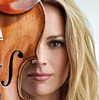
| 拉丽莎·西德林斯基 | ||||||||||||||||||
| Larissa Cidlinsky(德国) | ||||||||||||||||||
 |
||||||||||||||||||
| 拉丽莎·西德林斯基 | ||||||||||||||||||
| Larissa Cidlinsky(德国) | ||||||||||||||||||
|
德国小提琴家拉丽莎·西德林斯基(Larissa
Cidlinsky)是一位多才多艺的艺术家,她对独奏、室内乐和管弦乐队都充满热情。作为众多比赛的获胜者,她在国内和国际上都取得了成功。最近,她参加了伊赛国际小提琴比赛和波斯塔奇尼国际小提琴比赛的决赛,并获得了最佳巴赫诠释奖和最佳德国选手奖。最近,拉丽莎还获得了罗塔尔-Inn地区青年文化奖。2015年,她获得了DAAD奖学金,在纽约茱莉亚音乐学院学习。2010年,她在罗马举行的ANEMOS国际比赛中获得第一名。2017年,Larissa
Cidlinsky获得了Jurgen Ponto基金会的三年奖学金。 作为独奏家,她曾与Bad Reichenhaller爱乐乐团、Singrun交响乐团、布拉格交响乐团、雷根斯堡室内乐团和瓦瑟堡室内乐团合作演出。 此外,拉里萨·西迪林斯基还是一位热情的室内乐演奏家。她与大提琴手安东·斯普伦克一起,是“埃根费尔登古典音乐节”的发起人和艺术指导,该音乐节自 2016 年起每年在埃根费尔登举行。2016 年,她还获得了莱茵兰-普法尔茨维瓦姆音乐宫为期三年的奖学金,在那里她有机会与法齐尔·萨伊、温·小·郑和卡利多尔弦乐四重奏等艺术家合作演出。过去,这位年轻的长笛演奏家还曾到访过霍恩斯塔芬室内乐学院、森克音乐节、克罗恩堡学院、阿罗拉音乐之星音乐节、萨尔茨堡国际夏季学院、ISA 国际夏季学院和洛克豪斯音乐节。她还从米哈埃拉·马丁、雷因哈德·戈贝尔、托马斯·布兰迪斯、诺拉·查斯廷、库尔特·萨斯曼豪斯、英格尔·图班、雅伊尔·克莱斯和塔尼亚·贝克-本德等音乐家那里获得了重要的音乐启发。 |
||||||||||||||||||
|
|
||||||||||||||||||
希德林斯基小提琴 西曼诺夫斯基《第一小提琴协奏曲》 |
||||||||||||||||||
| Szymanowski: Concerto for Violin and Orchestra No. 1, O | ||||||||||||||||||
|
希德林斯基小提琴 西曼诺夫斯基《第一小提琴协奏曲》 魏玛音乐大学管弦乐团弗拉基米尔·尤洛夫斯基, 指挥家拉里萨·希德林斯基,小提琴 2025年12月12日在威马霍尔会议中心的音乐会录音 卡罗尔·西曼诺夫斯基(1882-1937):第一小提琴协奏曲,作品35 Karol Szymanowski本人将他的第一首小提琴协奏曲描述为“闻所未闻、精彩绝伦、令人惊讶”。这首作品在第一次世界大战期间仅用了十二天时间就完成了,是作曲家最常演奏的作品之一。然而,也许正是因为如此,令人惊讶的是,这部真正具有开创性的作品及其作曲家在当今的音乐生活中受到的关注相对较少,因为这首协奏曲预示着一个新时代的到来。根据音乐学的接受,这是音乐史上第一首完全现代的小提琴协奏曲。它的灵感来自塔德乌什·明斯基的诗《五月夜》(Noc majowa)。在协奏曲中,Szymanowski结合了现代主义和新开端的精神,但并没有放弃19世纪浪漫独奏协奏曲的精湛元素。协奏曲的外部形式被标记为一个乐章,但它可以分为五个相互交织的部分。给人的印象应该是,这不是一首分为乐章的协奏曲,而是一首由几个部分相互交织而成的大型幻想曲。 国际获奖者Larissa Cidlinsky正在确立其作为杰出且多才多艺的小提琴家的声誉。她最近获得了德国音乐比赛和EMF Pirastro青年艺术家奖的奖学金。她参加了克朗伯格学院的室内乐连接世界音乐节,在那里她与吉顿·克莱默、塔贝娅·齐默尔曼、约尔格·维德曼和克里斯蒂安·泰兹拉夫一起表演。2020年,她在德国音乐基金会比赛中获得了尼古拉斯·卢波特(1810年,巴黎)的小提琴奖。 Larissa Cidlinsky曾就读于Igor Ozim(萨尔茨堡莫扎特音乐学院)、Donald Weilerstein(纽约茱莉亚音乐学院),Ulf Wallin(HfM Hanns Eisler)、Ana Chumachenco(索菲亚王后高等学校)和Janine Jansen(沃州高等音乐学院)。她在魏玛跟随Friedemann Eichhorn完成了硕士和音乐会考试。 弗拉基米尔·尤洛夫斯基于1972年出生于莫斯科,在莫斯科音乐学院完成了他的第一部分音乐学习。1990年,他继续在德累斯顿和柏林的音乐学院学习,在那里他师从Rolf Reuter指挥,师从Semion Skigin唱歌。1995年,他在韦克斯福德音乐节上首次亮相国际舞台,指挥里姆斯基·科萨科夫的《浪子的进步》,同年,他与《纳布科》在考文特花园皇家歌剧院首次亮相。尤洛夫斯基自2021年起担任慕尼黑巴伐利亚国家歌剧院音乐总监,自2017年起担任柏林广播交响乐团首席指挥兼艺术总监。2021年,他辞去了伦敦爱乐乐团15年的首席指挥职务,成为该乐团的名誉指挥。 |
||||||||||||||||||
| Sidliniski Violin Concerto, Szymanowski's "First Violin Concerto" - Weimar University of Music Orchestra, Vladimir Yurovsky, Conductor, Larissa Sidliniski, Violin. Recording of the concert held at the Weimar Hall Conference Center on December 12, 2025. Karol Szymanowski (1882-1937): First Violin Concerto, Op. 35. Szymanowski himself described his first violin concerto as "unheard of, magnificent, astonishing". This work was completed in just twelve days during World War I and is one of the composer's most frequently performed works. However, perhaps because of this, it is surprising that this truly pioneering work and its composer have received relatively less attention in today's musical life, as this concerto heralded the arrival of a new era. According to musical reception, this is the first completely modern violin concerto in music history. Its inspiration came from Tadeusz Minski's poem "The Night of May" (Noc majowa). In the concerto, Szymanowski combined modernism and the spirit of a new beginning, but did not abandon the exquisite elements of the 19th-century romantic solo concerto. The external form of the concerto is marked as one movement, but it can be divided into five interwoven parts. The impression should be that this is not a concerto divided into movements, but a large fantasy composed of several interwoven parts. International award winner Larissa Cidlinsky is establishing her reputation as an outstanding and versatile violinist. She recently received a scholarship for the German music competition and the EMF Pirastro Young Artist Award. She participated in the Chamber Music Connecting World Music Festival at the Kronberg Academy, where she performed with Gidon Kremer, Tabia Zimmermann, Jörg Widmann, and Christian Tezlarz. In 2020, she won the Nicolas Loubert Prize (1810, Paris) at the German Music Foundation Competition. Larissa Cidlinsky studied at Igor Ozim (Salzburg Mozarteum), Donald Weilerstein (Julliard School in New York), Ulf Wallin (HfM Hanns Eisler), Ana Chumachenco (Queen Sofia High School), and Janine Jansen (Württemberg State Conservatory). She completed her master's and concert examinations under Friedemann Eichhorn in Weimar. Vladimir Yurovsky was born in Moscow in 1972 and completed his first part of music studies at the Moscow Conservatory. In 1990, he continued his studies at the music conservatories in Dresden and Berlin, where he studied under Rolf Reuter as a conductor and Semion Skigin as a singer. In 1995, he made his debut on the international stage at the Wexford Festival, conducting Rimsky-Korsakov's "The Progress of the Scoundrel", and in the same year, he made his debut with "Nabucco" at the Royal Opera House Covent Garden. Yurovsky has been the music director of the Bavarian State Opera in Munich since 2021 and has been the principal conductor and artistic director of the Berlin Radio Symphony Orchestra since 2017. In 2021, he resigned as the principal conductor of the London Philharmonic Orchestra after 15 years and became an honorary conductor of the orchestra. | ||||||||||||||||||
| 未得原作者编者授权严禁转载www.mt77.com任何内容 | ||||||||||||||||||









|
|
|
|||||
|
copyright © 2003-2005 xilu.com all rights reserved. |
|||||
|
|
|||||

