|
||||||||||||||||||||||||||
 |
 |
|||||||||||||||||||||||||
|
|


|
||||||||||||||||||
|
|
|
|||||||||||||||||
| 安东尼奥·斯特拉迪瓦里(Antonio Stradivari 约1644-1737) | ||||||||||||||||||
| 萨拉·泽内利(Sara Zeneli )& 斯特拉迪瓦里小提琴·特别音乐会 concert violin Stradivari "Lam ex Scotland" 1734 | ||||||||||||||||||
| 萨拉·泽内利与斯特拉迪瓦里小提琴“莱姆·来自苏格兰”(1734 年)的特别音乐会,由西-约音乐公司联合举办 2022 年 1 月 18 日 2021 年 12 月 8 日 - 乔瓦尼·阿韦迪音乐厅 这把来自 1734 年的莱姆·来自苏格兰大学斯特拉迪瓦里小提琴将在此次演出中使用,它暂时由西-约音乐协会基金会以及萨-温·莱姆家族无偿借给小提琴博物馆。 斯特拉迪瓦里小提琴“莱姆·来自苏格兰”大学 1734 年,出自安东尼奥·斯特拉迪瓦里之手,这把小提琴在演奏中使用的是它无偿借自西-约音乐协会基金会以及萨-温·莱姆家族的版本。 安东尼奥·斯特拉迪瓦里 - 来自苏格兰大学的 1734 年小提琴:克雷莫纳,1734 年:对于安东尼奥·斯特拉迪瓦里来说,他一生中最富有创造力的时期以及他在世上的存在都在漫长而激烈的旅程之后走向了尽头。这位小提琴制作师已近九十岁;几年前,在 1729 年,他亲自撰写了他的最后遗嘱,并从弗朗切斯科·维拉尼的继承人那里购买了家族墓地,以便自己安葬。最近有人推测,这把小提琴于 1727 年在年仅 24 岁时就去世了……这把小提琴很可能采用了“G”型结构,它与斯特拉迪瓦里制品的收藏一同由制琴师朱塞佩·菲奥里尼捐赠给了克雷莫纳市。据希尔斯所述,这把小提琴的名称源于这样一个事实:在 20 世纪初,这把乐器被乔治·D·N·尼尔(一位业余小提琴手,还拥有另一把斯特拉迪瓦里小提琴——泰雷尔小提琴,制作于 1717 年)捐赠给了苏格兰的一所大学。在 1963 年至 1969 年期间,雷伯特·沃利泽公司将这把小提琴售出多达四次:分别卖给路易斯·施拉德、杰里·卡斯特隆、P. J. 麦吉恩博士和米尔德里德·西纳尔夫人。1972 年,通过沃利泽公司再次将这把来自苏格兰大学的乐器购入给了重要的美国收藏家萨乌-温·拉姆。 法乌斯托·卡奇奥蒂 马德维博物馆藏品馆长 安东尼奥·斯特拉迪瓦里——马尔姆姆小提琴(来自苏格兰大学) 1734 年 | ||||||||||||||||||
|
Special concert with violin
Stradivari "Lam ex Scotland" 1734 in collaboration with Si-Yo Music 1月18日 2022年 8 december 2021 - Auditorium Giovanni Arvedi The Lam ex Scotland University 1734 Stradivarius Violin used in this performance is on gratuitous loan to the Museo del Violino from Si-Yo Music Society Foundation, Inc. and the family of Sau-Wing Lam. Il violino Stradivari Lam ex Scotland University 1734, utilizzato in questa audizione, è temporaneamente affidato al Museo del Violino, dalla Si-Yo Music Society Foundation, Inc. e dalla famiglia di Sau-Wing Lam. Antonio Stradivari - violin Lam ex Scotland University 1734 Cremona, 1734: for Antonio Stradivari, the most creative time of life as well as his worldly existence were coming to an end after a long and intense journey. The violin maker was about ninety; a few years earlier, in 1729, he had personally wrote his last wills and had purchased the family tomb from Francesco Villani’s heirs in view of his own burial. It has recently been supposed that the death in 1727, at only twenty-four,…… The violin was probably made using the “G” form which was donated to the Town of Cremona by the luthier Giuseppe Fiorini together with the collection of Stradivarian artefacts. According to the Hills, the violin’s name originated from the fact that, at the beginning of the 20th century, the instrument was donated to a Scottish University by George D.N. Neill, an amateur violinist who also owned another Stradivari, the violin Tyrell dated 1717. Between 1963 and 1969 the Rembert Wurlitzer firm sold the violin no fewer than four times: to Louis Schrade, Jerry Castellone, dr. P. J. McGlynn and Mrs. Mildred Sainer In 1972, once again through the Wurlitzer firm, the Lam ex Scotland University was bought by the important US collector Sau-Wing Lam. Fausto Cacciatori Curator of the MdV’s Collections Antonio Stradivari - violino Lam ex Scotland University 1734 |
||||||||||||||||||
|
|
||||||||||||||||||
|
音乐历史上的今天
1737年12月18日
最伟大的小提琴制作者安东尼奥·斯特拉迪瓦里(Antonio
Stradivari)在90多岁高龄在克雷莫纳去世。“他又高又瘦,习惯在冬天戴一顶白色羊毛帽,夏天戴顶棉质帽子,在衣服外面穿一件白色皮围裙。”(费蒂斯) |
||||||||||||||||||
 |
||||||||||||||||||
|
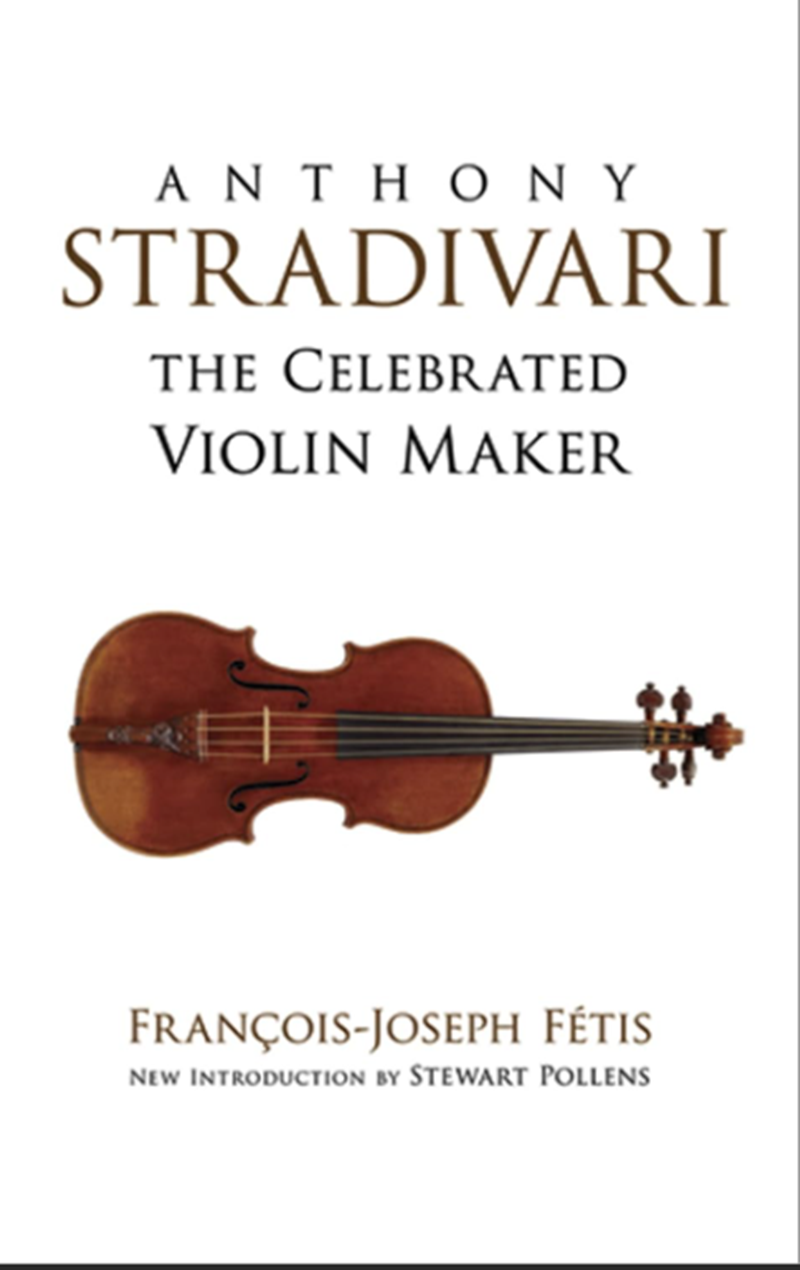
安东尼·斯特拉迪瓦里——这位著名的小提琴制作大师平装书——附插图,5月出版 19 世纪著名的音乐学家弗朗索瓦-约瑟夫·费蒂斯在著名小提琴制造商兼经销商让-巴蒂斯特·维瓦米埃的协助下,编纂了这部权威性的著作。该书重点介绍了意大利大师级小提琴制造商斯特拉迪瓦里的作品,探讨了弦乐器的早期历史和构造。此外,这部珍贵的资料还提供了 当代的帕格尼尼、舒曼和贝尔里奥等人物的罕见生动描述。 这本研究著作是 1864 年一份罕见出版物的重印版,为小提琴演奏者、音乐史学家以及所有年龄段的音乐爱好者提供了引人入胜的历史信息。著名音乐学家斯图尔特·波伦斯的新序言提供了更深入的见解。 |
||||||||||||||||||
 |
||||||||||||||||||
| 1691年的安东尼奥·斯特拉迪瓦里(Antonio Stradivari ) | ||||||||||||||||||
|
Anthony Stradivari the
Celebrated Violin Maker Paperback – Illustrated, May Renowned nineteenth-century musicologist François-Joseph Fétis assembled this authoritative survey with the assistance of noted violin maker and dealer Jean-Baptiste Vuillaume. Focusing on the work of the Italian master violin maker Stradivarius, this volume explores the early history and construction of stringed instruments. In addition, this valuable resource provides rare, contemporary glimpses of the world of Paganini, Schumann, and Berlioz. A reprint of a rare 1864 publication, this study offers intriguing historical information to violinists, music historians, and music lovers of all ages. A new Introduction by famed musicologist Stewart Pollens provides further insights. |
||||||||||||||||||
 |
||||||||||||||||||
|
图片:安东尼奥·斯特拉迪瓦里 安东尼奥·斯特拉迪瓦里这位杰出的小提琴制作大师所制作的乐器共有 650 件,至今仍完好留存。这些乐器售价高达数百万美元。 幸运的是,斯特拉迪瓦里获取木材的那片云杉树林如今仍在意大利阿尔卑斯山脉茁壮成长。它被称为“奏鸣之林”。在附近的菲梅山谷,有一群乐器制作师仍在以安东尼奥·斯特拉迪瓦里的方式进行制作。完成一件乐器需要数月时间,售价可超过 1 万美元。虽然这看起来价格不菲,但斯特拉迪瓦里式的小提琴售价可超过 1000 万美元。在砍伐树木之前,该社区的当地森林管理部门会确保周围有幼小的树苗。当成年树木被移除后,它会让更多的阳光照入,帮助幼小的树苗成熟。未来,这些树苗或许也会成为乐器。 |
||||||||||||||||||
|
Antonio Stradivari Photo: Antonio Stradivari - Wikimedia Commons There are 650 instruments made by Antonio Stradivari, the master violin-maker, that survive today and they sell for millions of dollars. Fortunately, the spruce tree forest where Stradivari got his lumber is still flourishing in the Italian Alps. It is known as “Il Bosco Che Suona,” the musical woods. In the nearby Fiemme Valley, there is a community of instrument makers who continue to create them in the same way as Antonio Stradivari. It takes months to complete a single instrument and can retail for over $10,000. While this may seem expensive, a Stradivarius can sell for over $10 million. Before a tree is cut down, the community’s local forest service makes sure there are tiny saplings surrounding it. When the adult tree is removed, it allows more sun in and helps the baby saplings to mature. In the future, these saplings may become musical instruments as well. |
||||||||||||||||||
 |
||||||||||||||||||
| 安东尼奥·斯特拉迪瓦里(Antonio Stradivari ) | ||||||||||||||||||
| 安东尼奥·斯特拉迪瓦里鲜为人知的故事: | ||||||||||||||||||
|
安东尼奥·斯特拉迪瓦里(Antonio
Stradivari,约1644-1737)被公认为历史上最伟大的小提琴制作大师,他的作品至今仍是音乐家与收藏家追逐的圣杯。尽管他的生平记载有限,但经过几个世纪的研究,一些“秘密”与不凡之处逐渐被揭开: 一、不凡经历:超越时代的匠人 1. 长寿与高产之谜 斯特拉迪瓦里活跃期超过70年(约1666-1737),晚年仍保持极高水准。他一生制作了约1100件乐器(现存约650件),其中许多是70岁后的“黄金时期”(1700-1725)作品。这种晚年突破在艺术史上极为罕见,可能与他持续的实验精神有关。 2. 并非“孤独的天才” 他曾在尼古拉·阿马蒂(Nicolò Amati)工作室学习,但早期作品已显独立风格。他可能接触过数学、建筑等领域的学者,其设计融合了几何学与美学原理,远超普通匠人。 3. 跨界经营者 他不仅是制琴师,还是精明的商人——亲自采购木材、研发漆料、管理作坊,甚至涉足房产投资。这种商业头脑使他能专注于艺术追求,无需为生计妥协。 二、不凡技艺:科学仍难解密的“魔法” 1. 木材的“秘密配方” · 特殊处理论:传说他使用阿尔卑斯云杉和枫木,并经河流漂流、海水浸泡或矿物处理,以改变木材密度与声学特性。现代科学检测发现,他的木材细胞结构异常均匀,可能源于小冰河时期树木缓慢生长形成的致密年轮。 · 真菌作用假说:近年研究发现,他的木材可能经过某种真菌预处理,既防腐又减轻重量,同时保持强度(类似现代“生物制材”技术)。 2. 神秘的“斯特拉迪瓦里漆” 他的漆料配方至今成谜,成分分析显示包含油性树脂、蛋白、蜂蜜甚至火山灰。这种漆不仅色泽如琥珀,更关键的是柔韧不裂纹,既能保护木材,又允许琴身自由振动。近年研究认为,漆的魔法可能被高估——实验表明,漆对音色影响有限,真正核心在于琴身结构。 3. 几何学的革命性运用 斯特拉迪瓦里开创了“长型琴体”设计(如1690年代的“长斯特拉”),通过数学比例调整共鸣箱尺寸,使音色更丰满、投射力更强。他可能借鉴了文艺复兴时期的“黄金分割”理论,但具体计算方式仍是未解之谜。 4. 音孔的“声学雕刻” 他雕刻的音孔(f孔)位置与形状极度精确,现代声学模拟显示,微调1毫米即影响频率响应。这种精度可能依赖特殊测量工具,但工具从未被发现。 |
||||||||||||||||||
 |
||||||||||||||||||
| 安东尼奥·斯特拉迪瓦里(Antonio Stradivari ) | ||||||||||||||||||
|
三、鲜为人知的“冷知识” 1. “救火英雄”的幸运 1737年斯特拉迪瓦里去世后,他的工具、模具和笔记被学徒及家族继承,但多数在历史中散佚。传说部分资料在19世纪一场火灾中被救出,否则后世连复制其工艺的机会都可能丧失。 2. 拿破仑的遗憾 拿破仑曾希望拥有斯特拉迪瓦里琴,但未能如愿。现存最著名的“弥赛亚”(Messiah,1716)琴因其近乎全新的保存状态,被称为“制琴学的圣杯”,现藏于牛津阿什莫林博物馆,极少公开演奏。 3. 现代科技的“挫败” 尽管CT扫描、AI分析已解析斯特拉迪瓦里琴的物理结构,但复制品始终无法完全还原音色。这可能源于木材的微观变异、** centuries of playing(数个世纪的演奏)** 对木材的改造,甚至是一种无法量化的“历史痕迹”。 四、争议与启示 · “神话”还是“科学”? 有学者认为,斯特拉迪瓦里的卓越源于漫长职业生涯中无数微调的经验积累,而非单一秘诀。他的真正天赋在于将材料学、声学与艺术直觉融合到极致。 · 时代背景的加持 他身处巴洛克音乐革命时期,音乐家需要更具表现力的乐器。同时,小冰河时期的木材、当地特殊的矿物成分,甚至意大利克里莫纳的空气湿度,都可能是成就传奇的“天时地利”。 斯特拉迪瓦里的遗产超越了乐器本身,他代表了一种匠人精神的巅峰——对完美的偏执追求、对传统的继承与打破,以及将手艺升华为艺术的永恒魅力。或许,最大的秘密正是人类双手与自然材料之间,那种难以言喻的共生关系。 |
||||||||||||||||||
 |
||||||||||||||||||
| ▲这把约阿希姆·马·斯特拉迪瓦里小提琴于2月3日在纽约苏富比拍卖会上展出。它以1130万美元的价格售出。( 安吉拉·韦斯/法新社/盖蒂图片社) | ||||||||||||||||||
| The Joachim-Ma Stradivarius violin is on display during a preview of the violin's auction at Sotheby's in New York City on Feb. 3. It sold for $11.3 million. | ||||||||||||||||||
| Antonio Stradivari (died around 1737) is widely regarded as the greatest violin maker in history. His works are still the holy grail that musicians and collectors pursue. Although his life story is limited, after several centuries of research, some "secrets" and extraordinary aspects have gradually been revealed: 1. Extraordinary Experience: A Timeless Craftsman 1. The Mystery of Longevity and High Output: Stradivari was active for over 70 years (1666-1737), maintaining an extremely high level in his later years. He produced approximately 1100 instruments (about 650 are still extant), many of which were from his "golden period" (1700-1725). This late breakthrough is extremely rare in art history and may be related to his persistent experimental spirit. 2. Not a "Solitary Genius": He studied in the workshop of Nicolò Amati, but his early works already showed an independent style. He may have been exposed to scholars in fields such as mathematics and architecture, and his design combined geometric and aesthetic principles, far exceeding that of ordinary craftsmen. 3. Cross-Disciplinary Operator: He was not only a violin maker but also a shrewd businessman - personally purchasing wood, developing lacquer, managing the workshop, and even investing in real estate. This business acumen enabled him to focus on artistic pursuits without having to compromise for survival. 2. Extraordinary Skills: Science Still Can't Decipher the "Magic" 1. The "Secret Formula" of Wood · Special Treatment Theory: It is said that he used Alpine fir and maple, and subjected them to river漂流, seawater soaking, or mineral treatment to change the density and acoustic properties of the wood. Modern scientific tests have found that the cell structure of his wood is extremely uniform, possibly due to the slow growth of trees during the Little Ice Age, resulting in dense annual rings. · Fungal Hypothesis: Recent research has found that his wood may have undergone some kind of pre-treatment by fungi, which not only prevented decay but also reduced weight while maintaining strength (similar to modern "biological timber" technology). 2. The Mysterious "Stradivari Lacquer" His lacquer formula remains a mystery to this day. Analysis of the ingredients shows that it contains oily resins, proteins, honey, and even volcanic ash. This lacquer not only has a color like amber but is also crucially flexible and free from cracks, protecting the wood while allowing the instrument body to vibrate freely. Recent research suggests that the magic of the lacquer may have been overestimated - experiments have shown that the lacquer has a limited impact on the sound quality, and the core lies in the structure of the instrument body. 3. Revolutionary Application of Geometry Stradivari pioneered the "long body shape" design (such as the "long Strad" from the 1690s), adjusting the size of the resonance box through mathematical proportions to make the sound richer and more projecting. He may have drawn on the "golden ratio" theory of the Renaissance, but the specific calculation method remains an unsolved mystery. 4. "Acoustic Sculpting" of Sound Holes He carved the sound holes (f-holes) with extreme precision in position and shape. Modern acoustic simulations show that a slight adjustment of 1 millimeter can affect the frequency response. Such precision may rely on special measuring tools, but the tools have never been discovered. | ||||||||||||||||||
 |
||||||||||||||||||
|
安东尼奥·里纳尔迪《安东尼奥·斯特拉迪瓦里在工作时的画像》,1886 年。 作者:莱马吉/柯比斯通过盖蒂图片社,编号:587490186。 |
||||||||||||||||||
|
Antonio Rinaldi glezna
"Antonio Stradivāri savā darbnīcā", 1886. gads. Avots: Leemage/Corbis via Getty Images, 587490186. |
||||||||||||||||||
| 3. Little-Known "Cold Knowledge" 1. The Lucky "Firefighter Hero" After Stradivari's death in 1737, his tools, molds, and notes were inherited by apprentices and the family, but most of them were lost in history. It is said that some of the materials were rescued in a fire in the 19th century, otherwise, future generations might have lost the opportunity to replicate his craftsmanship. 2. Napoleon's Regret Napoleon once hoped to own a Stradivari violin, but failed to do so. The most famous "Messiah" (1716) violin, with its nearly brand-new preservation state, is called "the holy grail of violin-making" and is currently housed in the Ashmolean Museum in Oxford, rarely performed. 3. The "Defeat" of Modern Technology Although CT scans and AI analysis have deciphered the physical structure of Stradivari violins, replicas still cannot fully replicate the sound quality. This might be due to the microscopic variations in the wood, the "centuries of playing" (the transformation of the wood over several centuries), or even an unquantifiable "historical trace". IV. Controversy and Insights · "Myth" or "Science"? Some scholars believe that Stradivari's excellence stems from the accumulation of countless fine-tuning experiences over his long career, rather than a single secret. His true talent lies in the ultimate integration of material science, acoustics, and artistic intuition. · The Influence of the Historical Context He was in the Baroque music revolution period, and musicians needed more expressive instruments. At the same time, the wood from the Little Ice Age, the special mineral components in the local area, and even the humidity of the air in Italy's Cremona, could all be the "favorable conditions" for creating the legend. Stradivari's legacy goes beyond the violins themselves; he represents the pinnacle of a craftsman's spirit - the obsessive pursuit of perfection, the inheritance and breaking of traditions, and the eternal charm of elevating craftsmanship to art. Perhaps the greatest secret is the indescribable symbiotic relationship between human hands and natural materials. | ||||||||||||||||||
|
|
||||||||||||||||||
 |
||||||||||||||||||
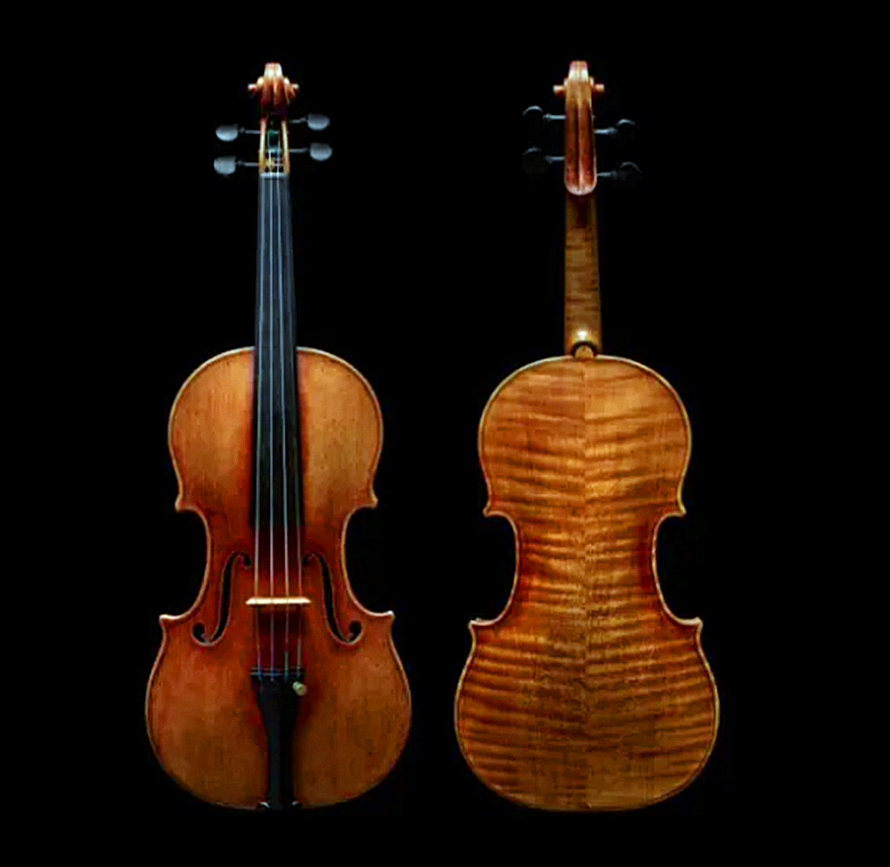
| 苏富比拍卖行主席兼美洲及全球业务发展主管玛丽-克拉乌迪娅·希门尼斯在接受彭博社采访时表示:“斯特拉迪瓦里制作的那些有着深沉且温暖音色的小提琴,被视为斯特拉迪瓦里所制作的最出色的乐器,而斯特拉迪瓦里本身也是最顶尖的制琴师之一。” | ||||||||||||||||||
 |
||||||||||||||||||
|
||||||||||||||||||
|
He does seem to be
a man who never grows old, always modest, and still an elegant violinist
who avoids showmanship and seeks to tap into melodic beauty.He did not
deliberately raise the standard note of the violin, as many violinists
do, to make his voice more prominent.He did not bend his bow as hard as
he could to turn his enthusiasm into enthusiasm.His choice of playing
Mendelssohn's violin concerto was very fitting...Menuhin handled the
music in a gentle and friendly way, sometimes with a smile, as if he and
his violin were intimate companions...He also did not play the
concerto's cadenza in a showy way, but rather, after careful
consideration, processed it into something consistent with the overall
lyricism of the concerto.It was a decent performance.Menuhin also made a
point of sharing the audience's applause with all the players on the
stage, as if they had been playing together indoors. Yehudi Menuhin (22 April 1916 -- 12 March 1999) was an American violinist and Jew.At the age of seven, she was praised as a "child prodigy" when she performed raro's "Spanish symphony" with the San Francisco symphony orchestra under the direction of her division passinger.Performed as a Beethoven violinist with the New York symphony orchestra.Performing Beethoven's violin concerto with major orchestras from Europe and the United States, followed by a recital at Carnegie Hall, he entered the ranks of the world's most famous violinists.After the war, he visited the Soviet union, Israel, Japan and India, which played a certain role in the cultural exchanges between the east and the west.In the 1970s he published his autobiography, the unfinished journey.His performance has brilliant skill, unique temperament and moving charm. |
||||||||||||||||||
 |
||||||||||||||||||
| 将近 90 年后,已故的美籍华裔音乐家马世宏购得这把小提琴,并一直使用到 2009 年他去世时(享年 84 岁)。在他去世前,他将这把弦乐器捐赠给了他的母校——新英格兰音乐学院(NEC)。如今,该学院与拍卖行合作,以马世宏的条件将这把乐器进行拍卖,即拍卖所得全部用于资助学生奖学金。 | ||||||||||||||||||
| Nearly 90 years later, the late Chinese-American musician Si-Hon Ma purchased the violin and used it all the way until his passing in 2009 at the age of 84. Before his death, he ended up donating the stringed instrument to his alma mater, the New England Conservatory (NEC). Now, the school has teamed up with the auction house to sell the instrument under Ma’s condition that all proceeds go toward supporting student scholarships. | ||||||||||||||||||
 |
||||||||||||||||||
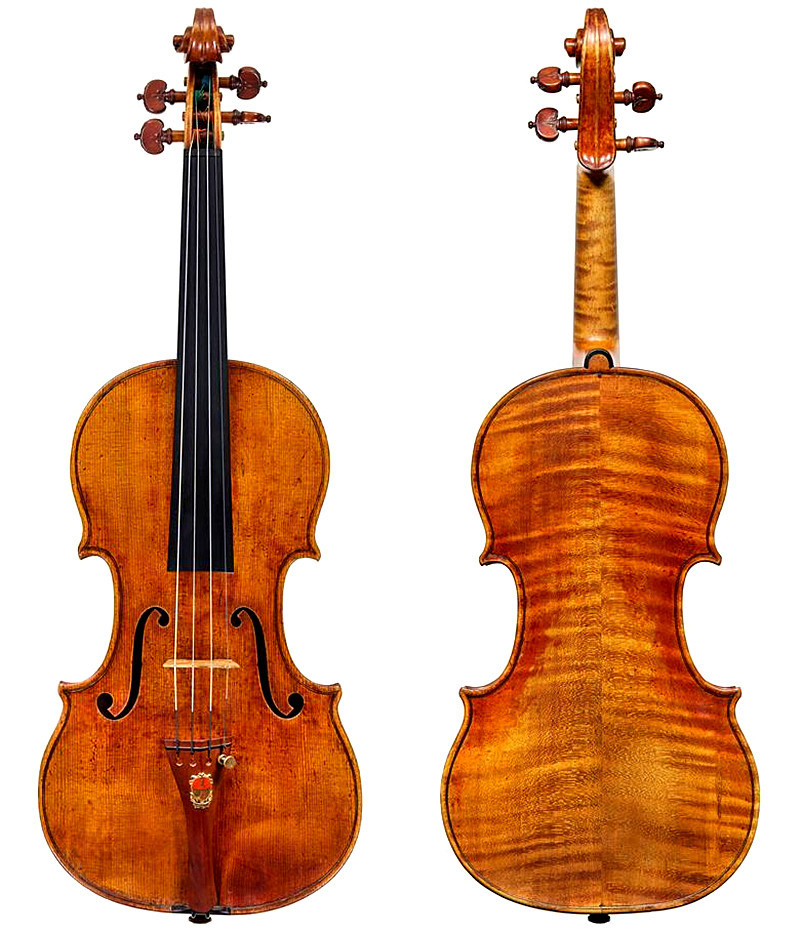
| 这是安东尼奥·斯特拉迪瓦里在1691年制作的一把琴 | ||||||||||||||||||
| This is a violin made by Antonio Stradivari in 1691. | ||||||||||||||||||
 |
||||||||||||||||||
| ▲安东尼奥·斯特拉迪瓦里 (Antonio Stradivari) 创作的“海菲兹·皮尔”,克雷莫纳,约 1731 年 © Tarisio / Robert Bailey | ||||||||||||||||||
| The ‘Heifetz, Piel’ by Antonio Stradivari, Cremona, c.1731 © Tarisio / Robert Bailey | ||||||||||||||||||
|
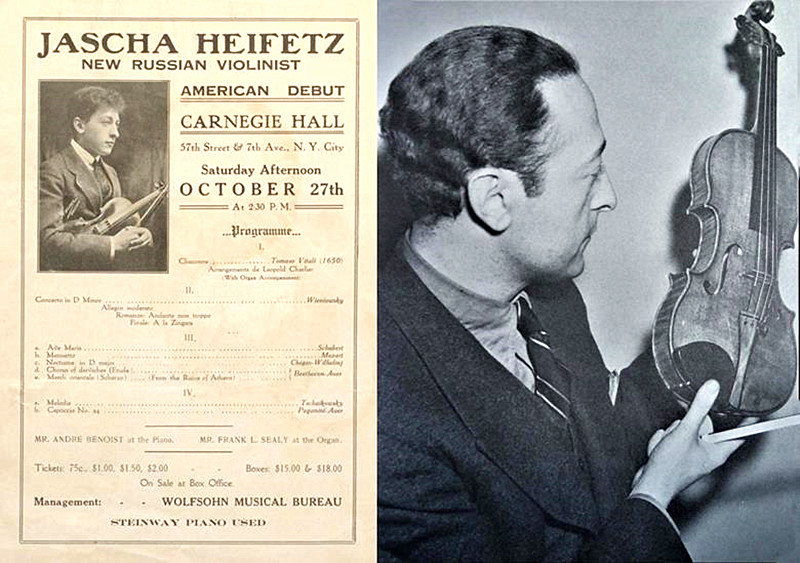
塔里西奥公司,有着顶级乐器及琴弓专家,近日他们宣布拍卖海菲兹的1731年斯特拉迪瓦里小提琴。这把小提琴曾被这位传奇演奏家收藏近30年,并在他辉煌的职业生涯中最重要的几十年里演奏过,塑造了他的艺术造诣,并激励了一代又一代的小提琴家和音乐爱好者。 塔里西奥“Tarisio”公司的创始人兼专家杰森·普莱斯Jason Price表示:“这把小提琴代表了制作者和音乐家的非凡融合:安东尼奥·斯特拉迪瓦里是人类历史上最优秀的小提琴制作者,而海菲兹被许多人认为是有史以来最优秀的小提琴家。” “《海菲兹,皮尔》本身就是一件非凡的乐器,而且它还因被海菲兹在其职业生涯中最受好评的时期选中而更加珍贵。” 这把“海菲兹,皮尔”的迷人旅程跨越了三个世纪。它制作于斯特拉迪瓦里生命的最后十年,曾辗转于包括经销商路易吉·塔里西奥和收藏家沙波奈伯爵在内的多位显赫人物之手。1908年,成功的德裔美国酿酒业巨头迈克尔·皮尔为儿子鲁道夫购得了这把小提琴。1917年,海菲兹在卡内基音乐厅惊艳首演后不久,鲁道夫便将其借给了年轻的海菲兹。海菲兹对这把乐器如此痴迷,以至于在1922年将其买下。 |
||||||||||||||||||
 |
||||||||||||||||||
|
||||||||||||||||||
|
在此期间,海菲茨创作了里程碑式的诠释,至今仍是小提琴家的标杆,其中包括他1939年与库塞维茨基和波士顿交响乐团录制的勃拉姆斯协奏曲的著名录音。1950年,海菲茨将这把斯特拉迪瓦里小提琴卖给了堪萨斯州威奇托市的著名收藏家兼飞机工程师萨姆·布鲁姆菲尔德。几年后,它又被一位匿名收藏家私下珍藏了五十多年。 海菲兹一生中拥有另外两把重要的小提琴:“海豚”斯特拉迪瓦里和“大卫”瓜奈里·德尔·耶稣,这两把琴现在都在私人基金会的手中,再也没有出售过。 “我们这辈子再也没有机会拥有海菲兹的遗产了,”塔里西奥公司董事卡洛斯·托梅Carlos Tomè说道。“如果这把小提琴能被一位能够传承海菲兹遗产、激励后世之人的才华所发掘,那将是一段美好的篇章。” tarisio.com/heifetz上有一篇全面记录这把小提琴起源和文化意义的文章。 |
||||||||||||||||||
|
|
||||||||||||||||||
|
Today in the
history of music December 18, 1737 - Antonio Stradivari, the greatest violin maker, passed away at the age of over 90 in Cremona. "He was tall and thin. He was accustomed to wearing a white woolen hat in winter and a cotton hat in summer. He wore a white leather apron over his clothes." (Fettes) Antonio Stradivari (1644 - 1737), a violin maker from the Cremona region of Italy, studied under Niccolò Amati. The stringed instruments he made are regarded as the models in the history of violin making due to their craftsmanship and sound quality. Stradivari produced approximately 1,100 instruments in his lifetime, with about 650 remaining. His works are referred to as "Stradivari" or "Streda", and many of the existing instrument cavities have the mark "Antonius Stradivarius Cremonensis Faciebat anno". Stradivari's early works continued the style of Amati, and after 1699, the spiral design on the top of the violin broke the tradition, forming a dynamic curve with tension and relaxation. Around 1700, he entered his creative golden age. Representative works include the violin "Alard" made in 1715 and the work "Wieniawski" made in 1719. One of his 1714-made violins was auctioned for 11.3 million US dollars. His craftsmanship is known for the lacquer formula and wood treatment: the lacquer contains minerals such as silicon and calcium, having both protective and aesthetic value; the wood is selected from high-density Alpine fir during the Little Ice Age and treated with fungi and preservative soaking. Modern research has disputes over the cause of the sound of his instruments regarding physical structure and chemical treatment. Some blind tests show that listeners prefer the sound of modern violins, but his historical value is still highly regarded. Today's video: 1. Special Concert with Sarah Zernelli and Stradivari Violins; 2. Zimmermann: The Soul of Stradivari Violins. |
||||||||||||||||||
|
|
||||||||||||||||||
斯特拉迪瓦里小提琴的灵魂 齐默尔曼 |
||||||||||||||||||
| F.P. Zimmermann: The Soul of the Stradivarius Violin | ||||||||||||||||||
|
F.P.
齐默尔曼:斯特拉迪瓦里小提琴的灵魂
乐谱 附带配乐 2019 年 5 月 10 日
斯特拉迪瓦里“林奇奎恩夫人”是著名小提琴家弗兰克·彼得·齐默尔曼的“灵魂伴侣”。但两年后,他不得不放弃这把乐器。一个电影摄制组陪伴这位小提琴家,记录他在与失去的爱情重归于好的过程中的种种经历。小提琴的灵魂究竟在哪里?她是否隐匿于森林之中?是工艺本身吗?还是小提琴家在音乐厅里不断重新创造它?这两个故事紧密交织,都在讲述寻找和找到完美声音的故事。 |
||||||||||||||||||
|
|
||||||||||||||||||
| 未得原作者编者授权严禁转载www.mt77.com任何内容 | ||||||||||||||||||




|
|
|
||||||
|
© 2003-2005 xilu.com all rights reserved. |
||||||
|
|
||||||

