|
||||||||||||||||||||||||||
 |
 |
|||||||||||||||||||||||||
|
|


|
||||||||||||||||||
|
|
|
|||||||||||||||||
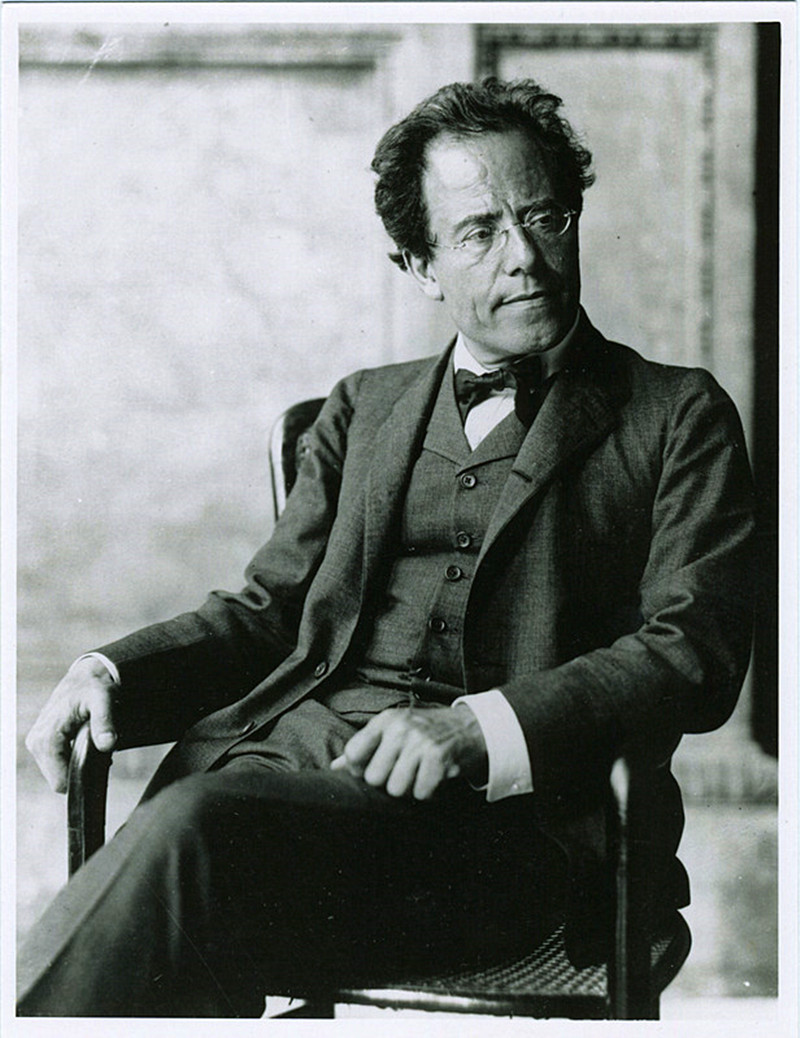
| 古斯塔夫·马勒 (Gustav Mahler,1860—1911) | ||||||||||||||||||
| 伯恩斯坦《马勒:第二交响曲“复活”》伦敦交响乐团 | ||||||||||||||||||
|
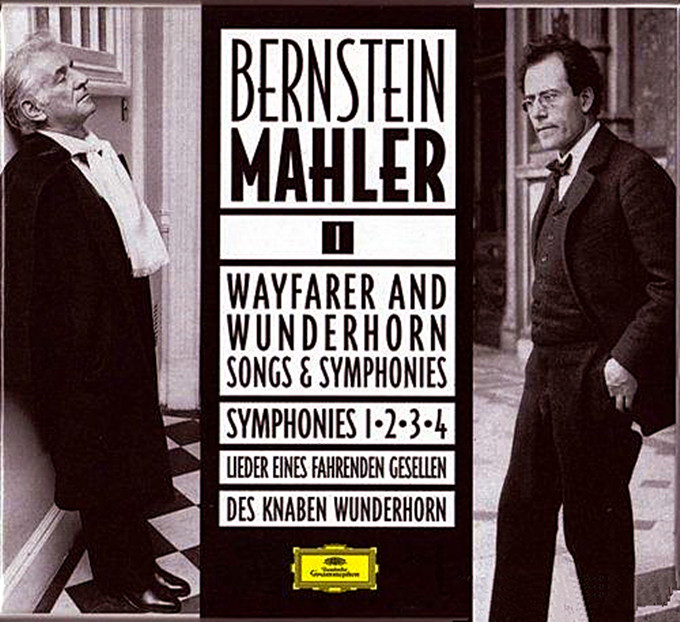
Gustav Mahler (1860—1911) Symphony No. 2 in C minor "Resurrection" Sheila Armstrong, soprano Janet Baker, mezzo-soprano Edinburgh Festival Chorus Arthur Oldham, chorus master London Symphony Orchestra Leonard Bernstein, conductor Recording: Ely Cathedral, 9/1973 古斯塔夫·马勒 (1860—1911) c 小调第二交响曲 “复活” 希拉·阿姆斯特朗,女高音 珍妮特·贝克,次女高音 爱丁堡音乐节合唱团 亚瑟·奥尔达姆,合唱指挥 伦敦交响乐团 伦纳德·伯恩斯坦,指挥 录制:1973年9月,伊利大教堂 © 1974 (2005) 伯恩斯坦在 1973 年 9 月,第二次录制的马勒《第二》,是其卸任纽约爱乐乐团总监后,极大扩大自己活动范围的名演。这期间伯恩斯坦艺术阐释更有深度,演出地在剑桥的伊利大教堂(Ely Cathedral)录制,合作对象是之后担任音乐总监、与其一拍即合的伦敦交响乐团。相比与纽约爱乐乐团的演绎,此版本延长接近5分钟,伯恩斯坦在相对缓慢的节奏中,极尽发挥了他的想象力,全曲最后在排山倒海的高潮中结束。 《第二》的别名“复活”,因其末乐章中女高音与合唱的歌词来自德国诗人克洛普施托克的同名诗篇。最后的一段歌词,“展开我为自己取得的翅膀……”,却是马勒自己的文字。这个效法贝多芬《第九交响曲》的带合唱的末乐章,是在前面四个乐章完成之后,又让马勒憔悴了一年才写成的。它对应第一乐章“葬礼”,对死的意义,进而也是对生的意义作出回答。而那首“死之祭”,又曾是马勒本人非常看重,却遭到他的恩师汉斯·吉多·弗莱赫尔·冯·彪罗(Hans Guido Freiherr von Bülow)断然否定的一首单独的交响诗。从弦乐器上的阴沉而强有力的碎弓开始,到一个鼓号齐鸣的庄严主题在管乐器上出现,形成宽广、高远的气势。第二乐章有优美的抒情,在沉郁中流露出温婉。谐谑曲从活泼、撩人的打击乐和流畅的木管乐稍带幽默的曲调,逐渐演变成怪诞乃至恐怖。第四乐章“原光”其实是末乐章的引子,女低音独唱的《啊,红玫瑰》,歌词选自《少年魔角》。由这个短小而朴素的慢乐章,把我们带入集天地人为一体,气象万千的末乐章。 1 庄严的快板,表情非常严肃庄重 -1:31 2 中板行板,非常从容 -25:44 3 谐谑曲风格:平静而流畅的动态 -38:23 4 “原始之光” 庄重而简朴 -49:18 5 谐谑曲速度:狂野地冲出→缓慢的→有力的快板 -54:53 1:05:46 1 Allegro maestoso. Mit durchaus ernstem und feierlichem Ausdruck -1:31 2 Andante moderato. Sehr gemächlich -25:44 3 In ruhig fliessender Bewegung -38:23 4 "Urlicht" Sehr feierlich, aber schlicht -49:18 5 Im Tempo des Scherzo. Wild herausfahrend - Langsam - Allegro energico -54:53 |
||||||||||||||||||
|
|
||||||||||||||||||
|
音乐历史上的今天 1895年12月12日,古斯塔夫·马勒在柏林自费指挥了第二交响曲 复活,并忍受着生平最厉害的偏头痛。“之后我看见成年人在哭泣,年轻人互相拥抱。”马勒的妹妹报告说。
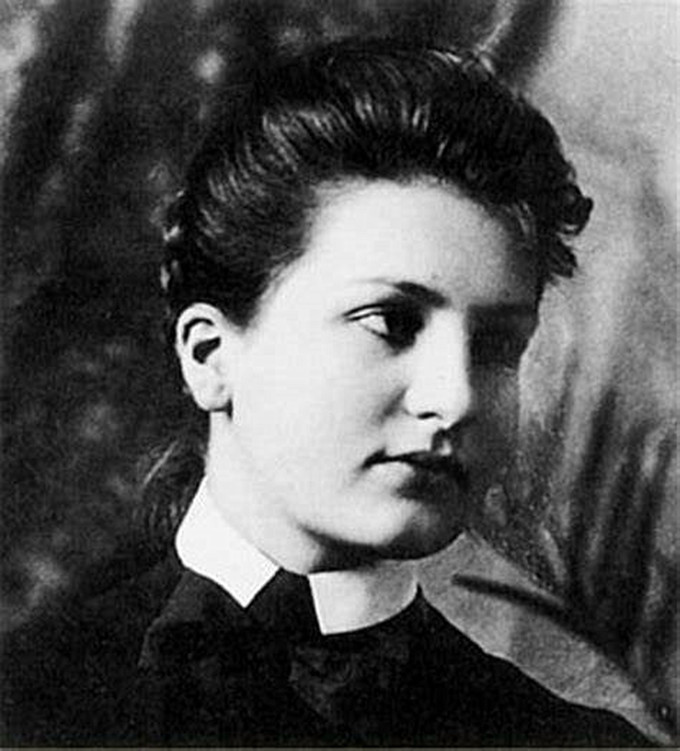
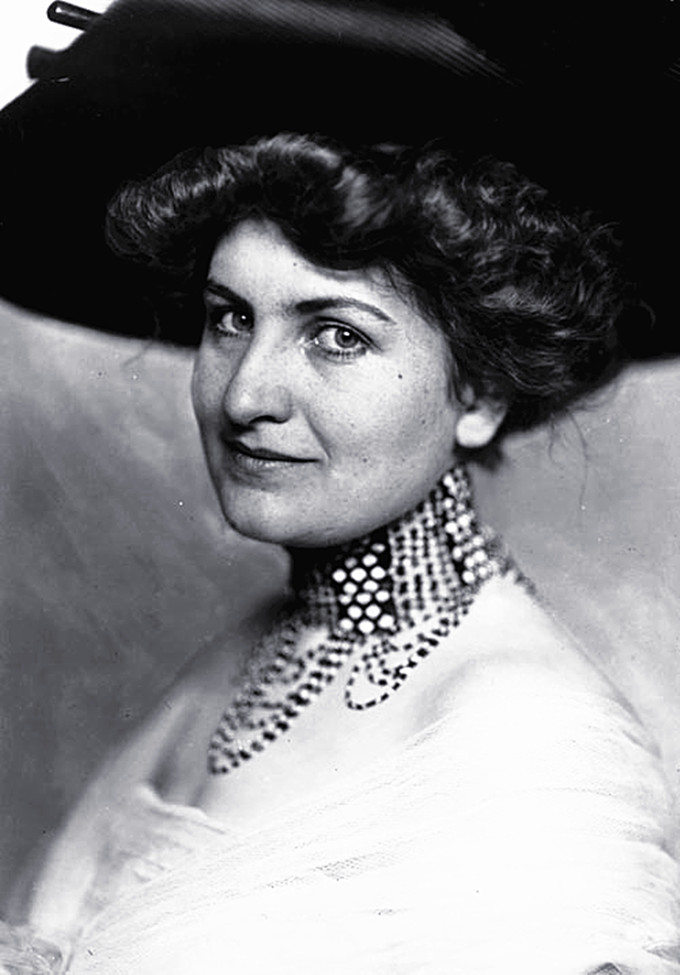
在波西米亚的卡里什特,1860年7月7日这一天,又一颗让世界为之瞩目的乐坛明星诞生了,他就是奥地利著名作曲家、指挥家——古斯塔夫·马勒(Gustav
Mahler,1860—1911)。 |
||||||||||||||||||
 |
||||||||||||||||||
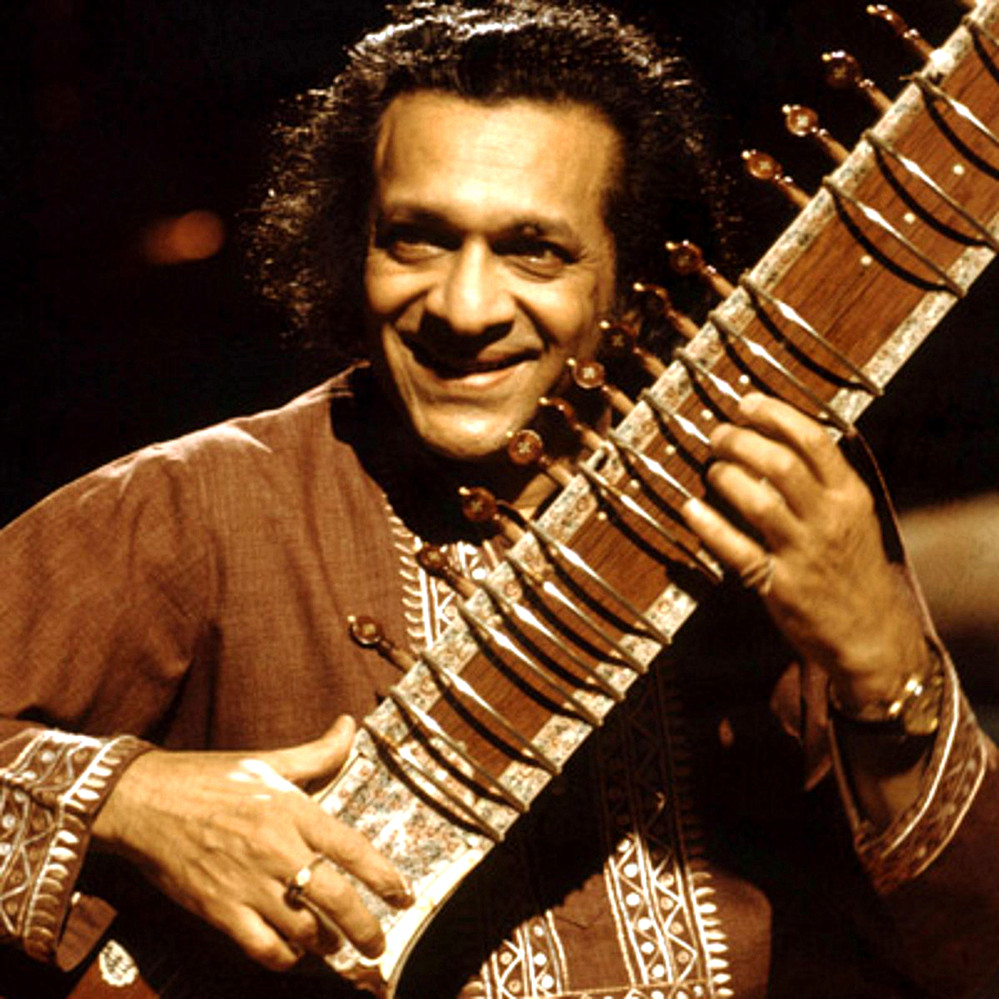
| 年轻的拉维·香卡(Ravi Shankar ) | ||||||||||||||||||
 |
||||||||||||||||||
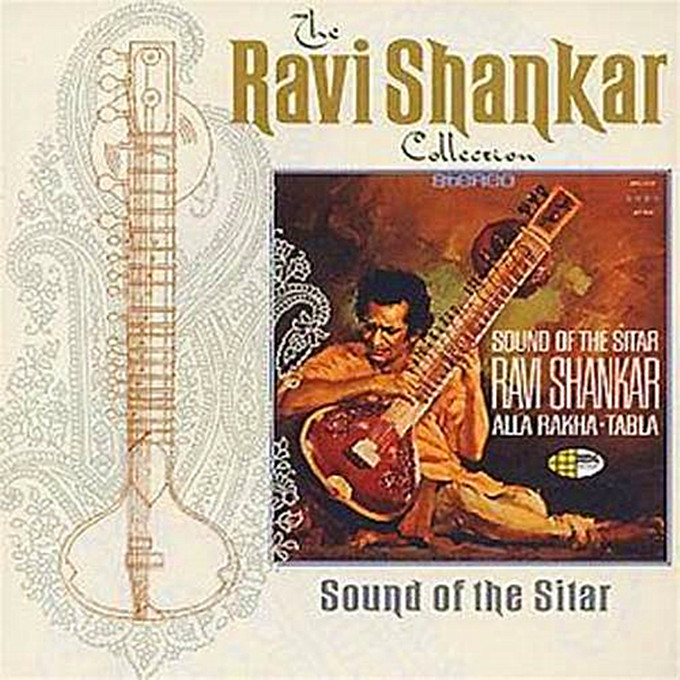
| 拉维·香卡从艺七十多年,在演奏、创作、理论诸方面都有建树,出版发行了大量的CD、VCD、DVD,创作了几十首风格各异的拉格以及大量的电影音乐、舞蹈音乐等。这是拉维·香卡(Ravi Shankar )灌录从唱片《锡塔琴的声音》,他的音乐传遍了世界各地,受到人们的喜爱。 | ||||||||||||||||||
| Ravi Shankar has been an artist for more than 70 years. He has made great achievements in performance, creation and theory. He has published a large number of CDS, VCDS and DVDS, and created dozens of raga songs with different styles, as well as a large number of film music and dance music.This is a recording by Ravi Shankar from the record "The Sound of sitar," and his music has spread all over the world and is loved by people. | ||||||||||||||||||
 |
||||||||||||||||||
|
帕迪特·拉维·香卡诞辰纪念日:关于这位传奇西塔尔琴演奏家的一切 香卡在 18 岁时放弃了舞蹈生涯,随后在乌斯塔德·阿卢杜丁·汗的指导下学习萨特里长达七年之久。1939 年 12 月,他在与西塔尔演奏大师阿里·阿克巴尔·汗的二重奏表演中首次登台演奏西塔尔。 |
||||||||||||||||||
|
Pandit Ravi Shankar Birth
Anniversary: All about the legendary Sitarist Shankar studied the sitar for seven years under Ustad Allauddin Khan after quitting dance at the age of 18. He made his sitar debut in December 1939 while playing a jugalbandi (duet) alongside sitar virtuoso Ali Akbar Khan. |
||||||||||||||||||
| 关于马勒《第二交响曲“复活”》鲜为人知的秘密 | ||||||||||||||||||
|
马勒《第二交响曲“复活”》不仅是他个人艺术生涯的里程碑,也是整个浪漫主义晚期音乐的一座丰碑。其创作背景复杂,过程漫长,并且确实蕴含着许多不为大众所知的秘密。 创作背景:对生命与死亡的终极拷问 1. 直接的催化剂:马勒的“送葬”与“重生” · 1888年,马勒创作了一首名为《葬礼》的单乐章交响诗。这首作品情感炽烈,充满了对死亡的挣扎与叩问。后来,它成为了《第二交响曲》的第一乐章。马勒曾坦言,这个乐章是为他心中“逝去的英雄”举行的葬礼,而这个“英雄”,后来被研究者广泛认为是马勒自己——象征着他旧有信念或纯真时代的终结。 · 创作过程中,马勒深受好友汉斯·冯·彪罗去世的触动。在彪罗的葬礼上,他听到合唱团演唱克洛普施托克的赞美诗《复活》,瞬间获得了“像一道闪电击中了我”的灵感,从而为整部交响曲找到了标题和最终的解决之道——复活。 2. 哲学与信仰的挣扎 · 马勒身处19世纪末,科学与理性动摇传统宗教的“世纪末”焦虑之中。他不再是虔诚的犹太教徒,也无法完全接受基督教。他一生都在追问:生命的意义是什么?死后是否有来世? · 《复活》交响曲正是这一精神旅程的音乐化呈现:从第一乐章对死亡的怒吼与质疑,到最终乐章通过信仰(人声与合唱)获得超脱与救赎。他动用了庞大的管弦乐队、女高音、女低音、合唱团和管风琴,几乎穷尽一切音响手段来描绘从地狱到天国的历程。 3. 个人生活与艺术追求的融合 · 创作此曲时,马勒正处于事业上升期(先后担任布达佩斯歌剧院和汉堡歌剧院的指挥),但工作压力和“身为犹太人”的社会疏离感让他深感孤独。他将全部的个人情感——对自然的敬畏、对命运的恐惧、对爱的渴望、对永恒的向往——都倾注于这部作品中。 二、鲜为人知的秘密 1. 最初的“英雄”是谁?不止一个答案。 · 除了“马勒自己”,这个“英雄”可能还指德国作曲家约翰尼斯·勃拉姆斯。马勒在创作第一乐章时,正逢勃拉姆斯晚年,他对这位前辈大师充满崇敬。而勃拉姆斯于1897年去世,也与交响曲的完成时间(1894年完成,但修订至1895年首演)有交集。葬礼乐章中或许也包含了对一代音乐巨匠逝去的哀悼。 2. 神秘的“Urlicht”(原光)乐章来源 · 第四乐章《原光》是一段极为纯净、内省的女低音独唱,歌词选自德国古诗集《少年魔号》。但鲜为人知的是,马勒最初为这个乐章谱曲时,脑海中萦绕的是他暗恋的一位女歌手的形象。这段音乐充满了神圣的、非尘世的爱意,后来才被他赋予了更普世的哲学意义。 3. 首演的波折与“假”首演 · 1895年3月4日,马勒只指挥了前三个乐章进行了“试演”(柏林),反响平平。真正的全曲首演是1895年12月13日,由他亲自指挥。首演时,马勒极度紧张,甚至在最终乐章排练时,因对合唱效果不满而一度情绪崩溃。 演出结束后,他因为筋疲力尽而晕倒,但醒来时作品已获得巨大成功。 4. “复活”的歌词被马勒“魔改” · 马勒并未完全使用克洛普施托克的诗作。在最终乐章,他亲自撰写了大部分歌词,将原诗的基督教色彩弱化,注入了更个人化、更普世的神秘主义信仰。他笔下的复活,不是简单的基督教末日审判,而是一种宇宙性的、万物有灵的、通过爱与信仰获得的精神重生。他曾说:“这不再是基督教的天堂……而是存在本身的终极胜利。” 5. 对贝多芬《第九交响曲》的隐秘致敬与超越 · 马勒明确想创作一部像贝多芬《第九》那样“加入人声”的划时代交响曲。但在结构上,他走得更远:《第九》的人声在末乐章才出现,作为“器乐无法表达时的补充”;而《复活》从第四乐章就开始引入人声,并将器乐与人声完全融合,使其成为表达不可言喻之境的必要工具,实现了对前人的超越。 6. 马勒的“指挥”彩排怪癖 · 在排练最终乐章的极弱段落时,马勒曾要求所有乐手和合唱团员“想象自己已经死亡,正从墓穴的另一端传来声音”。他追求一种非人间的、来自远方的音响效果,这种对极致音响想象的追求,在当时是革命性的。 《第二交响曲“复活”》是马勒用音乐书写的一部个人精神史诗。它从一场为“旧我”或“偶像”举行的葬礼开始,经历了对田园的追忆、对生命的嘲讽、对纯真本源的呼唤,最终在排山倒海的复活颂歌中,完成了对死亡恐惧的征服。 那些“鲜为人知的秘密”——无论是多重指代的“英雄”、私人情感在乐章中的烙印,还是他对歌词的篡改和对传统形式的颠覆——都揭示了一个核心事实:对马勒而言,作曲绝非纯粹的技艺展示,而是用全部生命体验进行哲学探索和灵魂自白的过程。这部作品不仅预示了他后续交响曲的庞大结构与人声运用,也奠定了其“用世界包容一切”的音乐宇宙观。它至今仍能震撼听众,正是因为其中饱含的对生死命题最真挚、最磅礴的拷问。 |
||||||||||||||||||
 |
||||||||||||||||||
| 拉维·香卡(Ravi Shankar )在波士顿的演奏会 | ||||||||||||||||||
| 拉维·香卡是如何创造音乐历史的 | ||||||||||||||||||
|
1967-68年冬天,我去了波士顿的拉维·香卡(RaviShankar)演唱会。礼堂里挤满了印度古典音乐爱好者,好奇者,潮流追随者以及大量嬉皮士和摇滚迷。我估计,
十有八九都不到30岁,其中大多数人居住在称为“反文化”的新环境中。经过艰苦的尝试,香卡(Shankar)成为了一位超级巨星,他在6月的“爱之夏”(Summer
of Love)开幕之际参加了蒙特利流行音乐节(Monterey Pop
Festival),这是他的历史性演出。他的表演引起了无数人的关注,第二年D. A.
Pennebaker开创性的纪录片《蒙特利·波普》(Monterey
Pop)发行后,他的表演更是震撼人心。影片包括Simon和Garfunkel,Jefferson飞机,Who,Otis
Redding,Janis Joplin和Jimi
Hendrix等偶像的表演,他们以着火的方式点燃吉他并将其粉碎成碎片。但是,观众们对电影的高潮时刻惊叹不已,离开了剧院,这是香卡(Shankar)令人惊叹的四个小时片长约18分钟。 在开始波士顿演出之前,香卡向观众致辞。他说,他已经了解到年轻人在参加音乐会之前正在吸毒,认为如果他们被扔石头,他们会更欣赏音乐。他不喜欢这个主意。他说,那时大约48岁,因此是婴儿潮一代中的一位年长者,他说我们应该以干净的神经系统来欣赏音乐,而如果我们想扩大思维,我们应该通过冥想和瑜伽来做到。实际上,您可以听到集体的“ Bummer”!源于失望者大脑的改变。 |
||||||||||||||||||
 |
||||||||||||||||||
| 1956年后,拉维开始在欧美各国巡演并获得巨大的成功,其间他还在洛杉矶建立了一所印度音乐学校,他把他的一生都交给了他热爱的印度和古典音乐事业。 | ||||||||||||||||||
| After 1956, Ravi began to tour Europe and the United States to great success, during which he also established an Indian music school in Los Angeles, and he devoted his life to his love of India and classical music. | ||||||||||||||||||
|
HOW RAVI SHANKAR
MADE MUSICAL HISTORY In the winter of 1967-68, I went to a Ravi Shankar concert in Boston. The auditorium was packed with aficionados of Indian classical music, curiosity seekers, trend followers, and a boatload of hippies and rock fans. Nine of ten, I would estimate, were under 30, and most of them inhabited the new landscape called ‘counterculture’. Without trying, and with considerable reluctance, Shankar had become a superstar, having made his historic appearance at the Monterey Pop Festival that June, at the onset of the Summer of Love. His performance had blown thousands of minds, and many times more were blown when D. A. Pennebaker’s groundbreaking documentary Monterey Pop was released the following year. The film included performances by icons like Simon & Garfunkel, the Jefferson Airplane, the Who, Otis Redding, Janis Joplin and Jimi Hendrix, who famously lit his guitar on fire and smashed it to pieces. But audiences left the theater with their minds blown by the climactic moments of the film, about 18 minutes of Shankar’s stunning four-hour set. Before starting that Boston performance, Shankar addressed the audience. He said he'd learned that young people were taking drugs before coming to his concerts, thinking they would appreciate the music more if they were stoned. He did not like that idea. About 48 at the time, and therefore an elder to the baby boomers in attendance, he said we should come to the music with clean nervous systems, and if we wanted to expand our minds we should do so with meditation and yoga. You could practically hear a collective "Bummer!" emanating from the altered brains of the disappointed. |
||||||||||||||||||
|
但是其他人有不同的反应。对他们来说,香卡的声明证实了他们开始怀疑的事情:迷幻的经历是通向意识状态的窗口,而意识状态可以通过同样古老的智慧得以培育出来,这种古老的智慧可以通过培养,甚至兴起于我们的音乐来获得。来听听。伟大的小提琴手耶胡迪·梅纽因(Yehud
Menuhin)在50年代中期首次邀请香卡(Shankar)来到西方,他在回忆录中说,印度音乐的目的是“使一个人对其中的无限敏感,使人的呼吸与空间,随着宇宙的振动而振动。” 许多听众都感到振动的转变及其产生的欣快感引发了对印度精神宝藏的广泛探索。出于这个原因,拉维·香卡(Ravi Shankar)对当代精神的贡献以及他非凡的技巧,作为音乐会和电影音乐的作曲家的高产以及在促进该国的音乐传统和世界音乐方面的作用都应引起人们的广泛关注。 |
||||||||||||||||||
 |
||||||||||||||||||
| 拉维·香卡(Ravi Shankar )和他的学生哈里森(Shankar-Harrison) | ||||||||||||||||||
|
香卡和哈里森(Shankar-Harrison)的关系直接导致了1967年8月的分水岭,当时甲壳虫乐队遇到了Maharishi
Mahesh Yogi,并进行了超然冥想,不久之后,他们在他的恒河上的住所里住了很久。
音乐方面,主要结果是《白色专辑》。
从精神上讲,它导致了冥想和印度灵性其他表达方式的主流化,包括今天的哈他瑜伽和契丹的繁荣,乔治与拉达·克里希纳·邓波(Radha
Krishna Temple)在流行地图上的传统诵经,他与野兔·克里希纳(Hare
Krishna)奉献者/音乐家制作的1970年专辑 。 音乐,友谊,协作和精神转型的强大结合构成了独特的遗产。 潘迪特·拉维·香卡(Pandit Ravi Shankar)的非凡人生,应因其对西方精神转型的贡献以及其惊人的技巧和在将印度古典音乐带入世界其他地区所发挥的无与伦比的作用而受到赞扬。 |
||||||||||||||||||
 |
||||||||||||||||||
| 拉维·香卡(Ravi Shankar )和他的学生哈里森(Shankar-Harrison) | ||||||||||||||||||
|
The
Shankar-Harrison bond led directly to the watershed
moment in Aug., 1967, when the Beatles met Maharishi
Mahesh Yogi and took up Transcendental Meditation,
and a short while later their famous sojourn at his
ashram on the Ganges. Musically, the chief result
was the White Album. Spiritually, it led to the
mainstreaming of meditation and other expressions of
Indian spirituality, including today's boom in hatha
yoga and kirtan, the traditional chanting that
George put on the pop map withRadha Krishna Temple,
the 1970 album he produced with Hare Krishna
devotee/musicians. That powerful mix of music, friendship, collaboration, and spiritual transformation constitutes a unique legacy. The remarkable life of Pandit Ravi Shankar should be celebrated as much for its contribution to the spiritual transformation of the West as for his astonishing virtuosity and his unmatched role in bringing classical Indian music to the rest of the world. |
||||||||||||||||||
 |
||||||||||||||||||
|
伯恩斯坦:马勒,他的时代已经来临 伯恩斯坦颇有见地的1987年维也纳爱乐版马勒第五交响曲,在放大镜下重新审视。“这个版本最值得称道是伯恩斯坦自己,他激情澎湃,使音乐充满魔力抑扬顿错,并一无反故地引导乐曲直达终曲的辉煌!感谢异常清晰而均衡的录音,乐谱的微妙之出毫发必现....一如指挥家所愿。”━━摘自麦克尔·肯尼迪1988年8月的评论 。 |
||||||||||||||||||
|
Albena
Bernstein: mahler, his time has come Bernstein's insightful 1987 Viennese philharmonic version of mahler's fifth symphony was re-examined under a magnifying glass."The best credit for this version goes to Bernstein himself. He made the music magical, played it wrong, and led it, without fail, to its grand finale.Thanks to the unusually clear and balanced recording, the subtlety of the score is never far away...As a conductor would wish."━━ a comment by Michael Kennedy in August 1988. |
||||||||||||||||||
|
|
||||||||||||||||||
 |
||||||||||||||||||
| 耶胡迪·梅纽因(Yehudi Menuhin 1916-1999) | ||||||||||||||||||
|
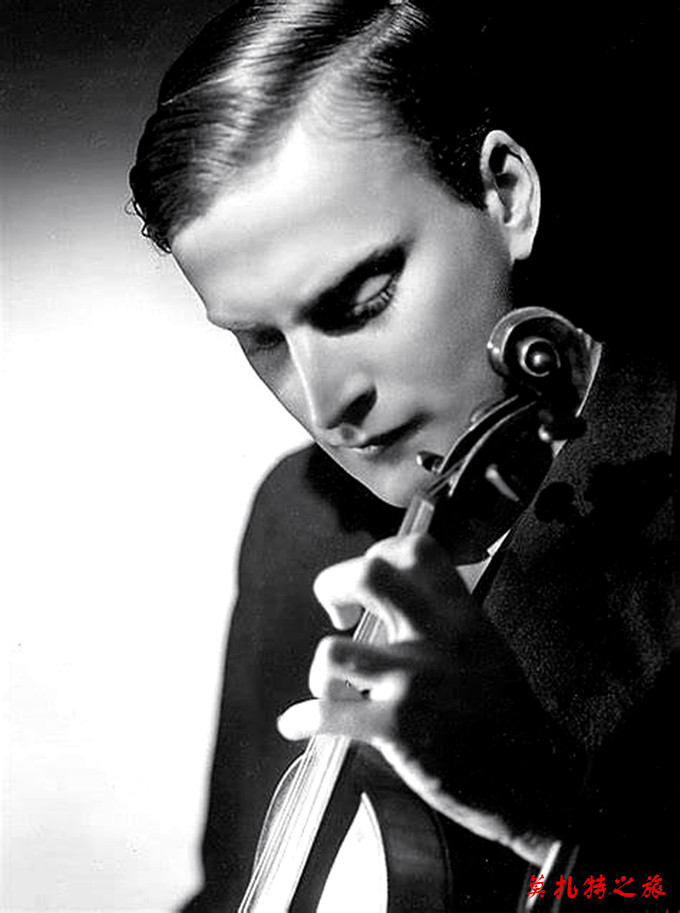
很少有哪一位小提琴家能比年轻的耶胡迪·梅纽因对音乐世界有更大的影响了。在他的手指有足够的力量为小提琴调音之前,他的名字已经在国际上广为传播。当1978年6月26日为庆祝他舞台生涯五十周年在费城举行音乐会时,詹姆斯·费尔顿在《晚报》上写道: 他看上去的确是一位永不衰老的人,永远谦虚,而且仍然是一位避免炫耀技术,力求挖掘旋律之美的高雅小提琴家。他没有像许多小提琴家那样把小提琴的标准音有意地调高一点,以便使自己的声音更突出。他并没有拼命用力地运弓,以便把自己的热情狂热化。他选择演奏门德尔松的小提琴协奏曲是非常适合的……梅纽因把这首乐曲处理得文雅、亲切,有时面带一点微笑,似乎表明他与他的小提琴是亲密的伙伴......他也没有以炫技的手法来演奏协奏曲的华彩乐段,而是经过认真思考后把它处理成与整首协奏曲总的抒情情性相一致。这是一场很得体的演出。而且梅纽因还特别坚持与舞台上所有的演奏员一起共同分享听众们的掌声,就好像他们刚才一起演奏的是室内一样。 耶胡迪·梅纽因(Yehudi Menuhin,1916年4月22日-1999年3月12日),美国小提琴家,犹太人。7岁在其师帕辛格指挥的旧金山交响乐队伴奏下演出拉罗《西班牙交响曲》,被誉为“神童”。曾在纽约交响乐队伴奏下演出贝多芬小提琴家的行列。与欧洲、美国的主要交响乐队伴奏下演出贝多芬小提琴协奏曲,此后在卡内基大厅举行独奏会,从而进入世界著名小提琴家的行列。战后访问过苏联、以色列、日本、印度,对东西方文化交流起过一定作用。七十年代出版了他的自传《未完的历程》。他的演奏具有辉煌的技巧、独特的气质和动人的魅力。 |
||||||||||||||||||
 |
||||||||||||||||||
|
||||||||||||||||||
|
He does seem to be
a man who never grows old, always modest, and still an elegant violinist
who avoids showmanship and seeks to tap into melodic beauty.He did not
deliberately raise the standard note of the violin, as many violinists
do, to make his voice more prominent.He did not bend his bow as hard as
he could to turn his enthusiasm into enthusiasm.His choice of playing
Mendelssohn's violin concerto was very fitting...Menuhin handled the
music in a gentle and friendly way, sometimes with a smile, as if he and
his violin were intimate companions...He also did not play the
concerto's cadenza in a showy way, but rather, after careful
consideration, processed it into something consistent with the overall
lyricism of the concerto.It was a decent performance.Menuhin also made a
point of sharing the audience's applause with all the players on the
stage, as if they had been playing together indoors. Yehudi Menuhin (22 April 1916 -- 12 March 1999) was an American violinist and Jew.At the age of seven, she was praised as a "child prodigy" when she performed raro's "Spanish symphony" with the San Francisco symphony orchestra under the direction of her division passinger.Performed as a Beethoven violinist with the New York symphony orchestra.Performing Beethoven's violin concerto with major orchestras from Europe and the United States, followed by a recital at Carnegie Hall, he entered the ranks of the world's most famous violinists.After the war, he visited the Soviet union, Israel, Japan and India, which played a certain role in the cultural exchanges between the east and the west.In the 1970s he published his autobiography, the unfinished journey.His performance has brilliant skill, unique temperament and moving charm. |
||||||||||||||||||
 |
||||||||||||||||||
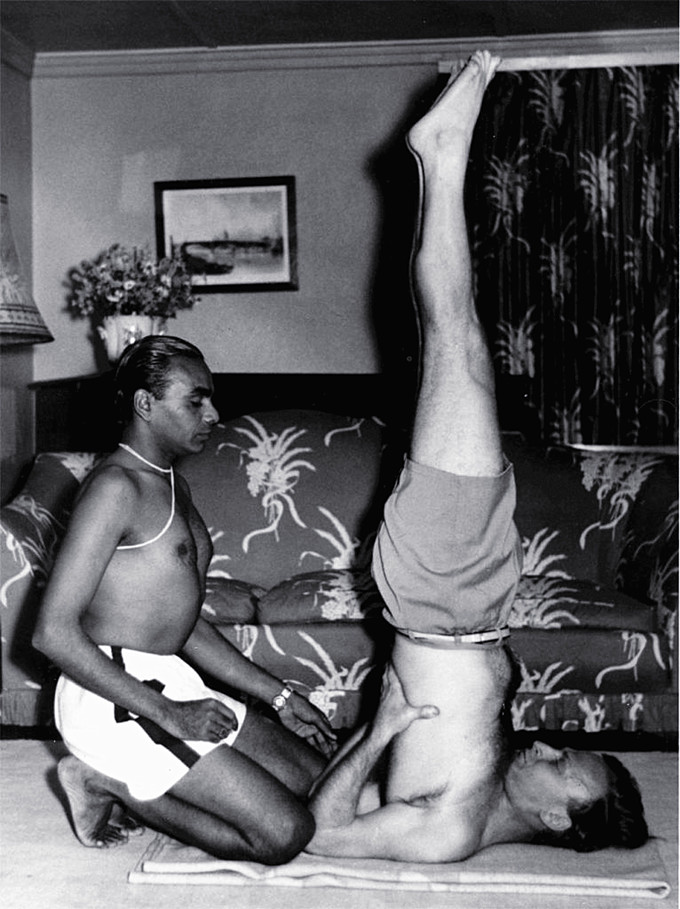
| 印度瑜伽大师埃因嘎(B. K. S. Iyengar)在指导梅纽因训练 | ||||||||||||||||||
| 50年代后期,梅纽因因为练琴方法不当,职业病开始发作,曾因此中断了几次演出,正是运用了后来瑜伽功的练习,对他的身体的恢复受益匪浅,使他不但重返舞台,而且功力不但不减,而且还练习了一身绝技。 | ||||||||||||||||||
| In the late 1950s, menueuw interrupted several performances due to the onset of occupational diseases caused by excessive fatigue of practicing the piano. It was the use of the later yoga exercises that benefited his physical recovery and enabled him to not only return to the stage, but also to practice his unique skills. | ||||||||||||||||||
 |
||||||||||||||||||
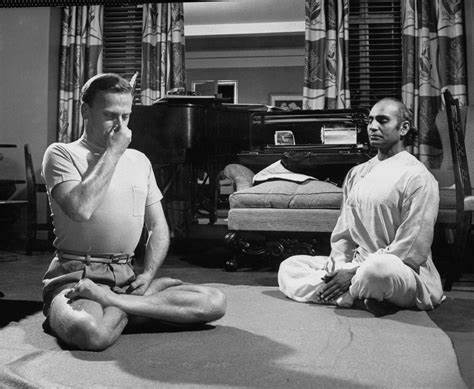
| 印度瑜伽大师埃因嘎(B. K. S. Iyengar)在指导梅纽因训练 瑜伽和冥想 | ||||||||||||||||||
| 印度瑜伽大师埃因嘎(B. K. S. Iyengar)在指导梅纽因训练 瑜伽和冥想;印度的西塔尔琴大师拉维·香卡也曾经说过:“我们应该以干净的神经系统来欣赏音乐,而如果我们想扩大思维,我们应该通过冥想和瑜伽来做到”。 | ||||||||||||||||||
| B. K. S. Iyengar, the Indian yoga master, instructs Menuhin in yoga and meditation;The Indian sitar guru Ravi Shankar also once said, "We should enjoy music with a clean nervous system, and if we want to broaden our mind, we should do so through meditation and yoga." | ||||||||||||||||||
 |
||||||||||||||||||
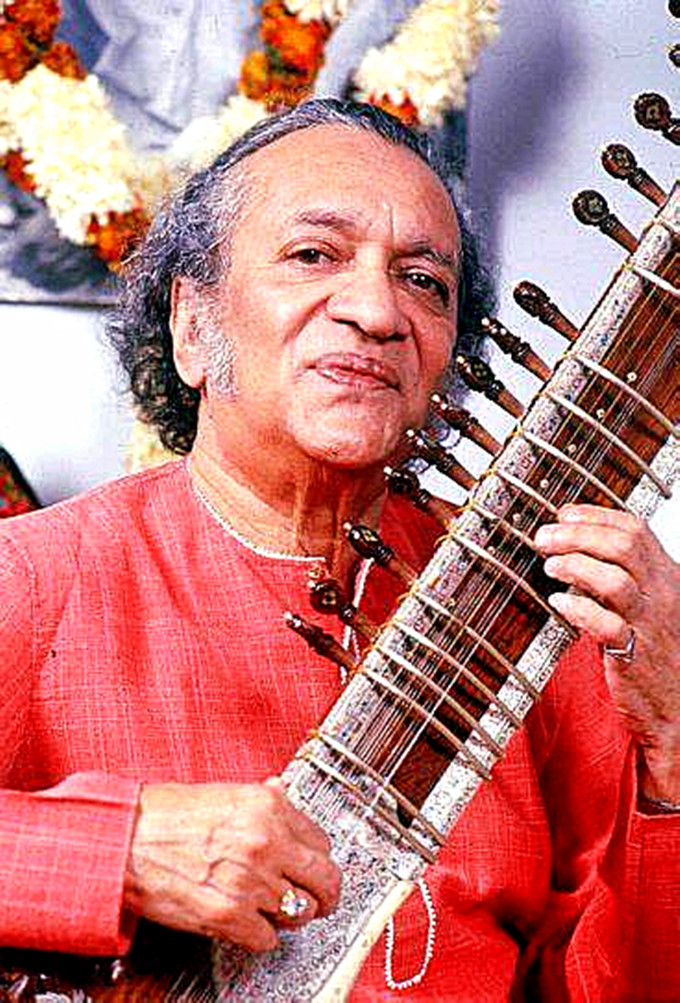
| 晚年的拉维·香卡(Ravi Shankar )仍然执著音乐演奏,最后一次演奏会是2012年11月4日,他与女儿安努什卡在加州长滩演奏,演奏会后的第七天,拉维·香卡永远的离开了他无比热爱的这个世界。 | ||||||||||||||||||
| 评论家对拉维·香卡的评述 | ||||||||||||||||||
|
拉维·香卡的音乐是集民族性、传统性与融合性为一体的音乐。在半个多世纪的世界巡回演艺生涯中,他不仅把印度民族精神和民族文化渗透于自己无数次的艺术活动之中,而且还把印度传统音乐推向了世界。印度总理尼赫鲁曾公开表示:“年轻的拉维·香卡正在做一件好事,他作为‘文化大使’通过音乐向西方展现印度。”时至今日,他虽已年近九旬高龄,但仍然活跃在世界音乐舞台上,他是印度音乐杰出的继承者、阐释者、传播者。 作为学生,他在自己父亲般的恩师印度著名音乐家阿拉乌汀·汗的倾心教导下,度过了七年的“学徒生涯”。老师所给予他的无数教诲,让他终身难忘。以他自己在电影《拉格》(1968年)中所说:“在我们音乐的世界里,永远不能说已完成了学习,因为向老师学习的过程是永无止境的。” 作为演奏家,他以自己卓越的演出实践,使西塔尔琴这一古老的印度乐器在国际舞台上占有一席之地。他精湛的演技、高度的修养和完全投入音乐的精神使观众为之倾倒。他是世界音乐舞台上最伟大的演奏家之一。 作为作曲家,他的创作涉及多种体裁。包括民族器乐、舞蹈、电影、爱国歌曲,以及用印度民族乐器与西洋管弦乐合作的音乐等。在他创作的背后,包含着他对传统古典音乐所积蕴的深厚造诣,体现出他在西方文化影响下进行文化融合的创新探索。他的音乐不失印度音乐的传统性、民族性和纯洁性,他是世界音乐最卓越的实践者之一。 作为教育家,他努力地教授印度音乐。20世纪60年代起,他先后在孟买和洛杉矶创办自己的学校——金纳拉(Kinnara)音乐学校。他是一个具有幽默感、亲切而有热情的老师,在和学生的交流中,他无拘无束,和蔼体贴,他无微不至的关心是学生们永远都不会忘记的,他是印度最优秀的“古儒”(Guru,印度对老师的称谓)之一。 作为音乐家,香卡出版了大量的唱片、磁带、CD、VCD等,1968年和2000年两次拍摄自传体电影《拉格》和《拉维·香卡在两个世界之间》。英国BBC于世纪之交的2000年特别推出一套《拉维·香卡肖像》,这些无疑都是世界音乐文化发展史上珍贵的史料。 作为成功者,拉维·香卡获得了无数的奖项与荣誉。 20世纪50年代为电影《椅子的故事》制作的音乐在威尼斯电影节上获得了特别奖。 60年代,由于他对印度音乐和文化做出了突出贡献,获得“印度总统奖”,他和梅纽因合作的唱片《东西方相遇》获格莱美音乐奖。 70年代,他的专辑《为孟加拉国人举行的音乐会》荣获“金碟奖”。 80年代,为电影《圣雄甘地》配乐荣获奥斯卡提名;为电影《卡布里瓦拉》(Kabuliwala)配乐获得柏林电影节银熊奖;1986至1992年他成为印度国会上议院成员。 90年代,在新德里荣获“自由精神奖”;在瑞典获“地球大使”水晶奖。 在20世纪中,他前后荣获14个荣誉博士学位。 进入21世纪以来,他再获法国“最高平民奖”、英国“荣誉爵士”、美国加利福尼亚州立大学艺术博士,2002年他第三次获格莱美音乐金碟奖。他是最成功的印度音乐家之一。 作为普通人,他是一个诚实、智慧、有思想、幽默、有灵感并乐观的传奇式人物。他的女儿安努什卡在自己的书中写到:“爸爸是一个近乎完美的人——天才、演奏家、作曲家、教育家、慈善家……面对这些他总是那么的不以为然,这正是他最伟大的品质之所在。” 从1930年至2005年,拉维·香卡举办了近千场的音乐会,参加了不计其数的世界音乐文化交流活动,与东西方的音乐家共同创作、表演、研讨、沟通,架起世界音乐交流之桥梁。系统而深入地研究拉维,香卡的艺术生涯和艺术成就,不仅让人们更加认识印度音乐、认识拉维·香卡,而且对如何保持中国的传统音乐、如何在世界上进一步弘扬中国音乐文化具有借鉴意义。 |
||||||||||||||||||
|
|
||||||||||||||||||
 |
||||||||||||||||||
| 拉维·香卡(Ravi Shankar )演奏时永远是陶醉在印度古典音乐里 | ||||||||||||||||||
| 拉维·香卡大师与中国 | ||||||||||||||||||
| 中央音乐学院陈自明教授曾于1982年6月在《乐器》杂志发表一篇《西塔尔琴与拉维·香卡》的文章。可以说,这是中国第一篇专门介绍香卡的文章。1983年拉维·香卡访问中国,在北京和上海分别举行了演出和讲学。针对这次访华,陈自明在1984年第1期《人民音乐》上再次发表文章《拉维·香卡——来自印度的音乐使者》。他在文中写道:“拉维·香卡在中央音乐学院的讲学也是十分成功的,他以朴实无华的语言向听众解释了印度古典音乐的两大支柱——‘拉格’和‘塔拉’,并且以自己的歌声和乐器介绍了‘拉格’的实例。接着他又同鼓手米什拉先生合作,用拟声语和鼓声的实例介绍了‘塔拉’。最后他还亲自教大家练习印度的各种‘塔拉’,取得了很好的效果。”“他也期待在不久的将来能用西塔尔与中国民族乐器进行合作,从而促成一次‘东方(音乐)与东方(音乐)的相遇’。”至此,中国音乐界才有更多的学者开始了解这位著名的印度西塔尔琴演奏大师。虽然关注度有所增加,但拉维·香卡的中文资料仍旧不足,只是在一些书籍或教材中有少量的介绍和评述,缺乏深入的分析和全方位的论述,专题性的研究则更是一项空白。 | ||||||||||||||||||
| Professor Chen Ziming of The Central Conservatory of Music published an article "Sitar and Ravi Shankar" in The magazine Musical Instruments in June 1982.It can be said that this is the first article in China devoted to Shanka.In 1983, Ravi Shankar visited China and gave performances and lectures in Beijing and Shanghai respectively.In response to his visit to China, Chen published his article Ravi Shankar -- A Musical Messenger from India in the first issue of People's Music in 1984."Ravi Shankar's lectures at the Central Conservatory of Music were also very successful," he wrote. "He explained to the audience the two pillars of Classical Indian music, the Raga and the Tala, in plain language, and introduced the examples of the Raga with his own voice and instruments.Then, in collaboration with Mr. Mishra, the drummer, he introduced 'Tara' with examples of onomatopoeia and drumbeat.In the end, he himself taught the various Indian 'talas', with good results.""He also looks forward to using Sitar to collaborate with Chinese folk instruments in the near future, thus facilitating an 'East meets East'."At this point, more scholars in The Chinese music industry began to understand the famous Indian Sitar maestro.Despite the increased attention, ravi Shankar's Chinese materials are still insufficient, with only a few introductions and comments in some books or textbooks, lacking in-depth analysis and comprehensive discussion, and the thematic research is even a blank. | ||||||||||||||||||
 |
||||||||||||||||||
| 伦纳德·伯恩斯坦(Leonard Bernstein,1918年8月25日~1990年10月14日),出生于马萨诸塞州劳伦斯,犹太裔美国指挥家、作曲家。1935年入哈佛大学,师从W.俾斯顿、EB.希尔学习作曲,1939年毕业。后入费城柯蒂斯音乐学院学习指挥。1941年任波士顿交响乐团助理指挥。师从布鲁诺·瓦尔特。荣获“桂冠指挥家”的称号。1958年成为纽约爱乐乐团有史以来第一位土生土长的音乐总监。1990年10月14日,伯恩斯坦在纽约去世 。 | ||||||||||||||||||
|
在网飞公司新推出的电影《大师》中,20
世纪的作曲家兼指挥家伦纳德·伯恩斯坦以一种充满活力的自然力量形象呈现出来——一位改变了世界的天才,但又饱受自身欲望的折磨。 伯恩斯坦的内心世界究竟如何?为了更好地理解,MedPage Today 采访了纽约市的精神病学家兼音乐会钢琴家理查德·科根博士,他也是纽约市威尔康奈尔音乐与医学项目的艺术总监。 科根曾就伯恩斯坦的思维和音乐发表过演讲 在一次采访中,他谈到了这位音乐大师复杂的精神世界、精神疾病与天才之间的相互作用,以及医学可能对他产生的帮助作用。 莱昂纳德·伯恩斯坦是个什么样的人呢? 他生来就具有心理健康专业人士所称的“过度情绪型”性格——热情洋溢、精力充沛、外向、乐于交际且永不疲倦。 这种性格在他的音乐生涯中既有好处也有弊端。作为指挥家,它是一大优势:他每次演出时都能可靠地进入狂喜状态,他个人的魅力令观众为之倾倒。 但作为作曲家,这就成了一个难题。创作一首交响乐本质上是一项孤独的活动,而伯恩斯坦难以忍受独处。他还饱受沮丧情绪的困扰,尤其是在他生命的最后十年,那时他难以创作,并且还要应对妻子去世的打击 |
||||||||||||||||||
 |
||||||||||||||||||
|
In the new Netflix movie "Maestro," the 20th-century composer and
conductor Leonard Bernstein comes alive as a high-energy force of nature
-- a genius who transforms the world but is tortured by his desires. What was going on inside Bernstein's head? For perspective, MedPage Today turned to New York City psychiatrist and concert pianist Richard Kogan, MD, artistic director of the Weill Cornell Music and Medicine Program in New York City. Kogan, who has lectured on Bernstein's mind and music, spoke in an interview about the master musician's complex inner life, the interactions between mental illness and genius, and the ways medicine could have helped him. What was Leonard Bernstein like? He was born with what mental health professionals call a hyperthymic temperament -- exuberant, energetic, extroverted, indefatigably sociable. This temperament was a mixed blessing in his musical career. As a conductor, it was an asset: He could reliably access ecstatic states whenever he performed, and his personal magnetism was thrilling to audiences. But as a composer, it was a hardship. Composing a symphony is fundamentally a solitary activity, and Bernstein had trouble tolerating being alone. He also grappled with feelings of despondency, particularly in the last decade of his life when he struggled to compose and coped with the death of his wife. |
||||||||||||||||||
|
|
||||||||||||||||||
|
Today in the
history of music Indian music legend Ravi Shankar died on December 11, 2012 in California, US, at the age of 92. Ravi Shankar (April 07, 1920.07-December 11, 2012) The most admired great messenger of Indian music, godfather of Indian classical music, master of Sidar, "teacher of Famous Beatles guitarist George Harrison and father of jazz star Norah Jones", but this is not his true glory. In fact, as early as half a century ago, he was regarded as a generation of Sitar master, the great messenger of Indian music and culture, and immortal musician of the world. In terms of playing the Sitar, India's most traditional and complex instrument with the most mysterious sound, the world was no better. RaviShankar -- the father of the famous jazz musician Norah Jones and the teacher of the famous Beatles guitarist George Harrison -- was born in the northeastern Indian city of Varanaci (formerly known as Benaras) in 1920 to a Brahmanic family. His brother UdayShankar was a famous Indian dancer. At the age of 10, ravi was exposed to Western music by performing in the West with an Indian dance troupe, and later studied Indian classical music under the guru, ustadal-Laudinkhan, a famous Indian performer, composer and guru. Ravi began his playing career in the 1940s, hosted the All India Radio band from 1949 to 1956, and produced a lot of music. After 1956, Ravi began to tour Europe and the United States with great success, during which he also established an Indian music school in Los Angeles. Ancient and mysterious Indian music through ravi's introduction into the European and American common people. After the Beatles invited Ravi to perform together in 1960, the western rock generation took guitar playing to a new level by drawing on its unique sitar playing techniques. Ravi's performance of the Sitar is a bold innovation based on the inheritance of traditional playing skills. It is he who rejuvenates the old musical instrument of the Sitar. Indian music legend Ravi Shankar died on December 11, 2012 in California, US, at the age of 92. [1]2 Career editor After living in international fame in the 1960s, became an ambassador for Indian music and culture. But only a few listeners could grasp the richness of the work of the 81-year-old modern musician. Ravi Shankar's musical talents were evident as early as his youth, when he made his way on to the world stage, from the Carnegie Hall in New York to the Champs-Elysees in Paris, where he worked as a dancer and musician in a variety of troupes. The family had already won the admiration and admiration of great artists, including the Russian ballerina Anna Pavlova and the Irish writer James Joyce. Ravi Shankar and his family lived long enough in Europe and the United States to become familiar with the likes of Jessica Heyfetz, Arturo Toscanini, Pablo Casals, Duke Ellington, Louis Armstrong and Cabo Carloway. Perhaps an early upbringing in art, combined with ravi Shankar's prodigious musical talent, insatiable passion for learning and natural thirst for knowledge, made Panditji (" the Venerable Master ", as he was often called) an exceptional musician-scientist as well as an exceptional one. With his series of appearances at Woodstock and Monterey festivals, and his work with the Beatles (especially George Harrison), countless musicians have seen Ravi Shankar as a contact for the world beyond the European and American artists. There is no doubt that the pilgrim has exposed the classical music of North India to the ears of many people who have never heard of any other kind of music. He has also used his extraordinary talent and fame to combine seemingly unrelated musical elements from all over the world. Using melodies and rhythms as raw materials, Shankar creates a bridge between the thin air of the concert hall and everyday life. He takes the form and influence of music and uses experimental elements to express and depict the most universal and powerful human emotions in the world -- joy, desire, sorrow, devotion, hope and love. Three of Shankar's most influential cross-cultural works were recorded under independent labels: In the Kremlin (1978), Passage (1990), which he collaborated with composer Philip Glass, and Body and Mind (1990), recorded by his friend and student George Harrison. Inspired by recording technology development, incense stuck in Tanamana (" body and mind ") in the record, the north Indian ancient musical instrument west tal harp, such a pipa nou for piano and blah hand drum tower are there any other south Indian Musical Instruments together, cooperate with the keyboard and synthesizer electronic music elements, created like his other record of successful works. It was recorded by him in collaboration with his friend and student George Harrison, who played the electric harp and synthesizer. Shankar's younger sister lakshmi Shankar, one of India's best and most popular singers, helped shankar with her heavenly voice. His younger son Shubho also sings and plays the Sitar on the record. He has so many things going for him: great ambassador of Indian music, godfather of Indian classical music, Master of the Sithar, mentor to Beatles guitarist George Harrison, three Grammy Awards and one Oscar nomination for best Music, Member of the Upper House of India, philanthropist, writer... Shankar has won three Grammy Awards and been nominated for an Oscar for the score to the film Mahatma Gandhi. He has also been awarded the Order of the State of India, The Special Award of the Venice Film Festival, the Silver Bear Award of the Berlin Film Festival, the Highest Civilian Award of France, the Honorary Knight of the United Kingdom, and has 15 honorary doctorates. West tal jean The Sitar is a traditional musical instrument in northern India. It is about 90 cm long. Its sound box is made of a large gourd with a mahogany panel. West tal jean usually has about 20, 18 to 20 strings, in one of the seven main strings, have 4 to play the melody with strings, tuning C, G, C, f, the other 3 for the tonic chord bass strings, to highlight the music rhythm and tone quality in the arch below there are 11-13 parallel resonance string, the root and the string when playing the resonance and a natural overtone string with the string change. It is not difficult to see that the Sitar is so complex in structure that it is much more difficult to play than any string instrument in the East or the West. However, Sithar is a great instrument in the treasure house of human music because of its soft color, highly developed playing skills and rich and varied techniques of expression, which enable it not only to step out of the slow and melodious lyric melody, but also to play the fast and dynamic dance rhythm. Ravi Shankar has been an artist for more than 70 years. He has made great achievements in performance, creation and theory. He has published a large number of CDS, VCDS and DVDS, and created dozens of raga songs with different styles, as well as a large number of film music and dance music. Both his unique playing personality and his creative style of seeking novelty and change have exerted an important influence on the development of Indian music. Today's video: 1. Sitar master Ravi Shankar playing Indian classical music Raag Khamaj; 2. Ravi Shankar, a national treasure of India, and Aralaka jointly explained and demonstrated the Gongs and drums of South Asia; 3. Menuin played Indian classical music with Ravi Shankar; 4. Documentary of Ravi Shankar, the godfather of Indian classical music and master of sitar (1970). |
||||||||||||||||||
|
|
||||||||||||||||||
|
【塔布拉鼓独奏】印度国宝级大师拉维·香卡与阿拉拉卡共同解说及示范南亚锣鼓经,當年非常有名的一个桥段了 Jhaptal(十拍子节奏模式) |
||||||||||||||||||
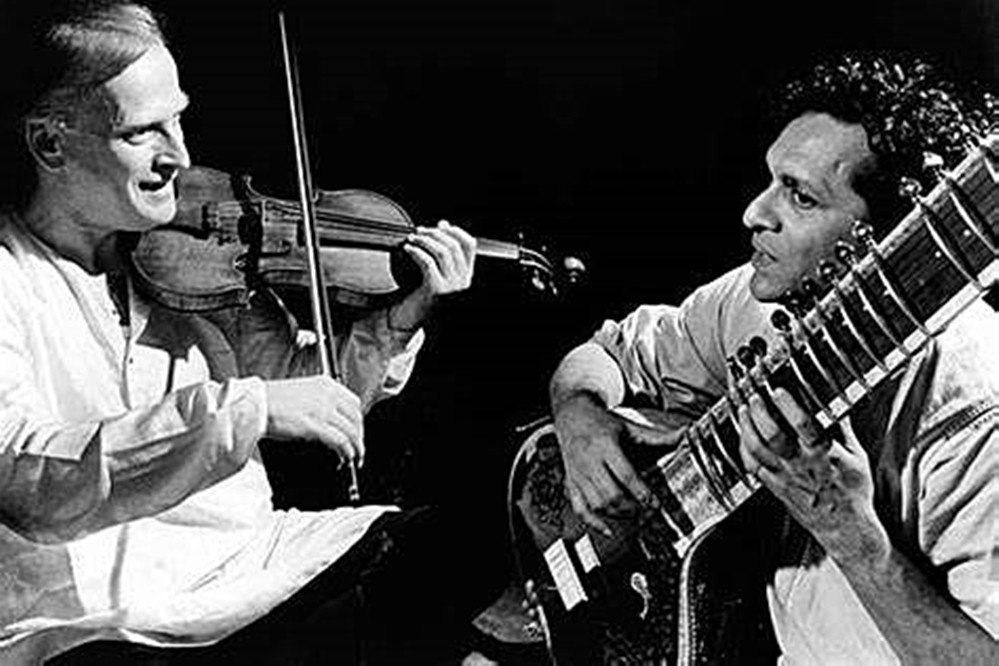
| 梅纽因与拉维·香卡合作演奏印度古典音乐 | ||||||||||||||||||
| 印度古典音乐中最具有魅力的就是西塔尔。大约18世纪左右传入北印度。瑠特类拨奏弦鸣乐器,琴身共鸣箱呈葫芦状。是长颈弹拨乐器,长90厘米,红褐色琴体,其共鸣箱为一个镶上了薄木板的大葫芦。有7根弦,4根演奏主旋律、3根是共鸣箱。另外有20根辅助共鸣弦与主旋律平行。大约有20品。演奏时有丰富的音色变化和技巧,重视装饰音和滑音的运用。 | ||||||||||||||||||
| The most charming piece of Indian classical music is Sitar. It was introduced to northern India around the 18th century. The Rute is a plucked stringed instrument with a gourd-shaped resonator box on its body. It is a long-necked plucked instrument, 90 centimeters long, with a reddish-brown body. Its resonator is a large gourd inlaid with thin wooden boards. There are 7 strings, 4 of which play the main melody and 3 are resonators. In addition, there are 20 auxiliary resonant strings parallel to the main melody. There are approximately 20 items. When performing, there are rich variations in timbre and techniques, with an emphasis on the application of ornamental notes and glissandos. | ||||||||||||||||||
| 印度古典音乐教父——西塔琴大师拉维·香卡的纪录片(1970) | ||||||||||||||||||
| 西塔琴大师Ravi Shankar,1970的音乐纪录片 | ||||||||||||||||||
|
|
||||||||||||||||||
| 未得原作者编者授权严禁转载www.mt77.com任何内容 | ||||||||||||||||||



|
|
|
||||||
|
© 2003-2005 xilu.com all rights reserved. |
||||||
|
|
||||||

